Adapting with Technology and Grit
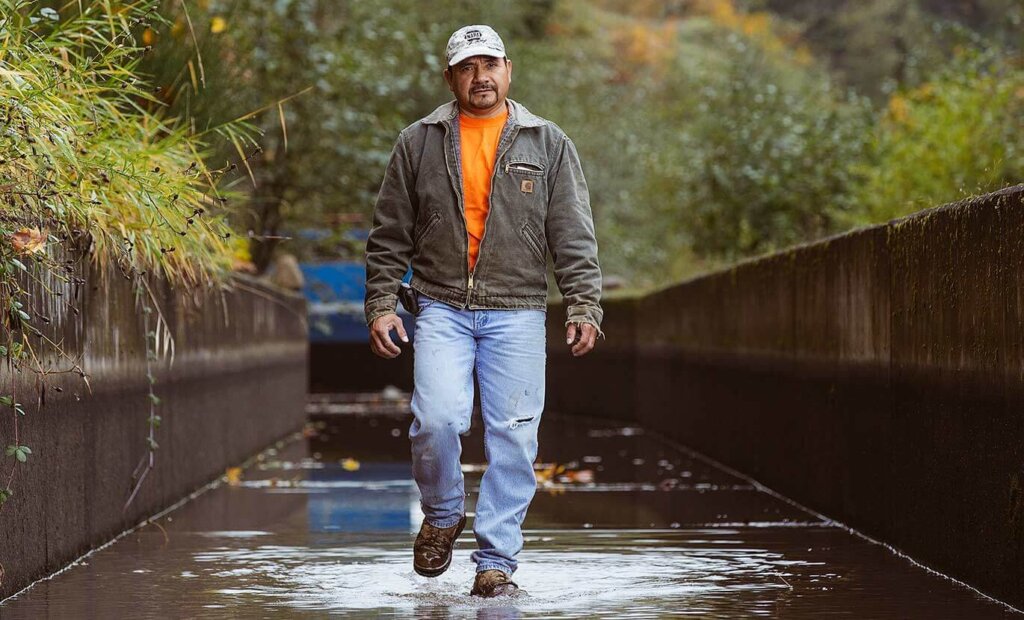
Horsefly Irrigation District Manager Justin Eary and his small staff are taking a hands-on approach to modernizing their district.
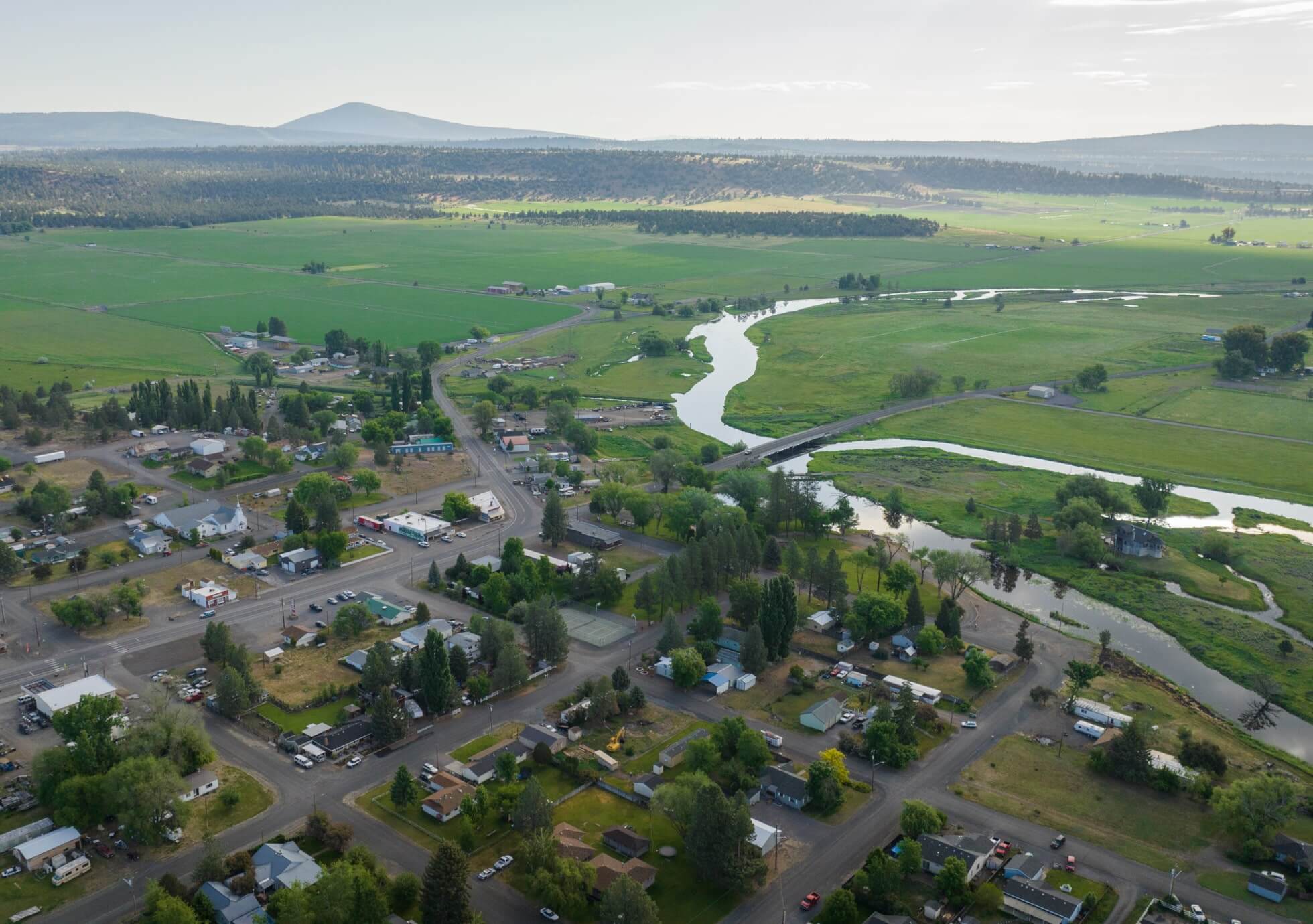
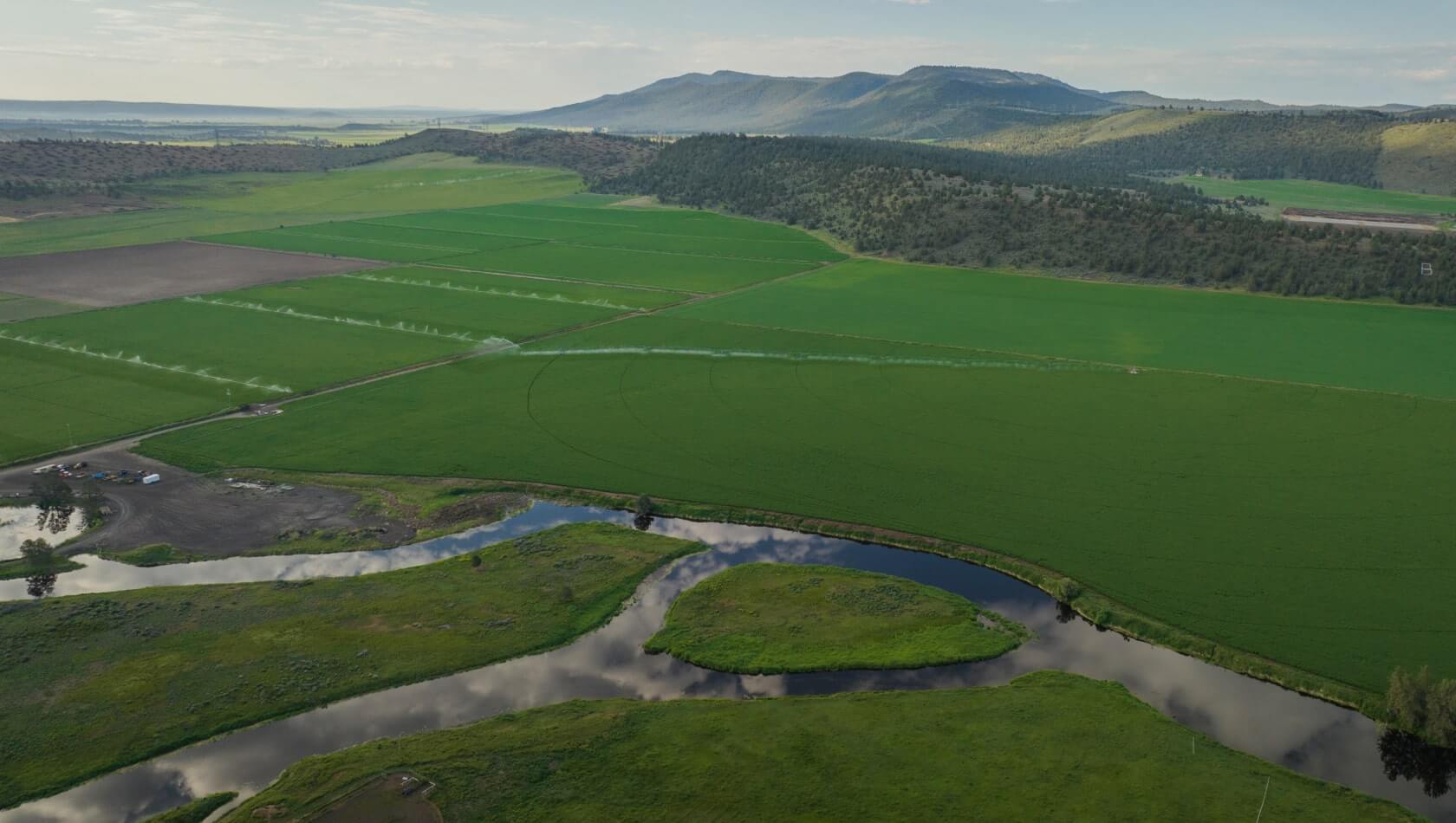
The Horsefly Irrigation District (HID) is on the far eastern edge of the Klamath Basin, the western edge of Oregon’s high desert. The district doesn’t get much rain. They rely instead on winter snowpack to recharge the Clear Lake and Gerber Reservoir. The porous basalt bedrock and sandy soils are good for groundwater recharge, but not necessarily for efficient water delivery via an open canal system originally constructed in the early 1900s.
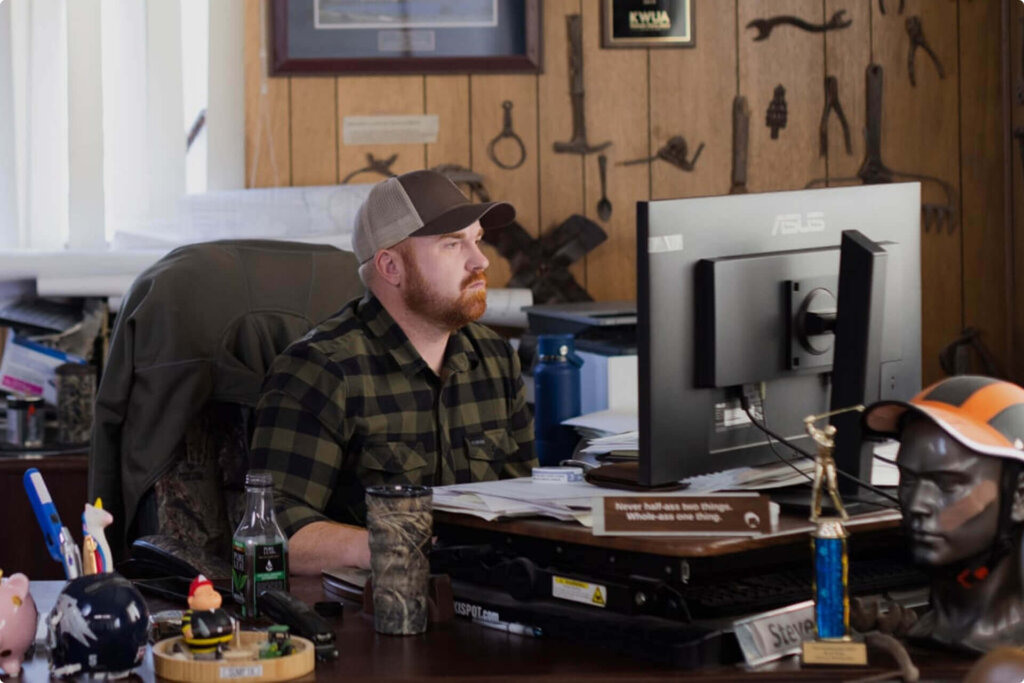
Eary, with his background in agriculture, forestry, and construction, is well-suited to lead the district’s modernization efforts. In fact, Eary originally began work with Horsefly as a contractor on a construction project. Six months later he was the District Manager, and he’s taken the leadership opportunity to implement modernization projects. He’s aiming to complete one piping project per year, most of which he does himself, supported by a lean crew and the district’s earth-moving equipment.
We’re always looking for ways to conserve water in those reservoirs so we can feel secure for the next year.
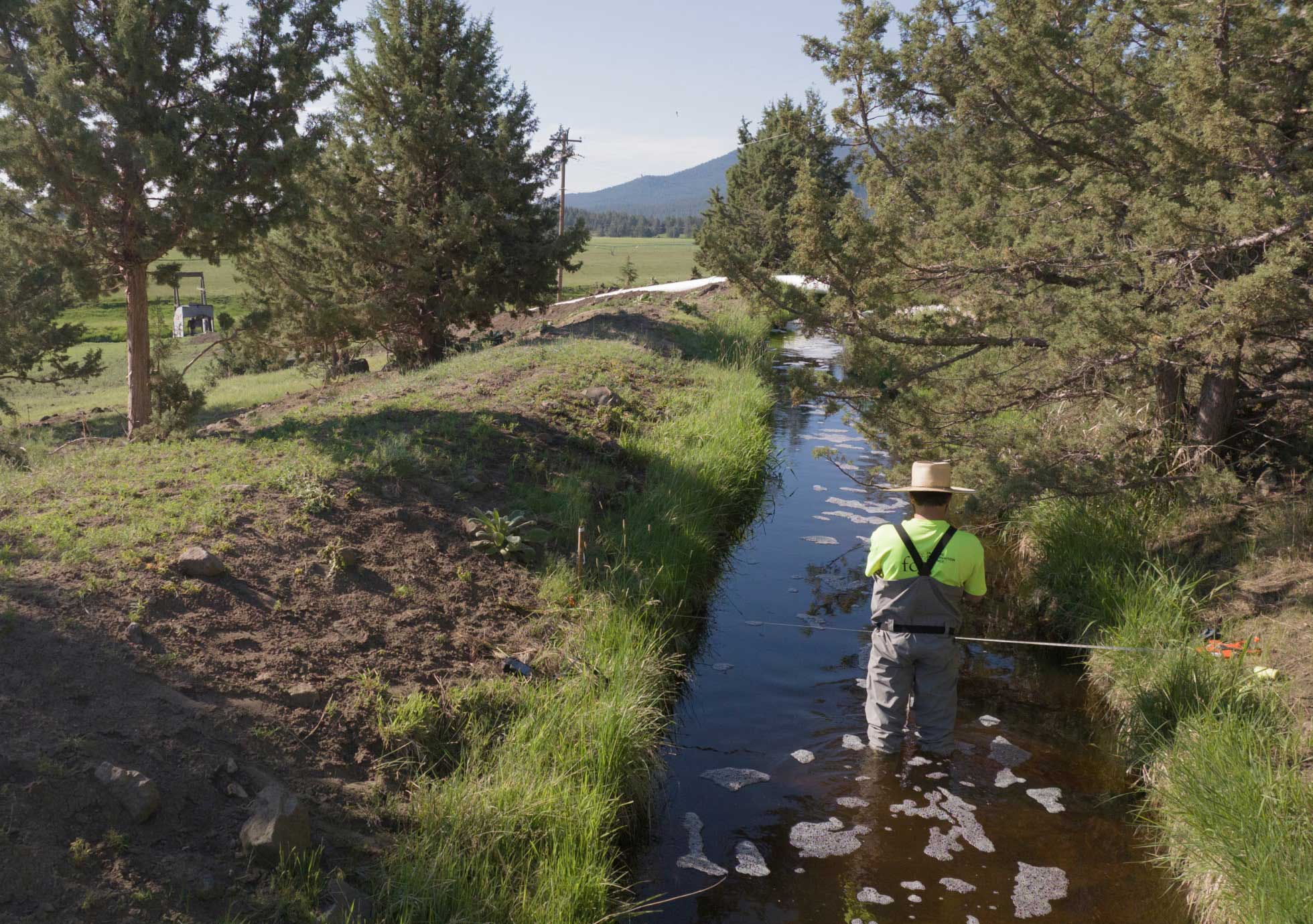
For mapping the district’s canals and laterals to estimate water delivery and modernization plans, Eary discovered the usefulness of the popular hunting app, onX.
“We were still writing out water orders on paper,” Eary says. “There was a lot of room for improvement, especially with new technology. Now we have the whole district mapped, color-coded for what’s been piped, what’s open ditch, where are our siphons, our pump stations, the district boundary. We’ve essentially digitized the district. We’re still not there, but we’re moving forward.”
Horsefly and its neighbor, the Langell Valley Irrigation District, play a vital role in the Lost River watershed. Full system modernization for Horsefly could come in a variety of forms, from modernizing conveyance to upgrading pumps in order to increase energy efficiency. Conserving water in the district’s reservoirs benefits wildlife, fish habitat and all water users upstream and downstream of Bonanza. Eary and his staff, with their methodical, DIY approach to long-term goals, are charting the best path possible toward modernizing a hydrologically complex district like Horsefly.
SCADA Changes the Game
Restoring the Hood River Watershed
Finding Common Ground