
Projects that improve water delivery in the West.
Featured current and ongoing projects.
Together with our partners, FCA supports modernization projects throughout the West that benefit irrigation, agriculture, and communities. Here is a sampling of our projects.
Derby Dam Farmers Screen
Farmers Irrigation District
Collbran Conservancy District
Central Oregon Irrigation District
Medford Irrigation District Floating Solar
2026
East Fork Irrigation District: Project Group 1: Eastside Service Area
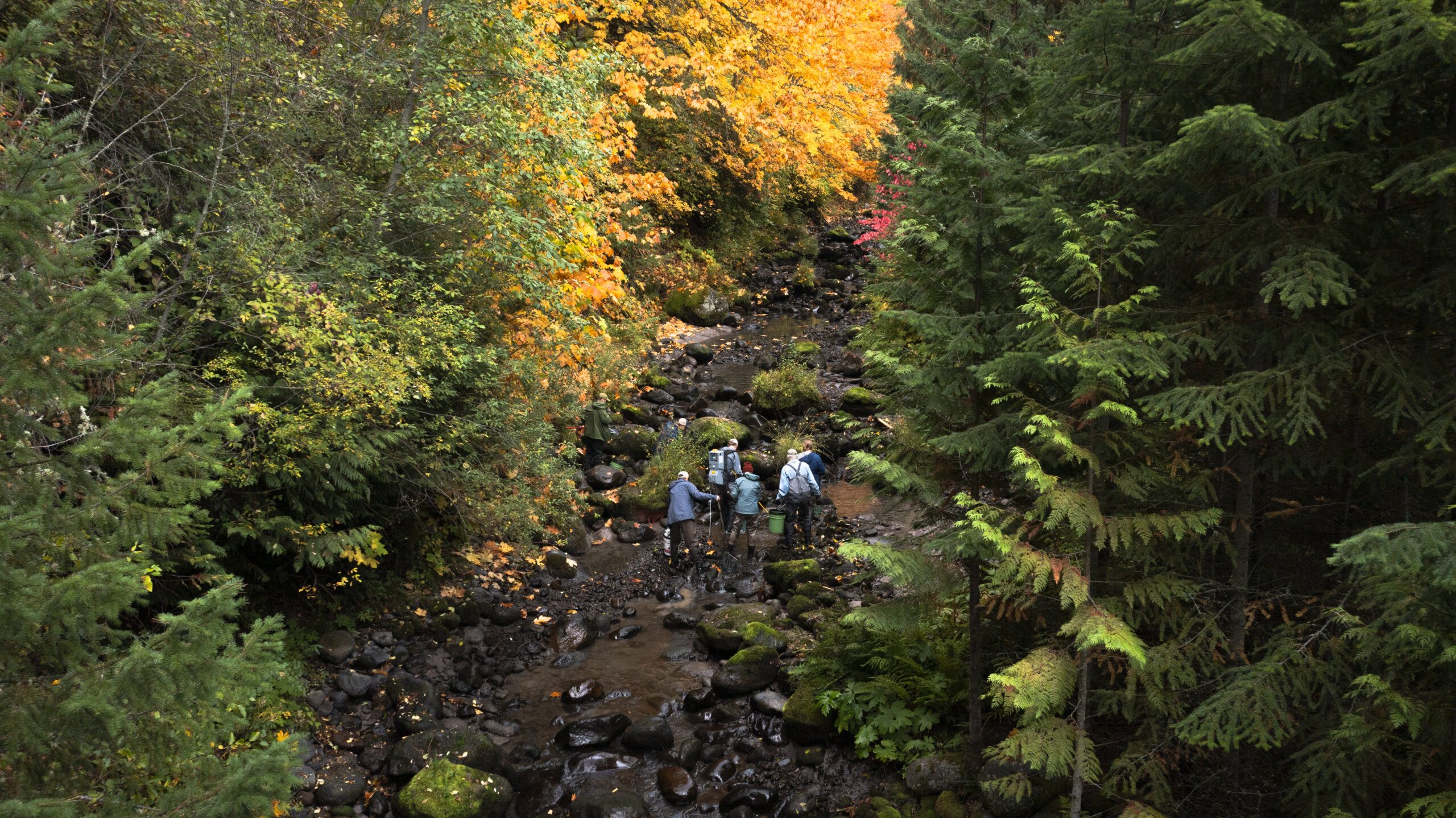
The proposed piping in the Eastside Service Area will save 4.6 cfs of water to benefit ESA-listed species in the Hood River and pressurization will conserve 600 MWh of energy annually. To manage increased pressures near the beginning of the Whiskey Creek Pipeline, six turnouts were relocated to ensure downstream patrons at higher elevations maintain adequate pressure. Once the Eastside Canal is converted to a pressurized pipeline, pressure-reducing valves will be required on many existing pipelines.
Lone Pine Irrigation District: Infrastructure Modernization Project
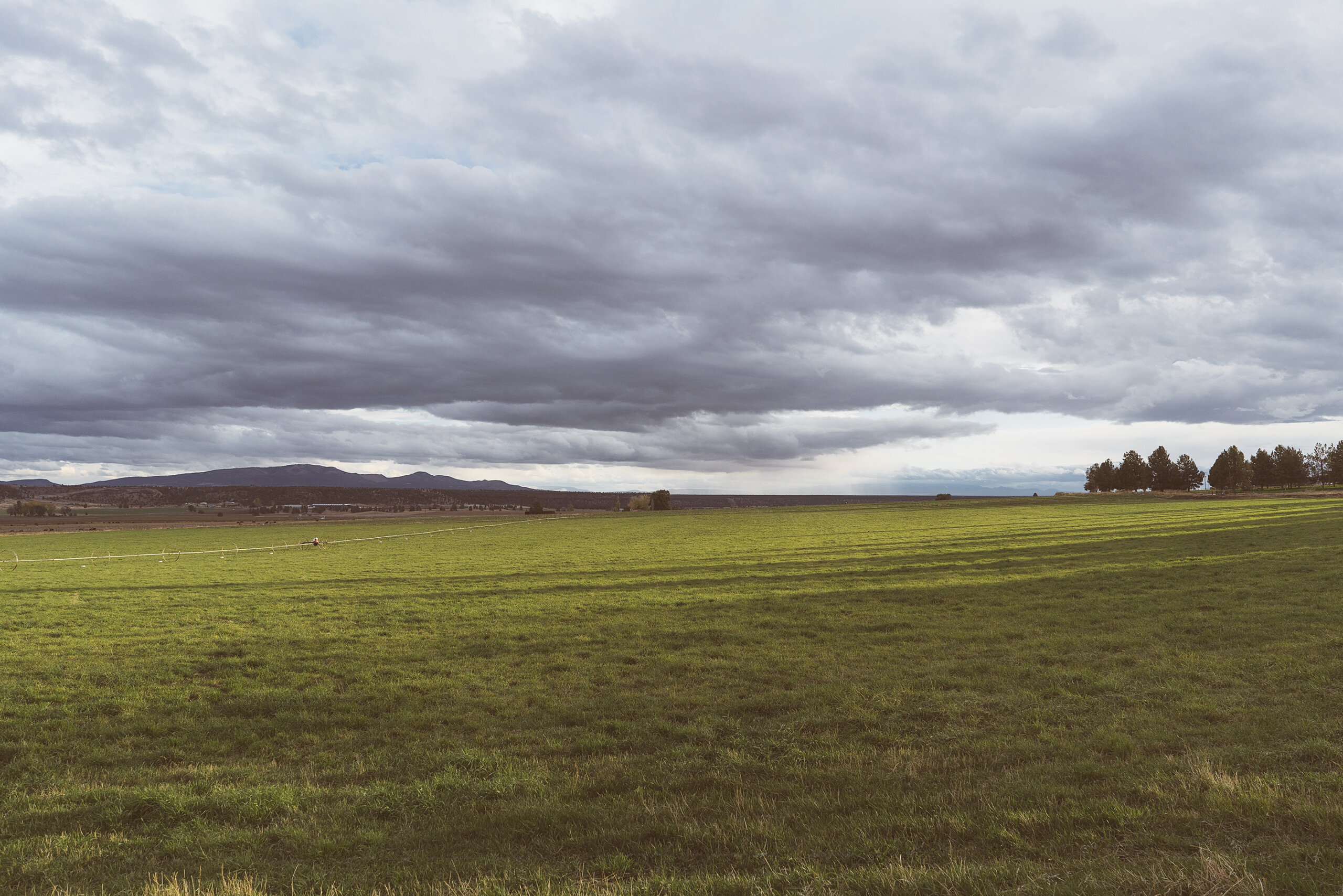
LPID would realign the current conveyance system with a 10.9-mile, gravity-pressurized pipe system. Included in the redesign is a proposed crossing of the Crooked River upstream from the antiquated suspension bridge crossing that is presently used. In addition, the District would decommission approximately 9.7 miles of the existing system and 45 turnouts would be upgraded to pressurized delivery systems, resulting in an estimated 4.4 cfs of water dedicated instream in the Deschutes River and $160,000 estimated savings in operations and maintenance costs for district and patrons.
Medford Irrigation District: Community Solar
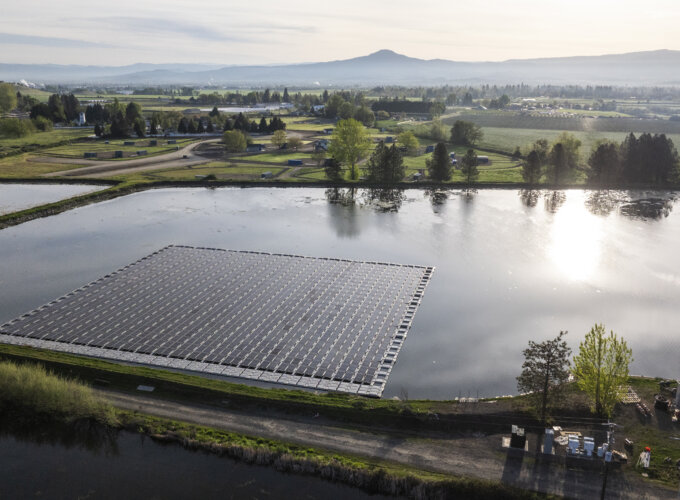
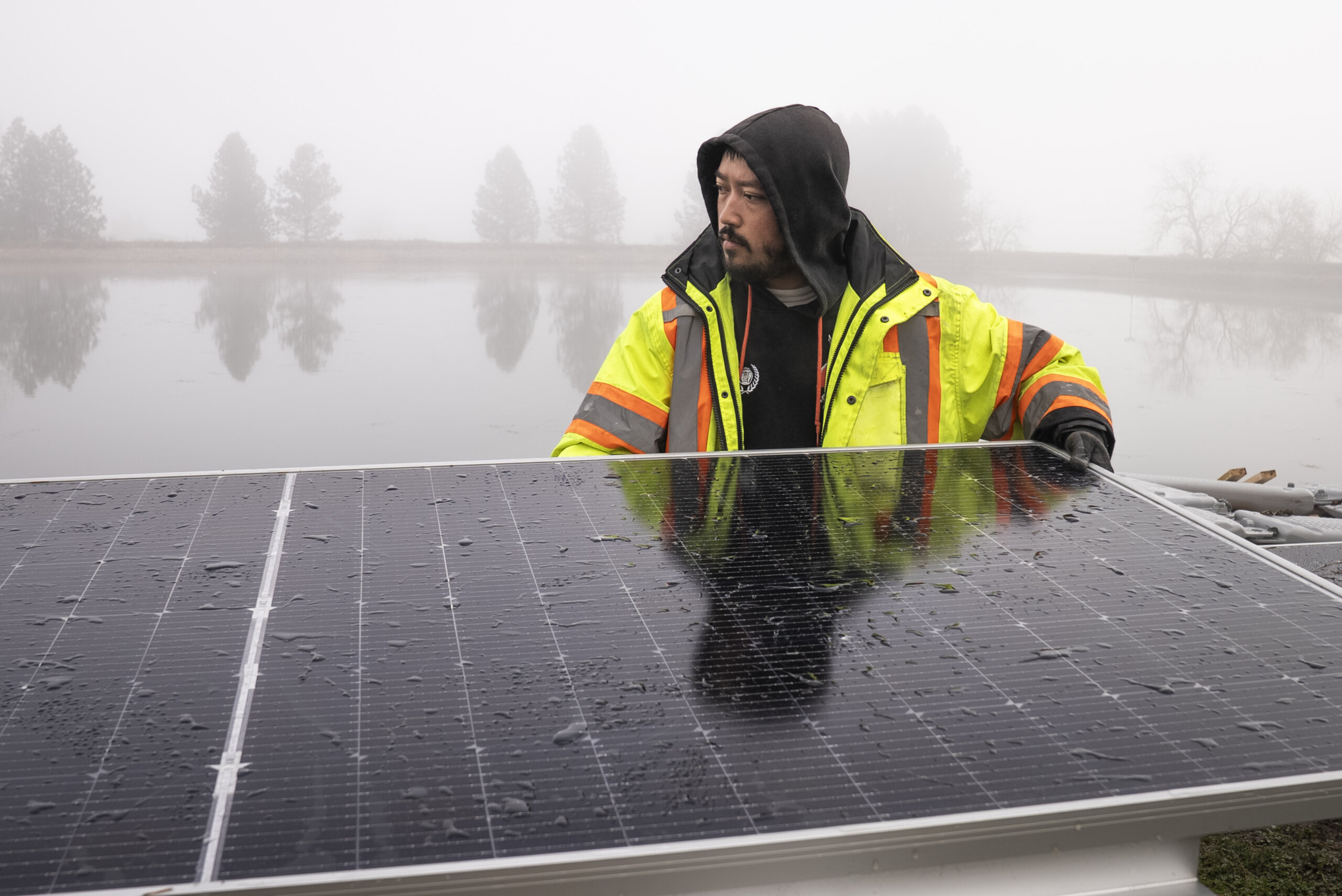
The 0.9 MW project will generate approximately 850 kWh of electricity annually. The project will also reduce aquatic weed growth and lower water temperatures, improving water quality and reducing operations and maintenance costs. 40% of the energy generated will be offered to local businesses and 60% to Jackson County residents through Oregon’s community solar program, with low-income subscribers receiving 50% savings.
2025
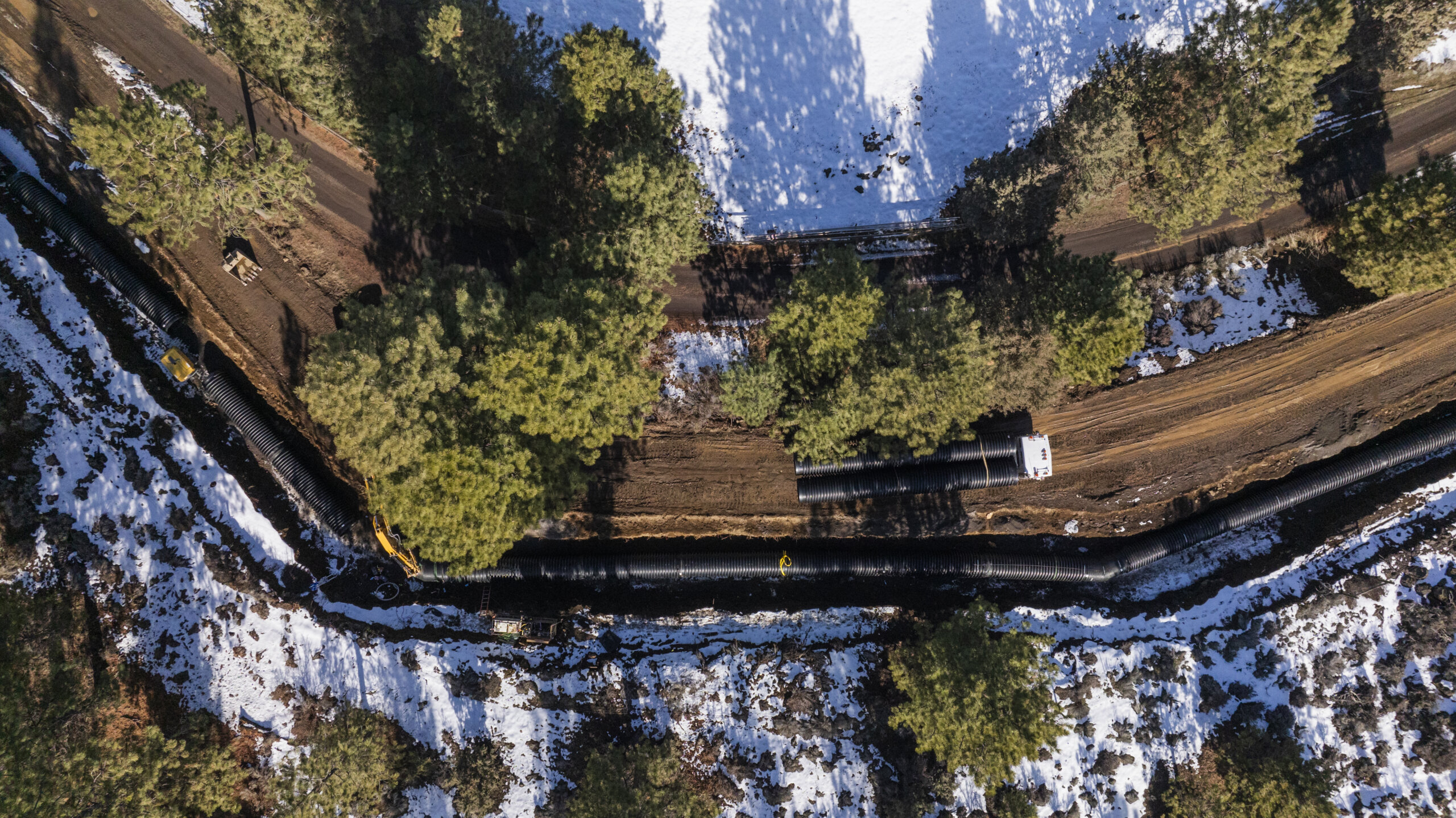
Arnold Irrigation District: Main Canal Phase 2
Phase 2 piped 4.38 miles of the Main Canal. The project saves 12.6 cfs of water during the irrigation season. Seventy percent of the conserved water was dedicated instream in the Deschutes River to support flows and aquatic habitat.
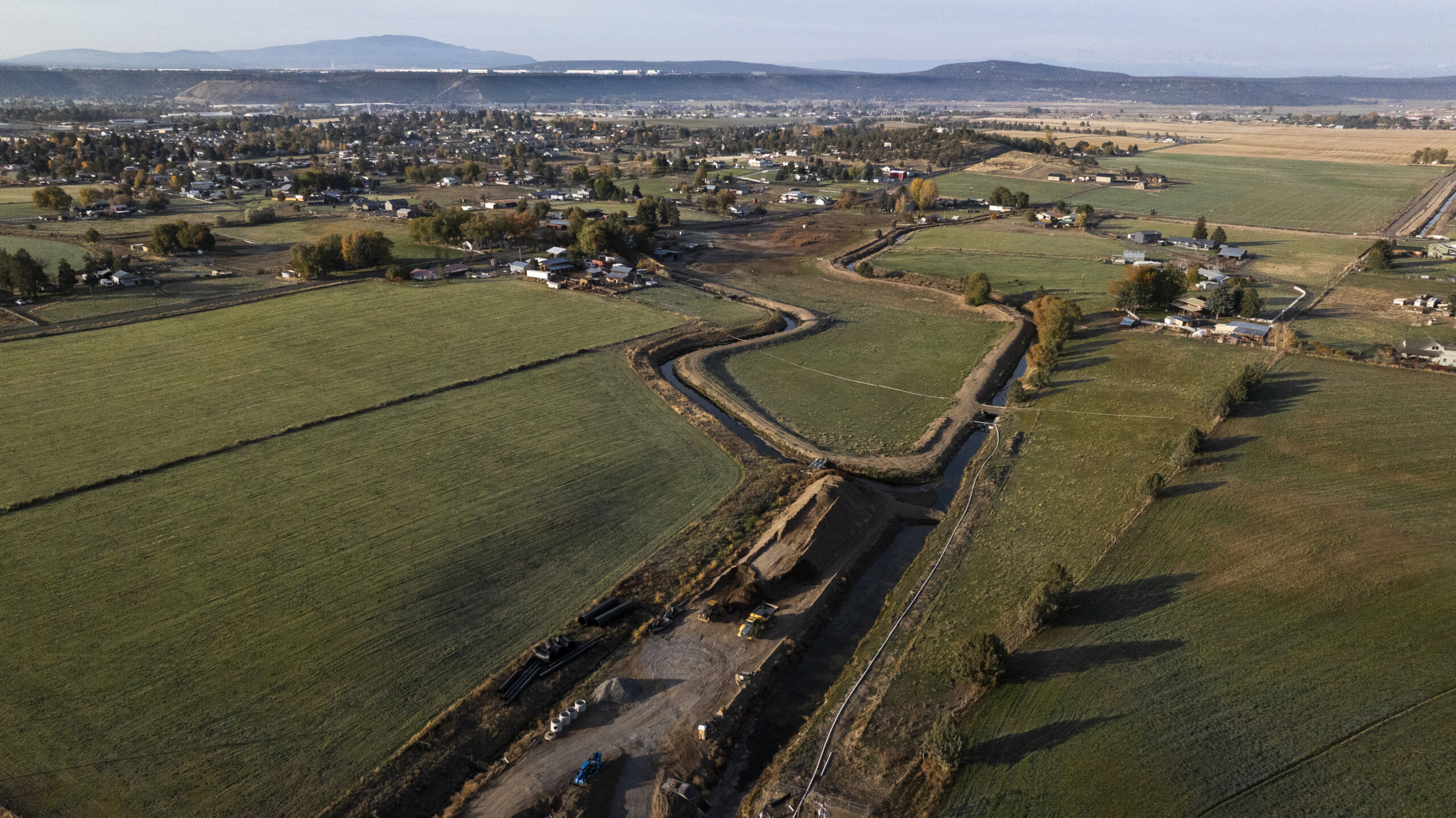
Ochoco Irrigation District: Project Group 2: Iron Horse Piping
The project will pipe the Iron Horse section of the canal, covering 7,800 feet. This improvement is expected to save approximately 2.2 cubic feet per second (CFS) of water after applying the adjustment factor. Piping the canal will reduce operations and maintenance costs by decreasing the need for canal weed treatment. In addition, the project will improve public safety as an existing elementary school is located adjacent to the open canal and a middle school is planned to be built nearby.
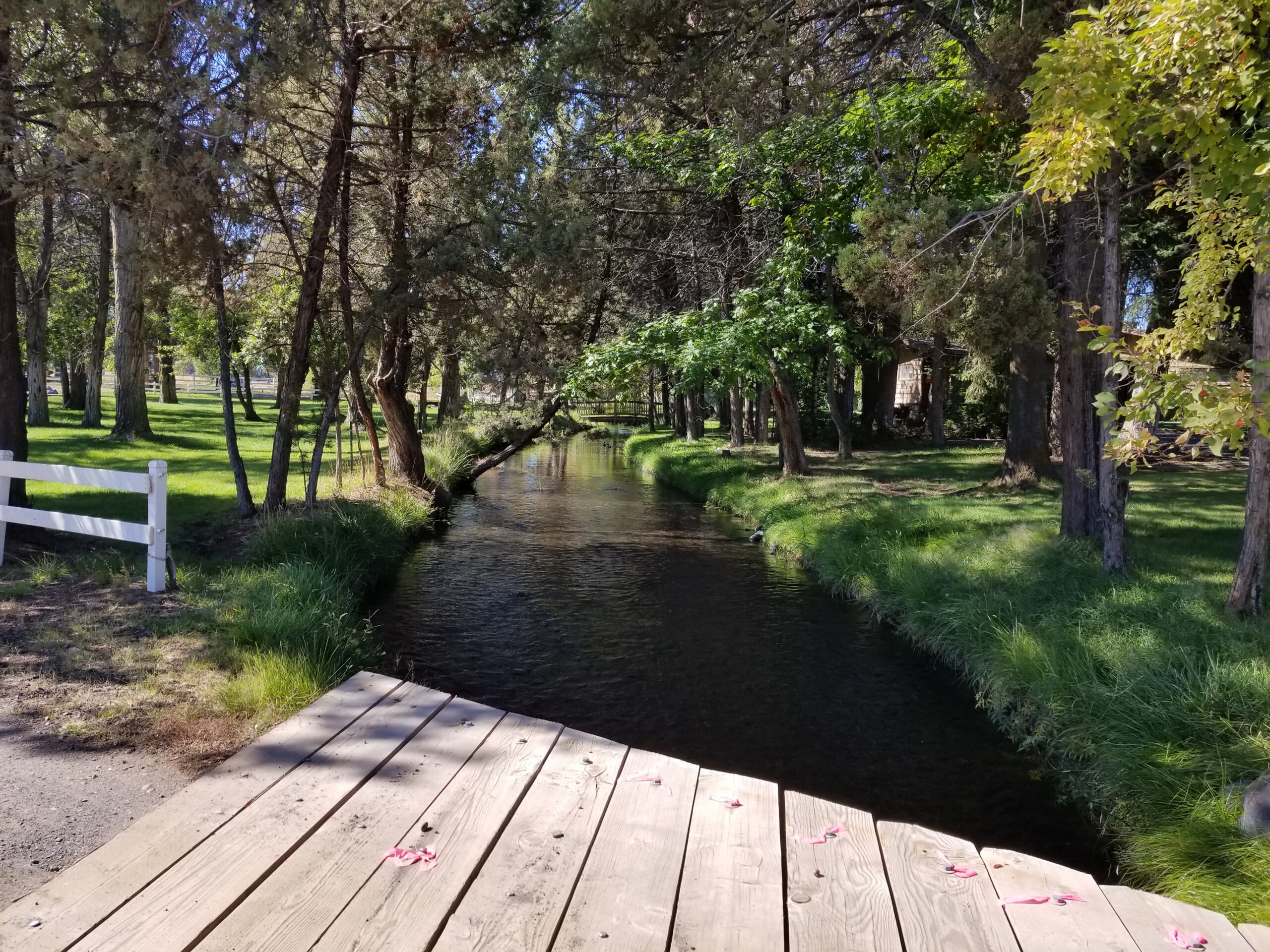
Swalley Irrigation District: Main Canal Phase MC-7
MC-7 modernization is part of a larger effort to modernize the Swalley Irrigation District Main Canal, to save 12 cfs of water to support irrigation and allow 5.2 cfs to be dedicated instream.
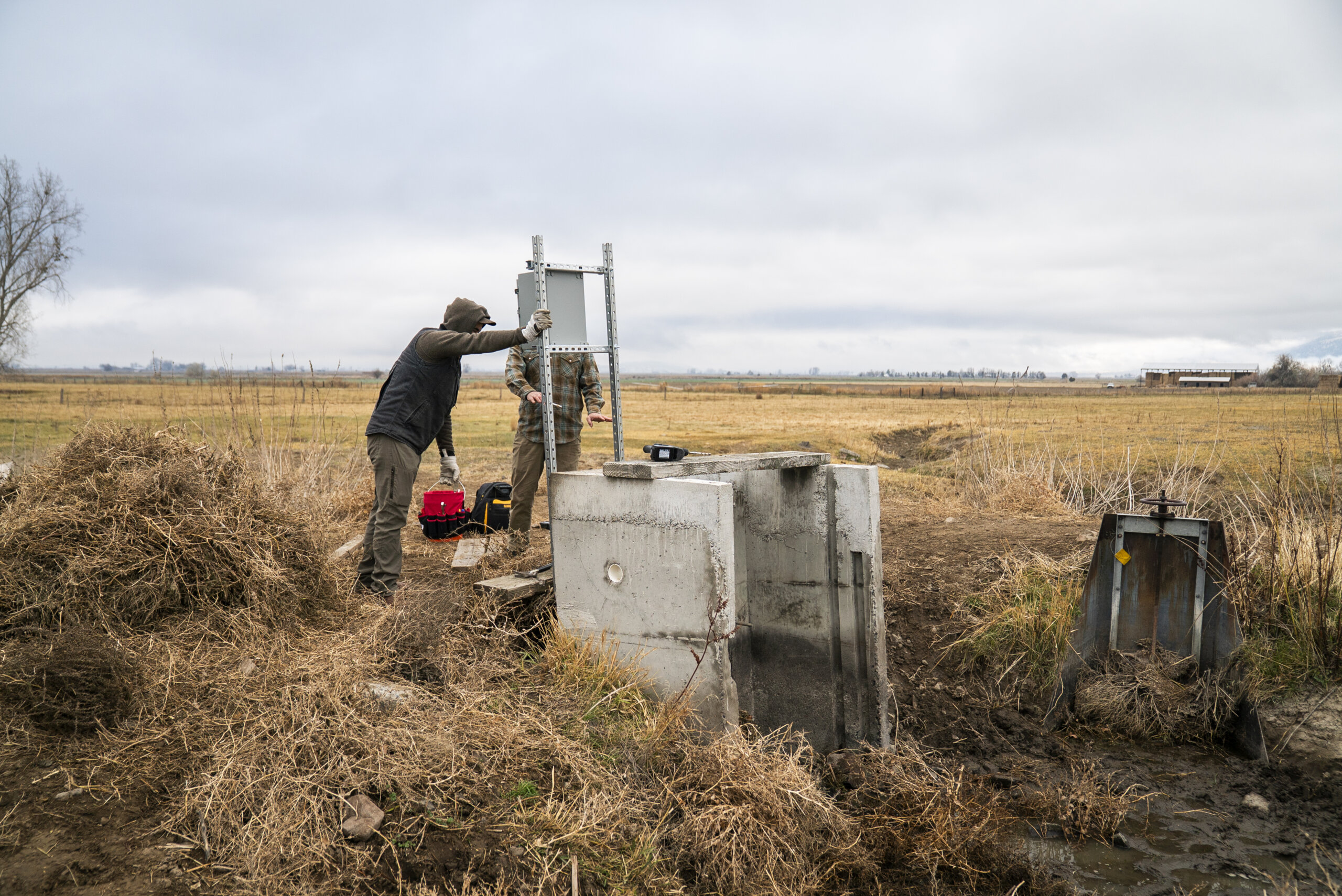
Klamath Basin: SCADA Phase 1
The Klamath Basin SCADA project will serve Hermiston, Klamath, Langell Valley, and Tumalo Irrigation Districts as well as Klamath Drainage District, and will improve water management and water delivery reliability throughout the Klamath Basin.
2024
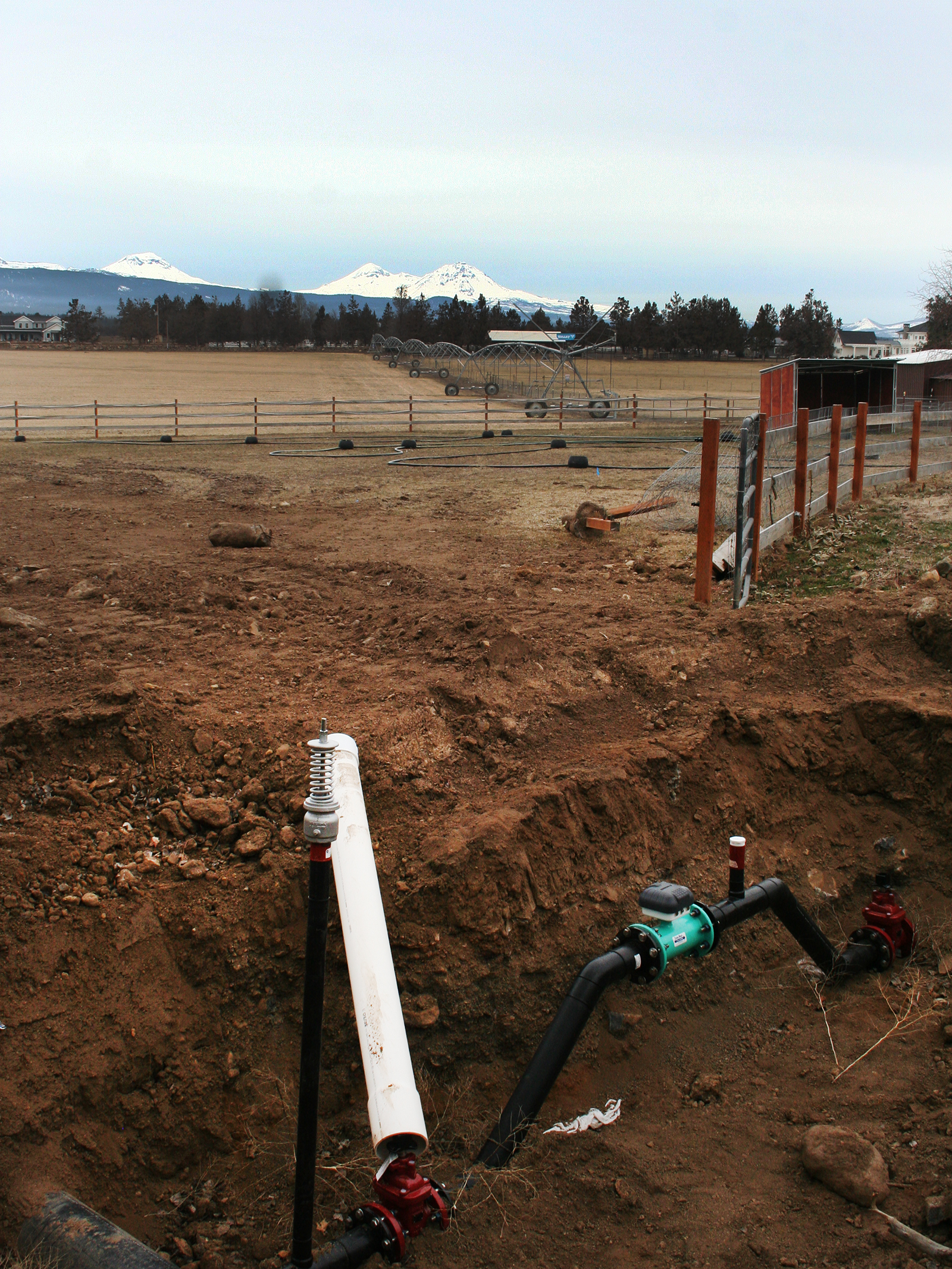
Tumalo Irrigation District: Project Group 4: Piping
The Group 4 project piped the West Branch Columbia Southern West, Spaulding, North Spaulding, and BeasleyLaterals, completing a large and critical portion of the Tumalo Irrigation System from the Allen Lateral to the Northwest extremities of the District. The project replaced over 11 miles of open canals that serve over 80 patron deliveries. Turnouts were modernized with accurate meters and better valve regulation capabilities, thus allowing the District to better manage its system. The project also provided pressurized water to all patrons in the Group 4 area, thus allowing for a dramatic reduction in electricity demand.
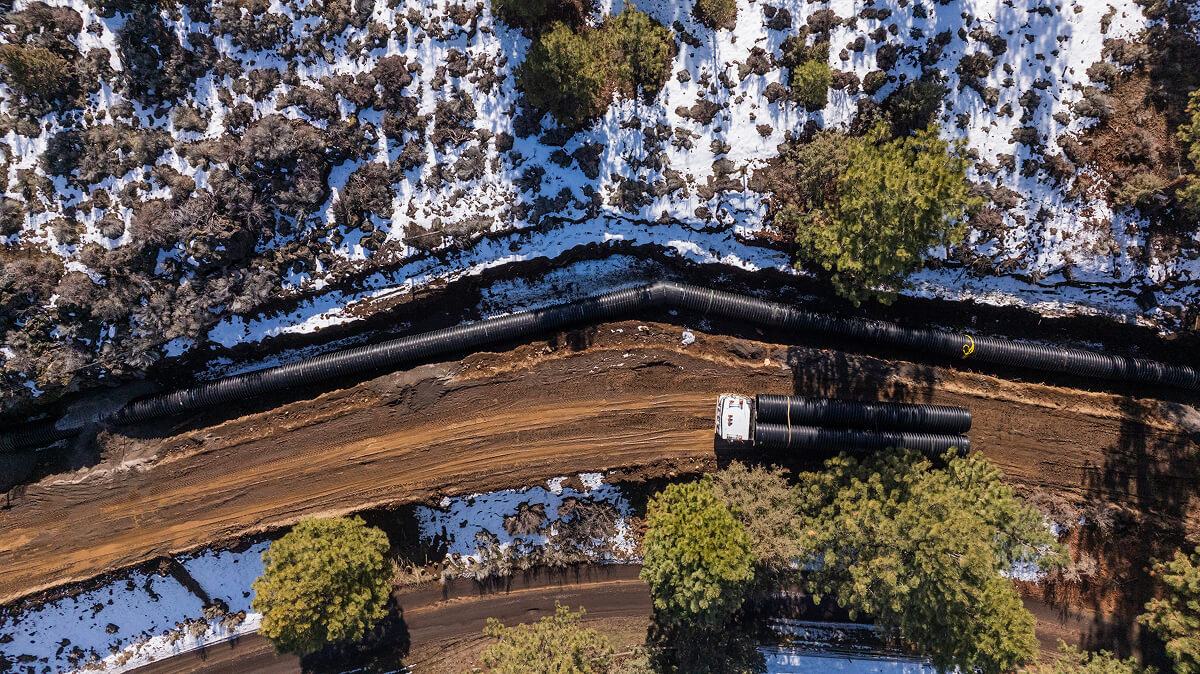
Arnold Irrigation District: Main Canal Phase 1
3.21 miles of the Arnold Irrigation District Main Canal were piped during phase 1 to conserve 11.2 cfs to support water reliability for agriculture and improve habitat for endangered and threatened species in the Deschutes Basin.
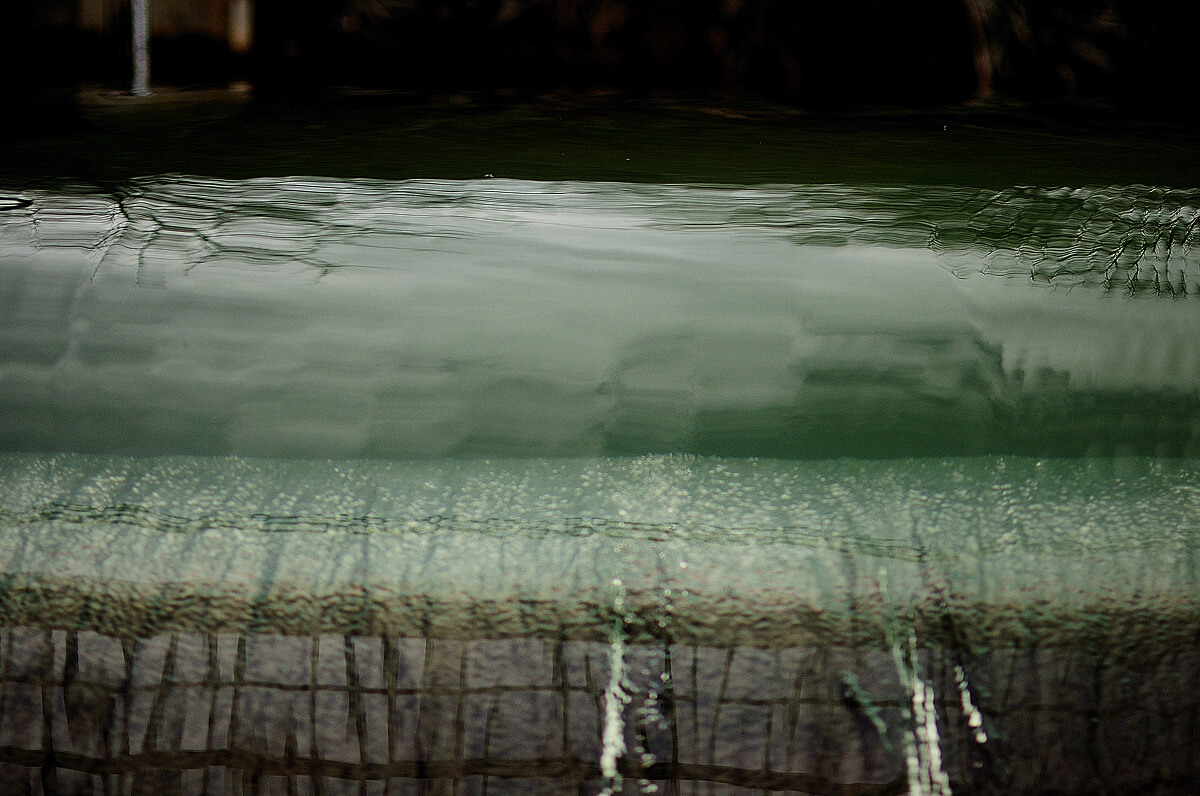
Truckee-Carson Irrigation District: 26 Foot Drop Runner Upgrade
26 Foot Drop has two hydroelectric turbines that were installed in 1954 and sized to regulate canal water flows down the V-Line Canal. Upgrading the power plant’s two steel runner units enabled the district to start producing power at 80 ft3/s instead of the current 150 ft3/s, ultimately increasing the District’s revenue and production of green energy.
2023
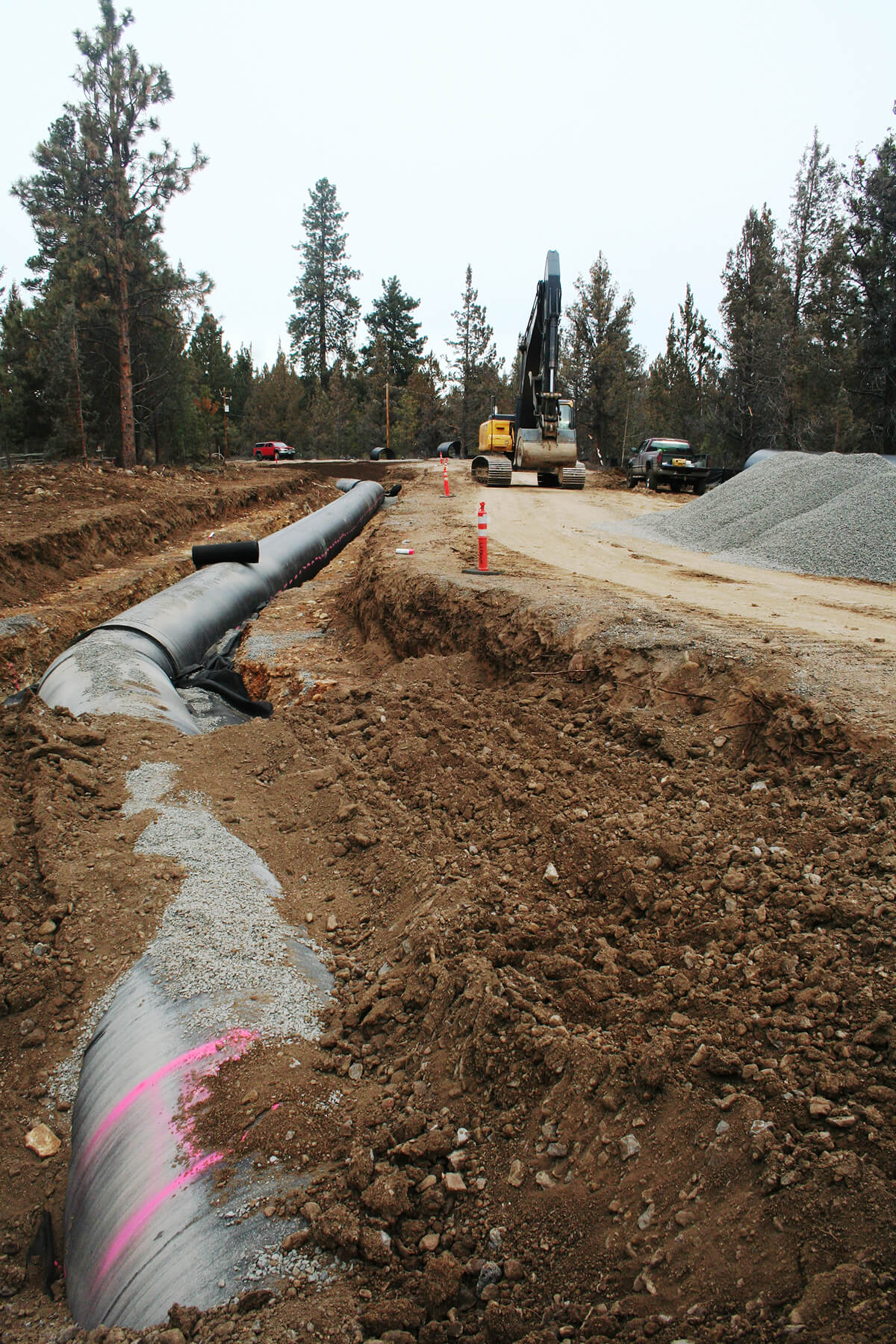
Tumalo Irrigation District: Project Group 6A: Piping
The project piped approximately 12,300 linear feet of the Columbia Southern Lateral, extending northeast from Tumalo Reservoir Road. The 1.5 cfs of conserved water was dedicated instream to support threatened and endangered species in the Deschutes River.
2022
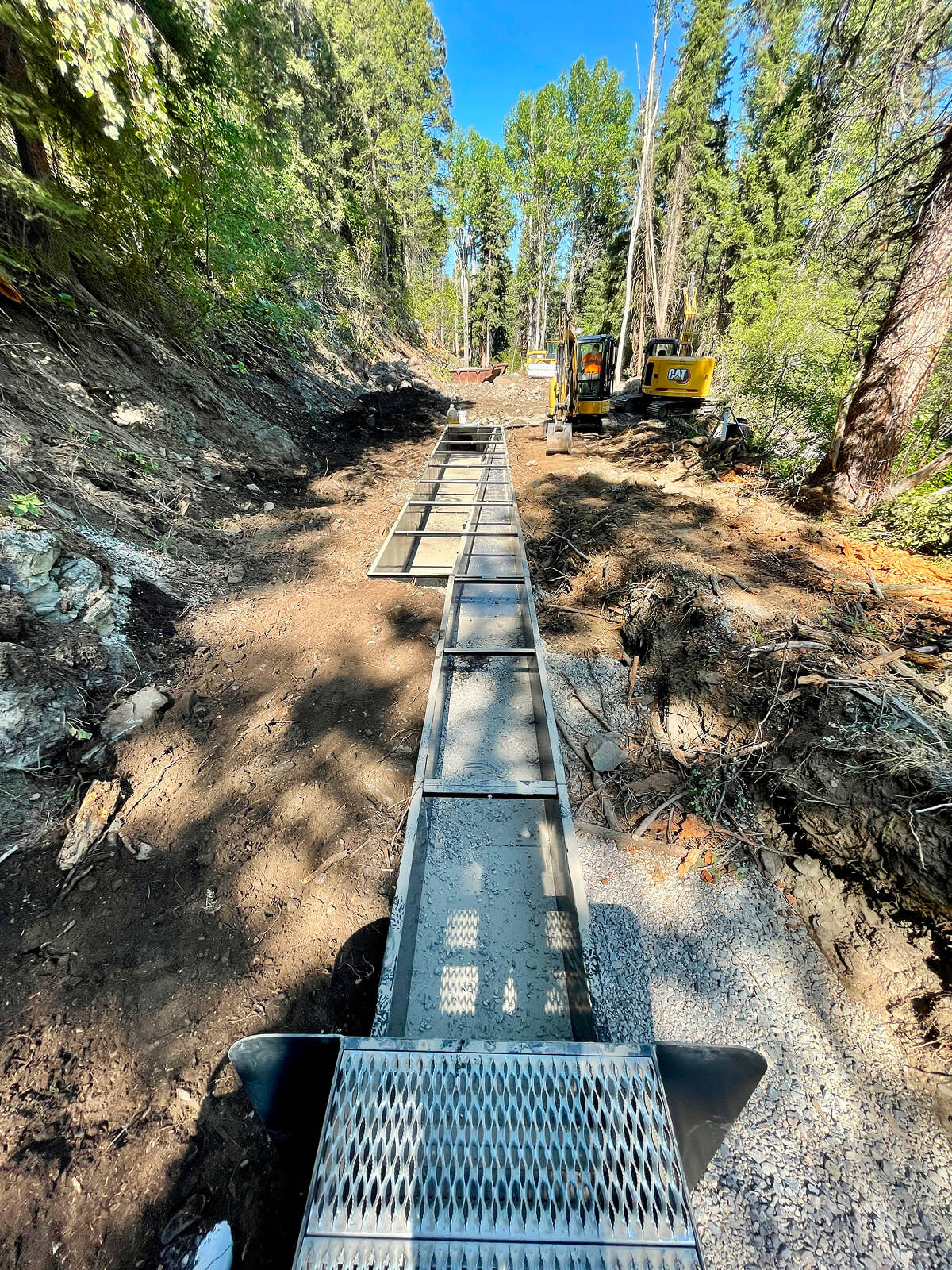
Cottonwood Creek Screen
The project installed 12 cfs screen to reduce debris blockage of irrigation canals and to protect fish in South Fork Cottonwood Creek.
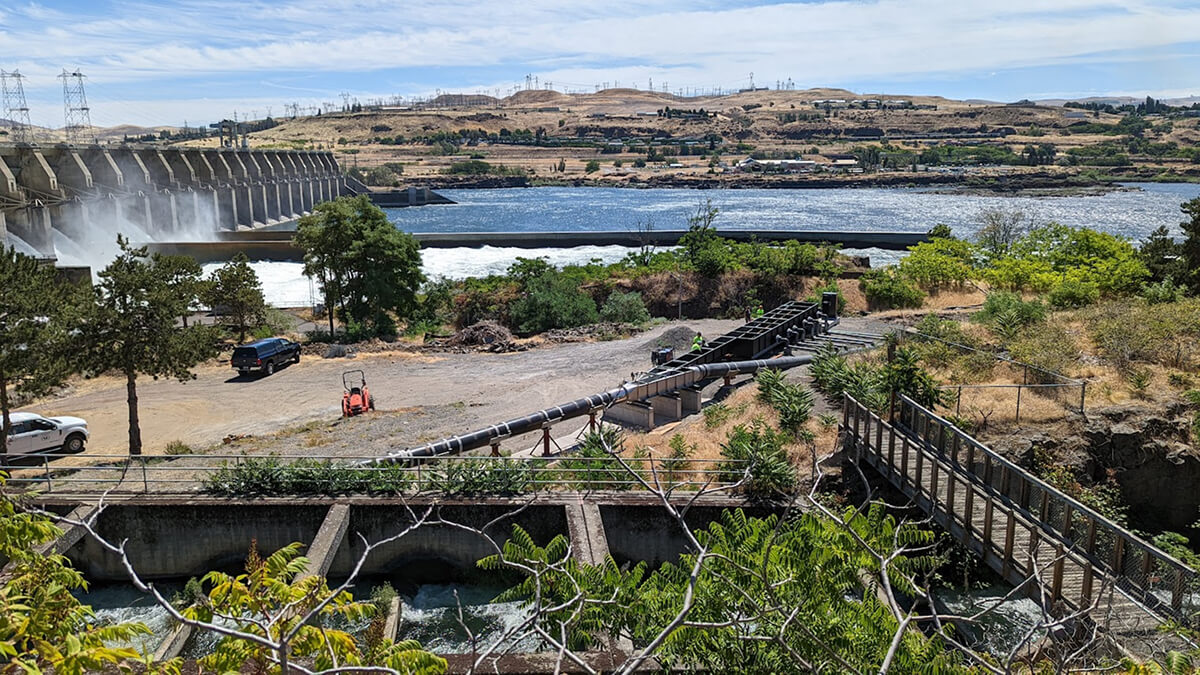
North Wasco County PUD: Farmers Screen
Project installed 11 cfs screen to protect fish and provide a safe working environment for PUD’s sampling operation to assess fish condition through hydroelectric turbines.
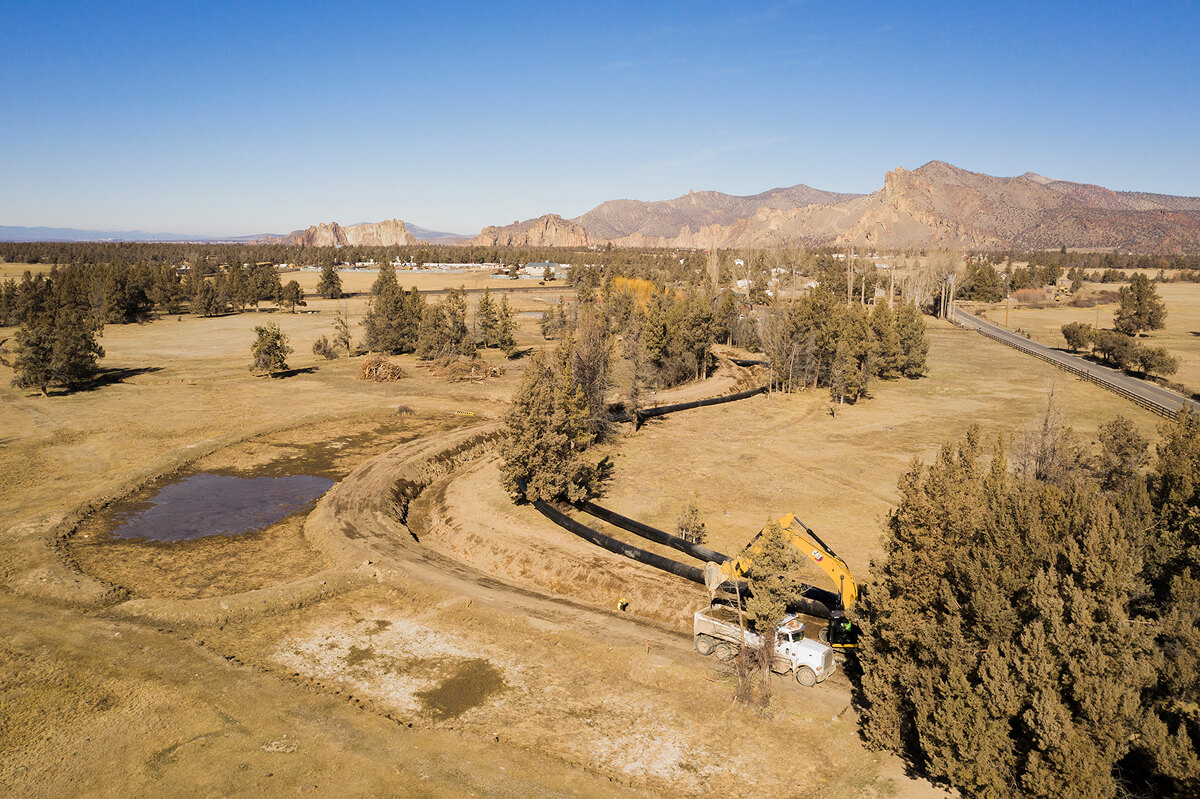
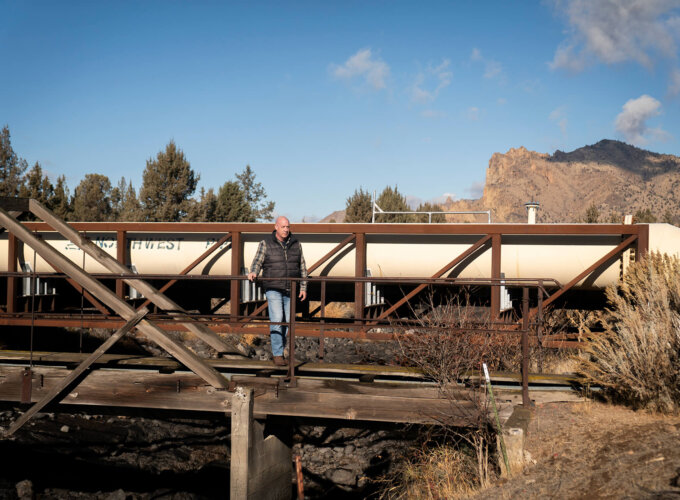
Central Oregon Irrigation District: Smith Rock-King Way PL-566 Project Phase 2
Project involved piping 1.6 miles of the J-lateral and 1.2 miles of the PBC; 4 cfs of water saved and dedicated to supporting aquatic habitat and North Unit Irrigation District (NUID) on a seasonal basis. Water passed to NUID farmers results in $49,000 reduction in agricultural losses.
2021
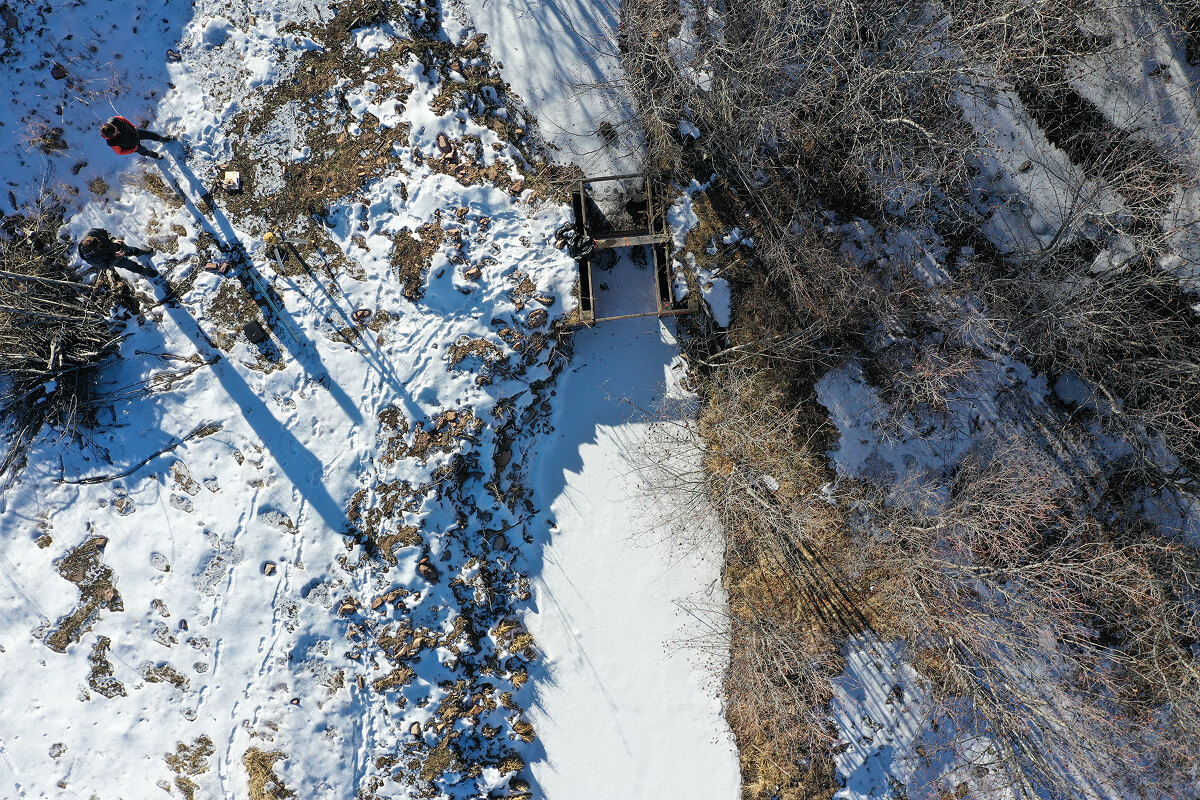
South Fork Lower Willow Creek: Farmers Screen
The project installed a 9 cfs fish screen in the South Fork of Lower Willow Creek in Oregon, improving fish passage for the native Westslope cutthroat trou and supporting the long-term health of the watershed.
Tumalo Irrigation District: Project Group 3: Columbia Southern, Allen Lateral and Allen Sublaterals #1 and #2
Measures installed include HDPE pipe along with associated fittings, flow and pressure control valves, air/vacuum valves, and pressure-relief valves and full easement site restoration and rehabilitation.; 507 acres of irrigated land benefited and 49 farms receiving pressurized water delivery, reducing the need for on-farm pumping.
These projects address the following needs: water loss in District conveyance systems, water delivery and operations inefficiencies, instream flow for fish and aquatic habitat, and risks to public safety from open irrigation canals. The projects served to eliminate seepage loss associated with approximately 25,000 linear feet of existing open canal along the Allen Lateral, two Allen Sub-laterals, and the McGinnis Ditch, along with another approximate 2,200 liner feet of existing open canal associated with Columbia Southern Canal, allowing for an estimated annual water savings of 450 acre-feet.
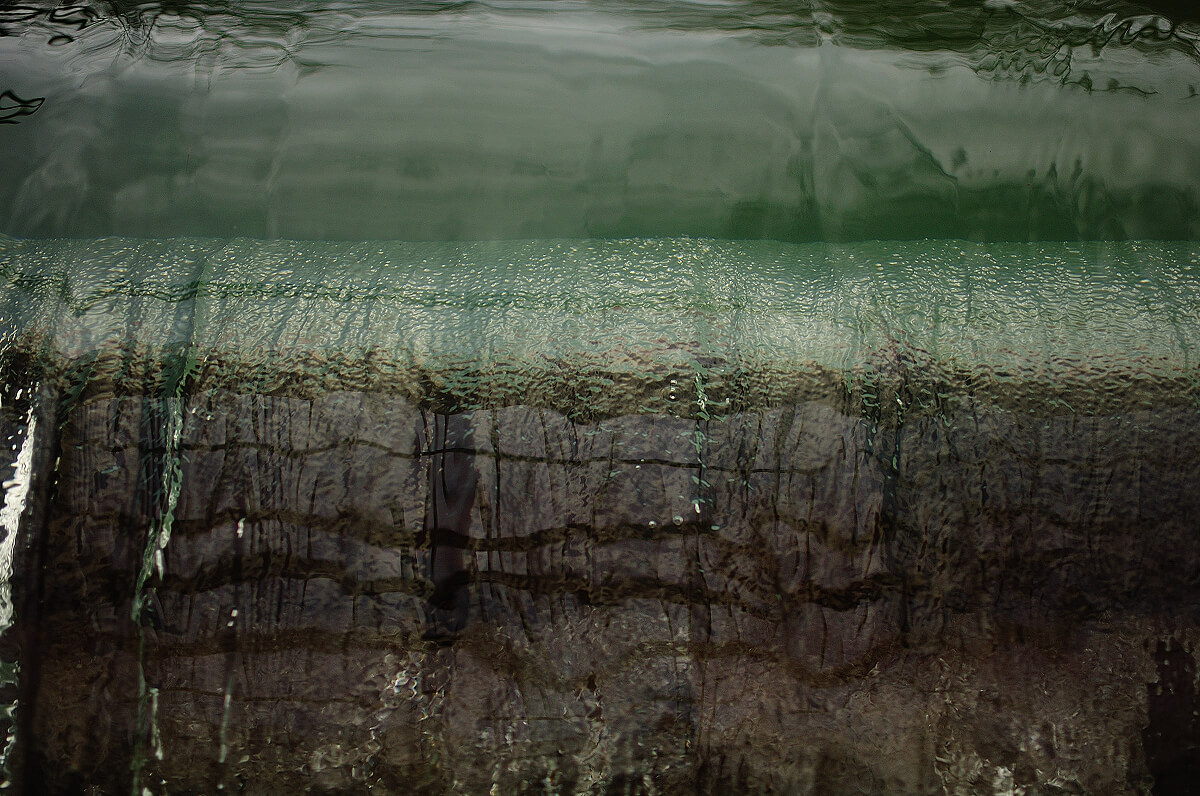
Central Oregon Irrigation District: Smith Rock-King Way PL-566 Project Phase 1
Piping the G-4 Lateral, 1 mile of the J-lateral, and 2.9 miles of the PBC saves 30 cfs of water with 26 cfs dedicated to supporting 108 stream miles of aquatic habitat for the Oregon Spotted Frog, Bull Trout, and Steelhead Trout. An average 82,993 kWh of energy savings annually from reduced on-farm pumping benefits 74 patrons.
2020
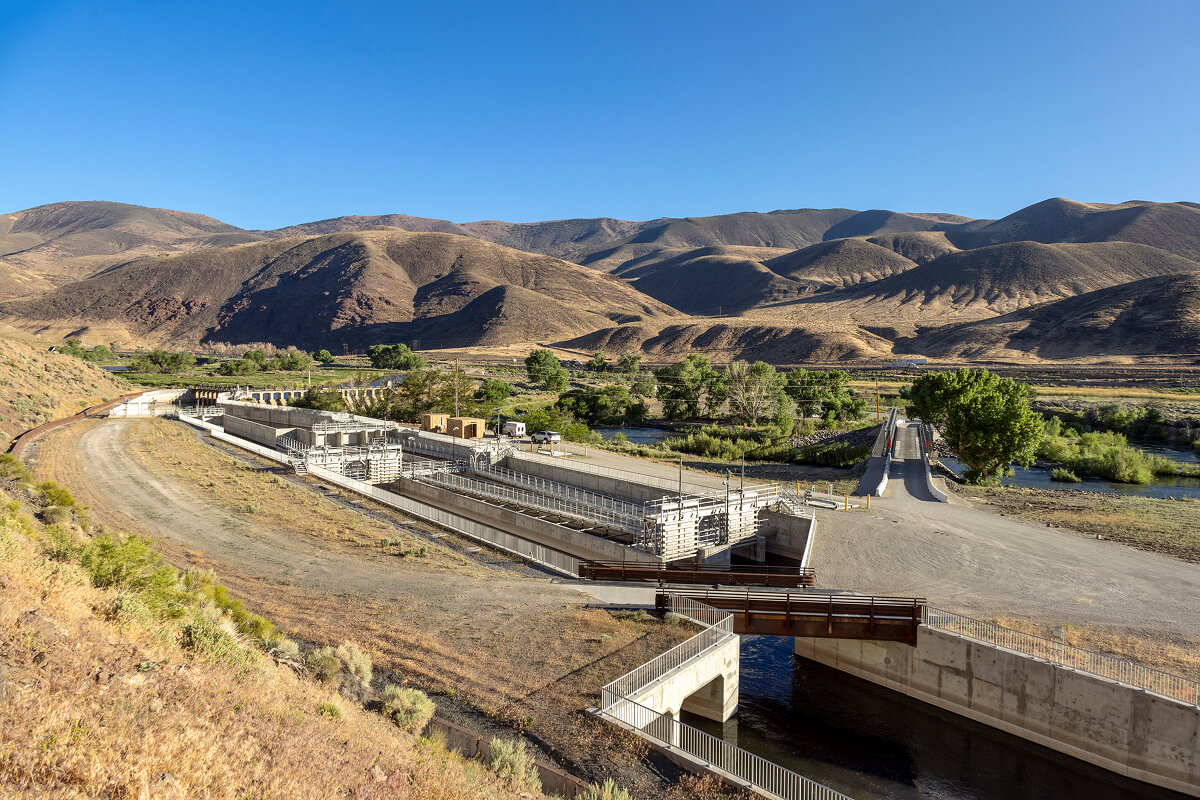
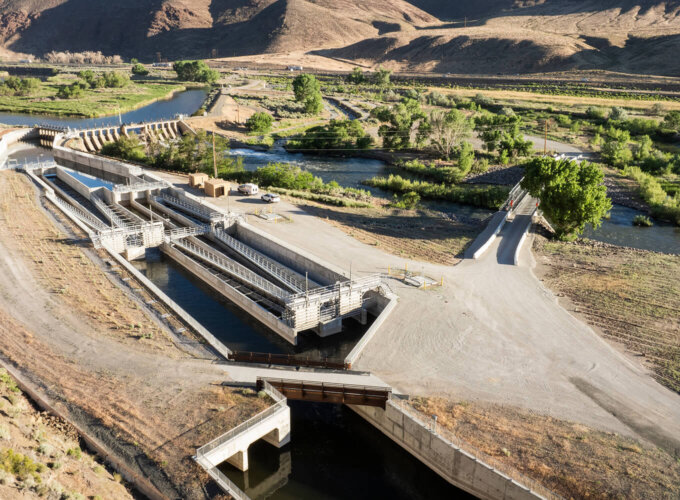
The Derby Dam Farmers Screen project in Sparks, Nevada, is FCA’s largest fish screen to date. The project restored fish passage after nearly 100 years of disrupted connectivity, supporting the recovery of the endangered Lahontan cutthroat trout and strengthening ecosystem health in the watershed. It improved water supply reliability for irrigators and benefited 59,000 acres of irrigated land, helping sustain regional food production and farm viability. Economically, the $34M investment supported 218 jobs and has avoided major ongoing operations and maintenance costs, saving the Bureau of Reclamation thousands of dollars in planned expenses while delivering long-term infrastructure value.
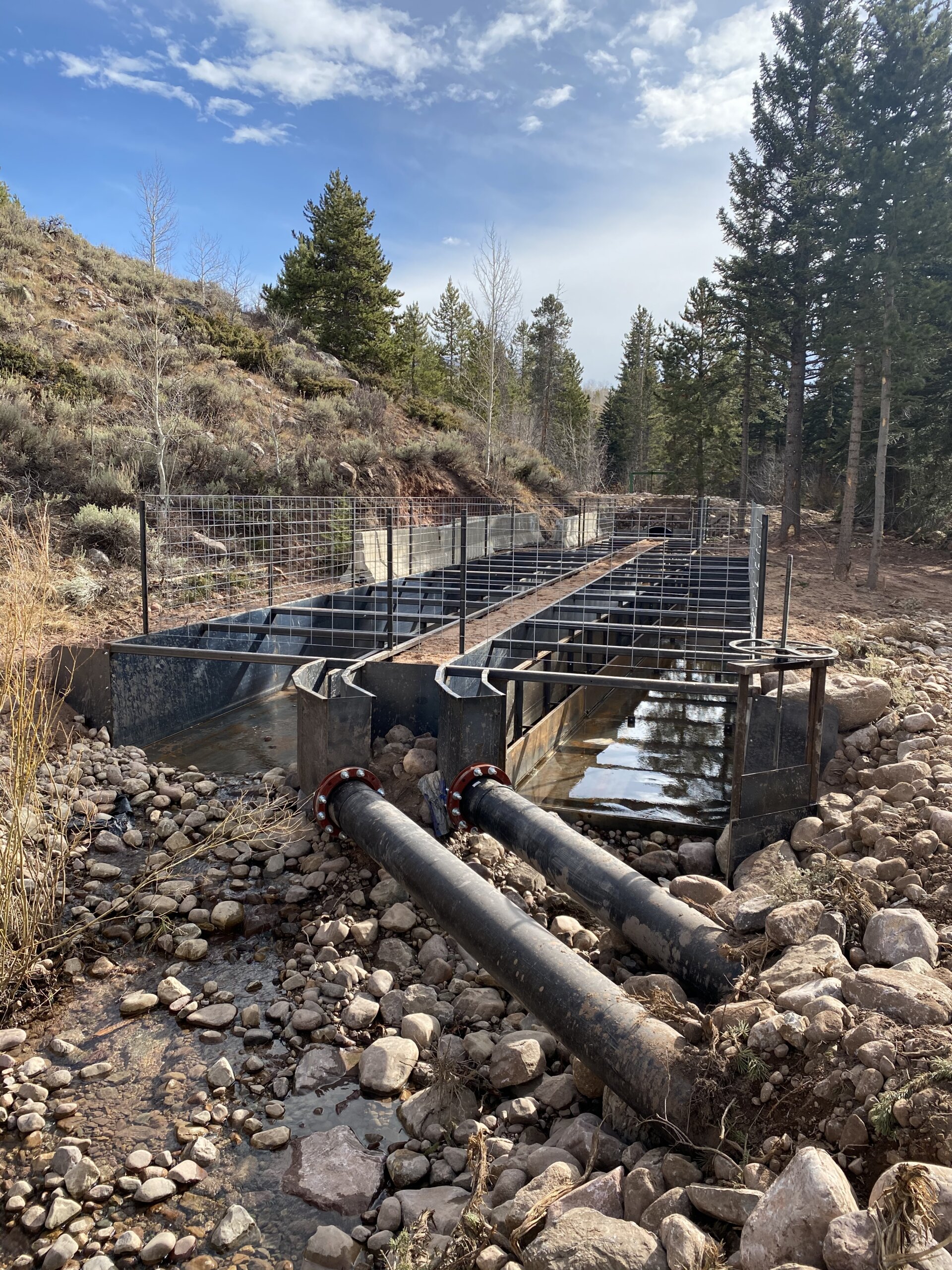
East Fork Hilliard Farmers Screen
The 40 cfs fish screen installed in the canal downstream of the headgate keeps fish out of the canal during all canal flows in the East Fork Bear River in Utah.
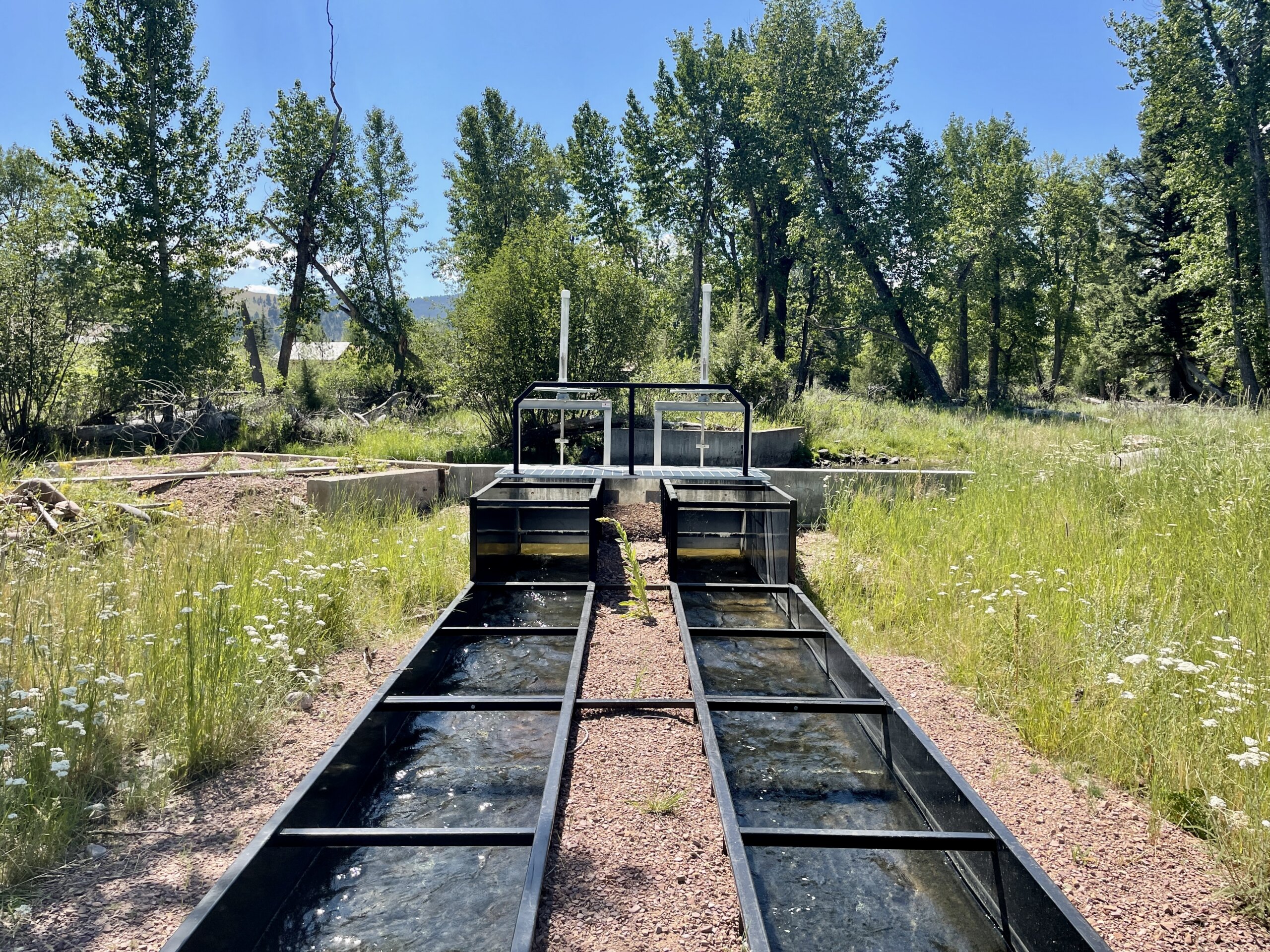
Bohrnsen-Marletto Farmers Screen
The Bohrnsen-Marletto Fish Screen is a conservation infrastructure project in Montana. The 30 cfs fish screen is located on Harvey Creek to prevent fish from entering irrigation ditches, which has resulted in an increase in Cutthroat trout numbers downstream and protects fish in Rock Creek.
Swalley Irrigation District: Project Group 1: Rogers and Rogers Sublateral
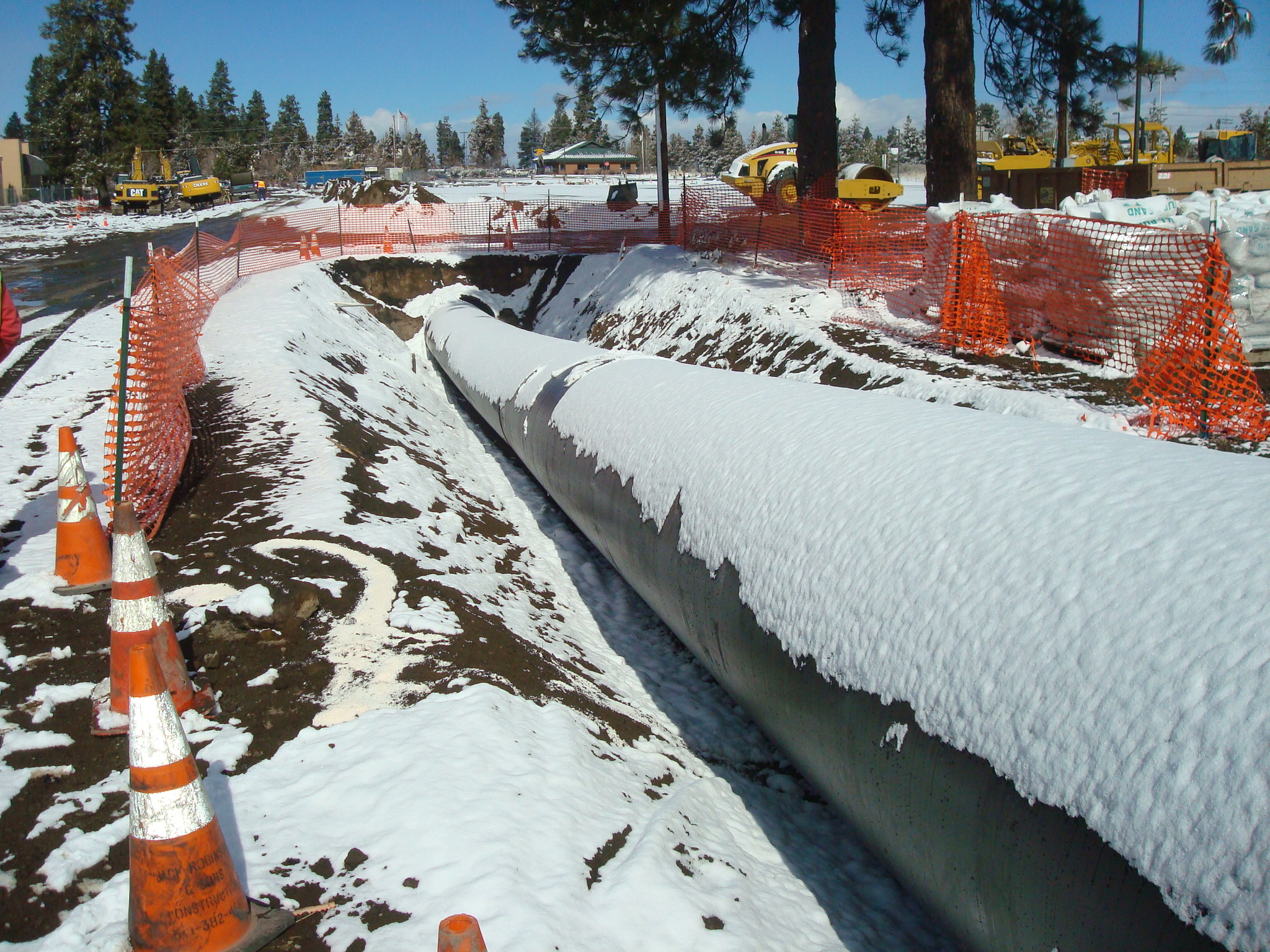
The project piped 19,892 feet of the Rogers Lateral and upgraded 49 turnouts. In addition, 2,235 feet of the Rogers Sublateral were piped and four turnouts were upgraded. A total of 1.8 cfs of water was allocated for instream use and patrons save approximately $67,000 annually in reduced pumping costs as a result of pressurization.
Swalley Irrigation District: Project Group 1: Riley and Riley Sublateral
Piping an open section of canal adjacent to a local elementary school significantly improved public safety for students and the surrounding community. In addition, 396 acres of irrigated land now benefit from increased reliability and efficiency.
Tumalo Irrigation District: Project Group 2: Tumalo Feed Canal Phase 6
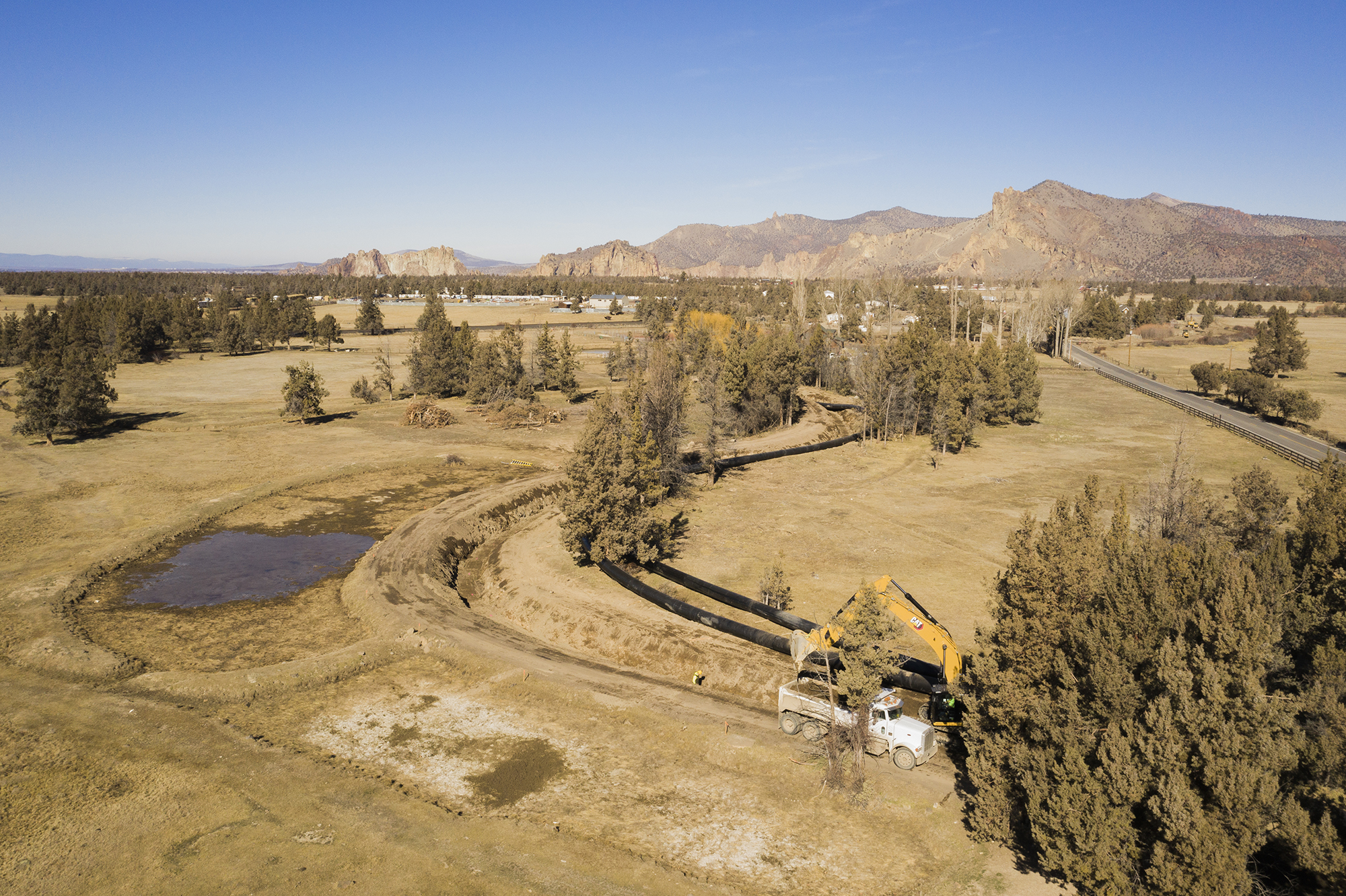
This project piped approximately 77,000 feet of the Tumalo Feed Canal and associated laterals. The improvements generated 7.8 cfs of water savings, with 5.2 cfs supporting Central Oregon farmers and 2.6 cfs dedicated instream to enhance aquatic habitat for the Oregon spotted frog and steelhead trout. In total, 1,542 acres of irrigated land benefited from the project.
2019
Shake Creek Farmers Screen
A 1 cfs fish screen was installed in Shake Creek to protect native fish species while supporting continued U.S. Forest Service operations.
Tumalo Irrigation District: Project Group 1: Tumalo Feed Canal Phase 5B
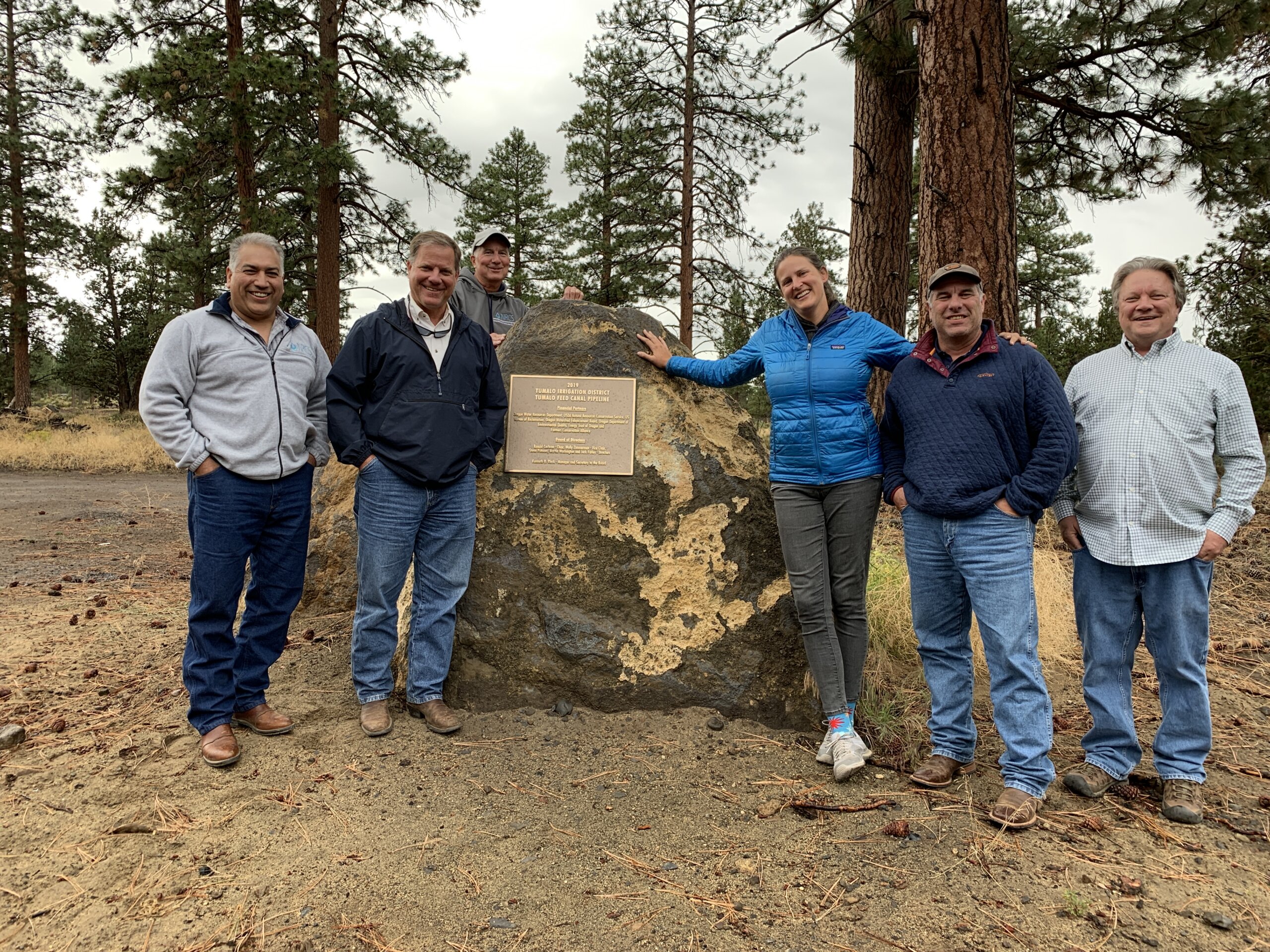
This phase of the project completed the remaining unpiped segment of the Tumalo Feed Canal, along with the Kearns Lateral. The project allocated 5.4 cfs of water instream, benefiting 135 miles of river habitat. In addition, 7 farms now benefit from improved water delivery reliability and pressurization.
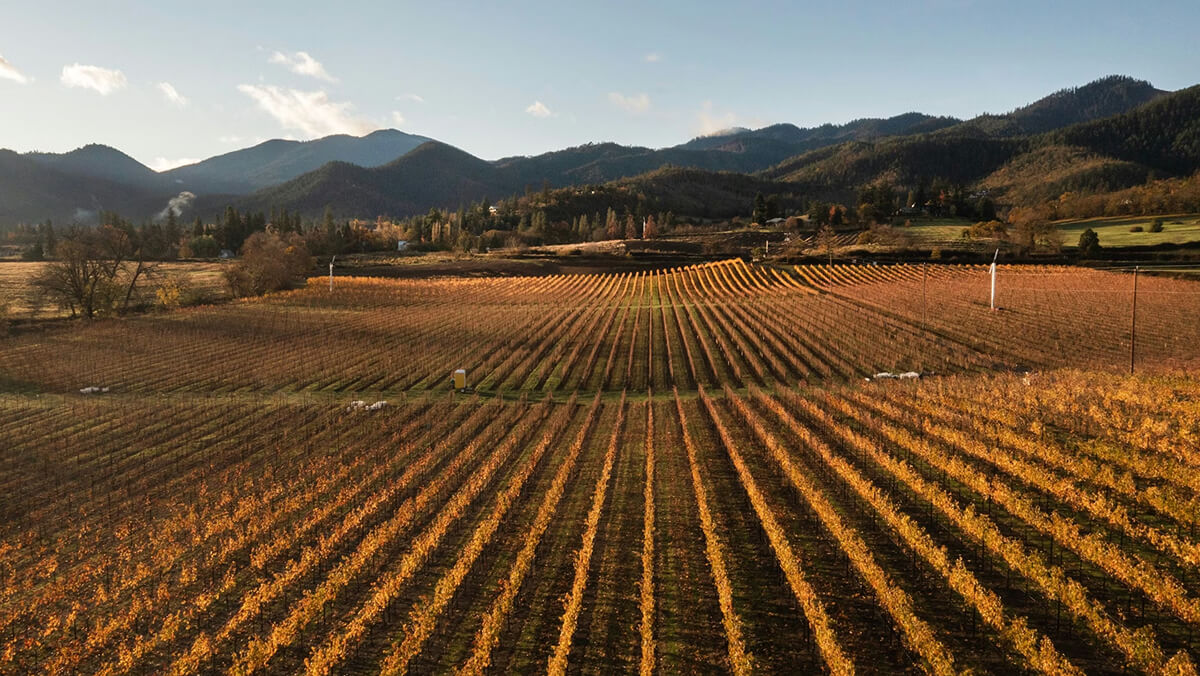
Rogue River Valley Irrigation District: Bradshaw Drop Project
The project piped 3.6 miles of the Hopkins Canal and converted on-farm irrigation systems from flood to sprinkler. Three years after project completion, E. coli levels in Antelope Creek decreased by 70 percent, demonstrating significant improvements in water quality. A local farm served directly by the Bradshaw Drop experienced a 122% increase in productivity due to improved water delivery reliability.
2018
Nevada Creek Screen
15 cfs screen protects Westslope cutthroat trout in Spotted Dog Creek.
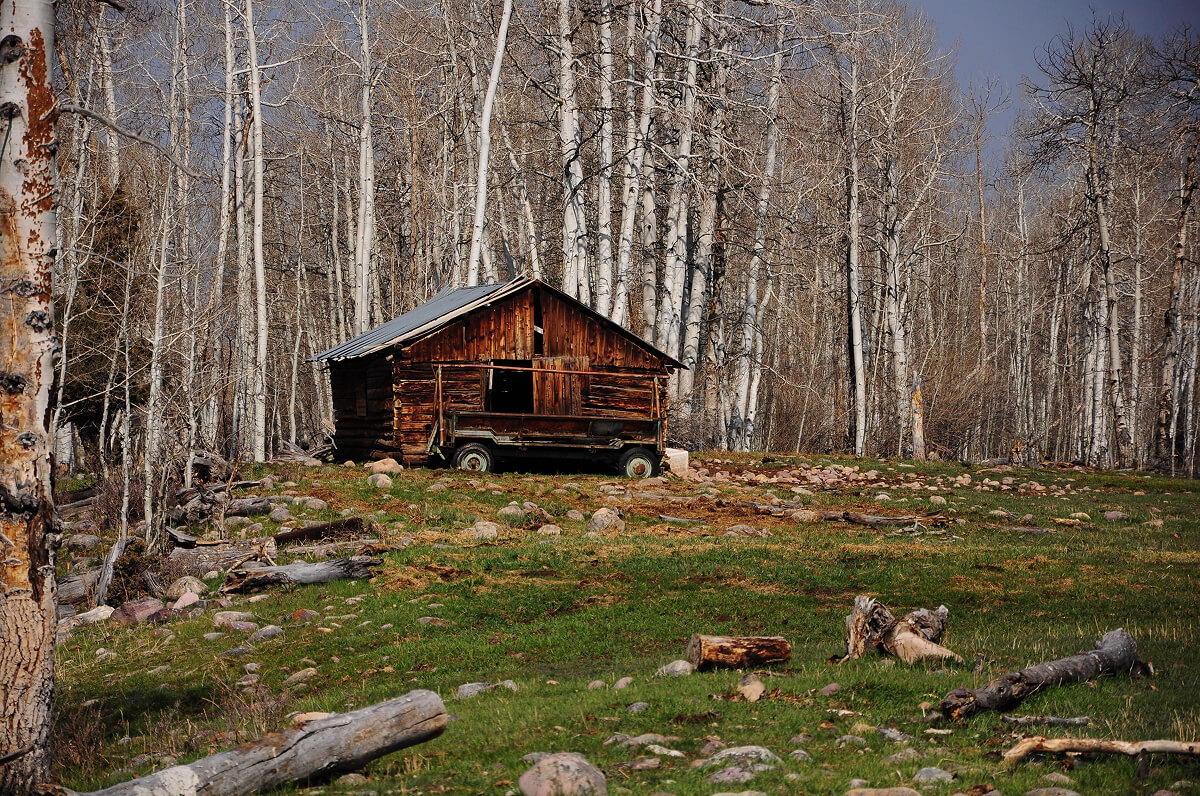
Danielson Screen
15 cfs screen used to protect cutthroat trout, mountain whitefish, bluehead suckers, brown trout, and brook trout in an additional ten miles of Upper Bear River.
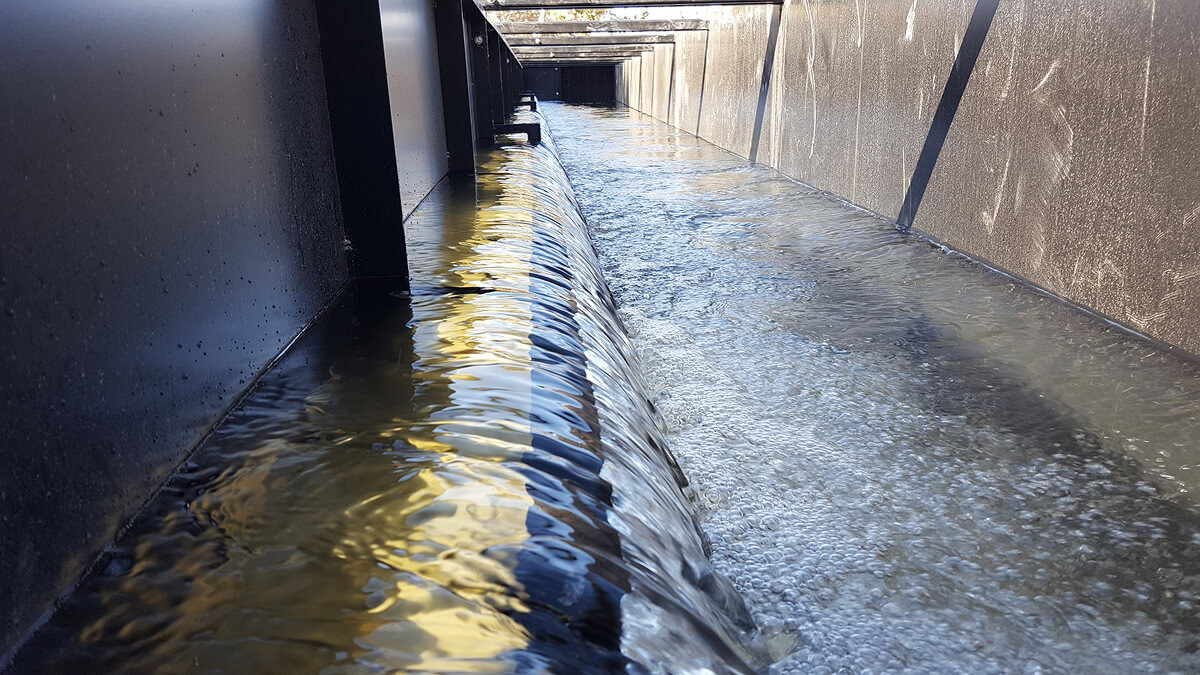
Kannah Creek Screen
A 15 cfs fish screen will be used for a municipal and domestic water supply in Kannah Creek. The project will help protect rainbow, brown, and cutthroat trout.
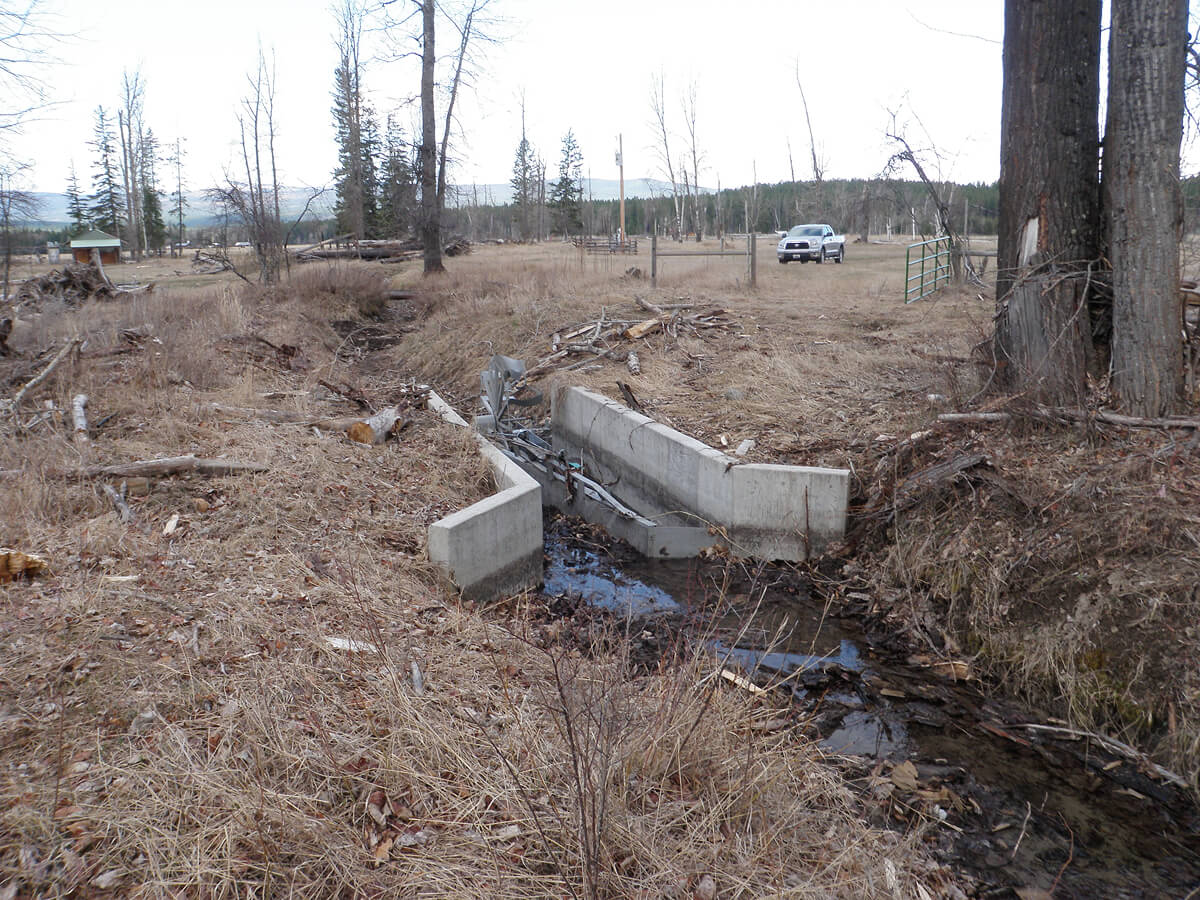
Flannigan Ranch Screen
6 cfs screen protects fish in a 13 mile reach of Grave Creek.
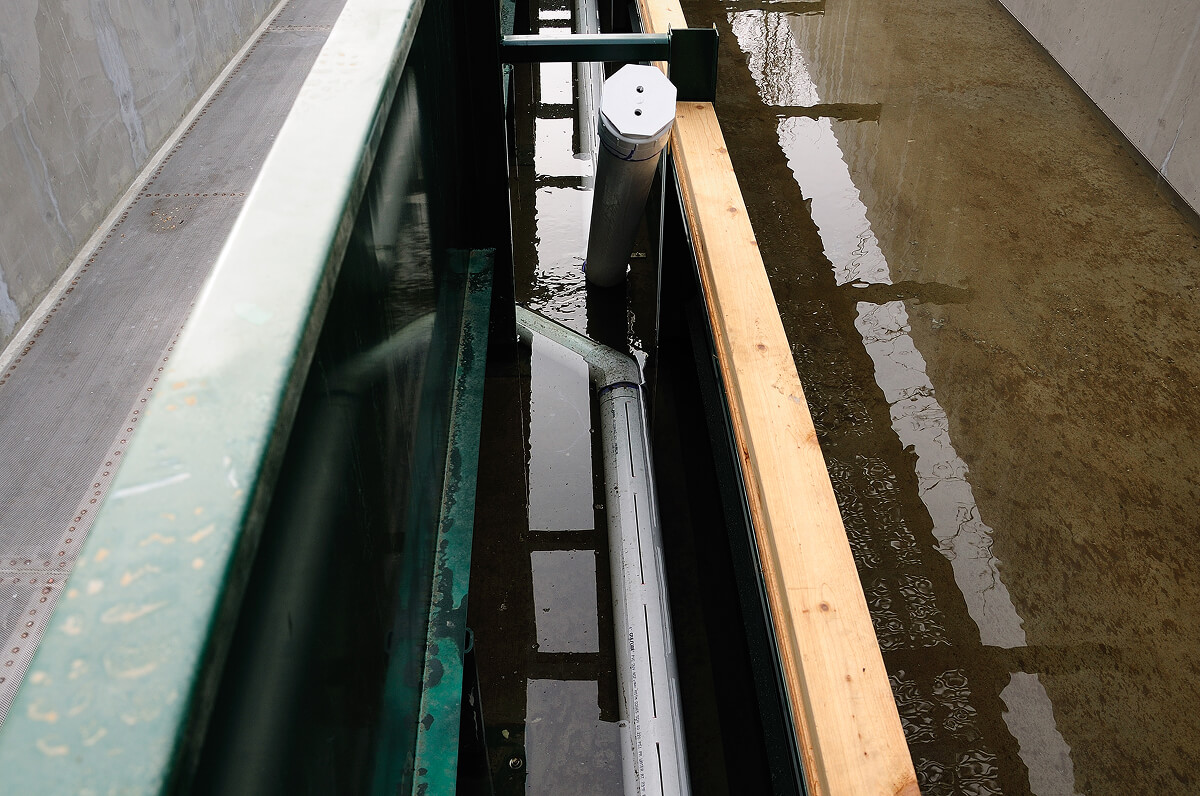
Lake Whatcom Screen
3 cfs screen used for fish hatchery operations protects fish in 3 additional miles of Brannian Creek.
2017
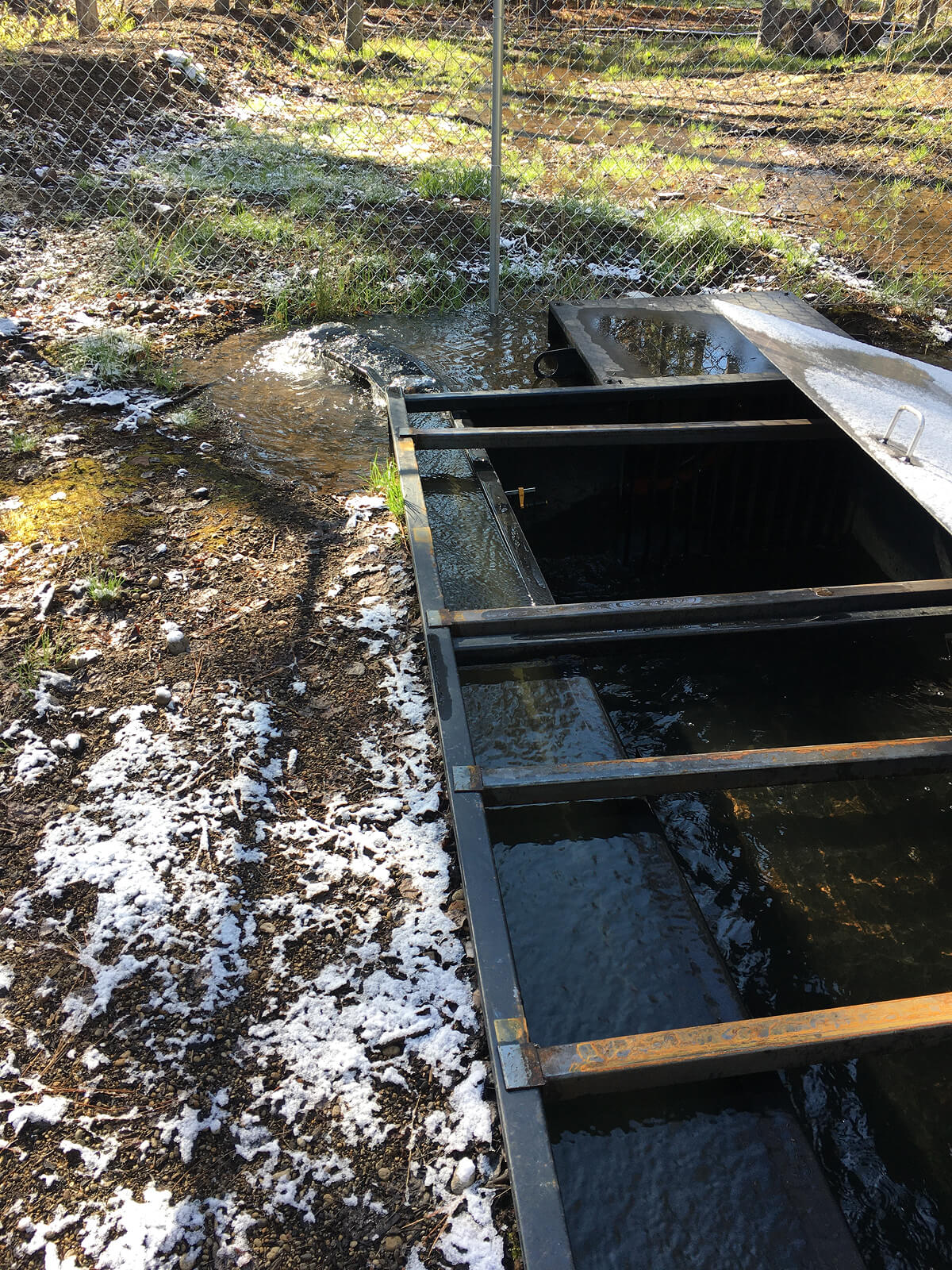
Sun Cr. Screen
15 cfs screen protects fish in Sun Creek.
S.F. Sprague Screen
12 cfs screen protects fish in the South Fork Sprague River.
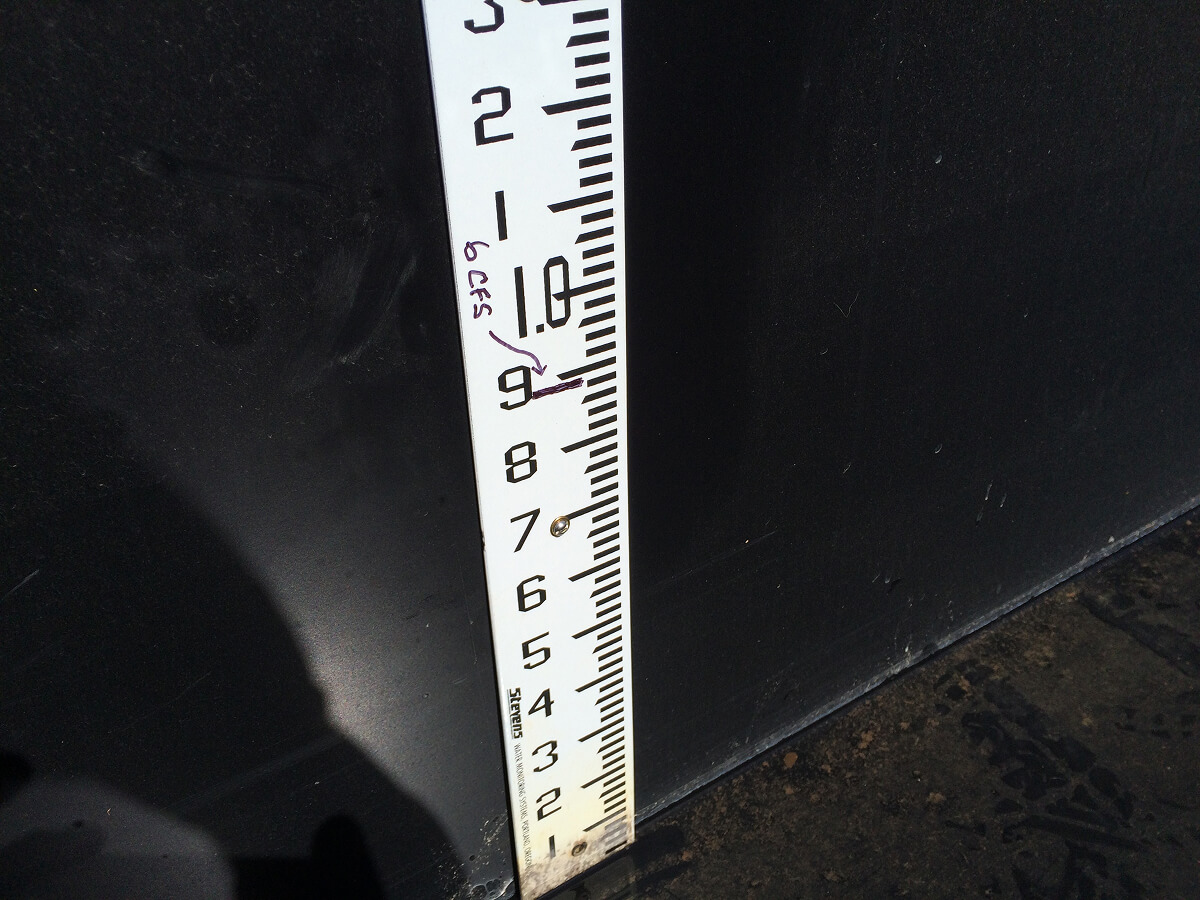
Schwartz Screen
12 cfs screen protecting fish in 25 additional miles of the Blackfoot River.
2016
Warm Springs Screen
6 cfs screen protects bull, cutthroat, rainbow, and brown trout in Warm Springs Creek and improves access to an additional 4 miles of fish habitat.
Snowshoe 6 Screen
6 cfs screen protecting brown trout in Snowshoe Creek and improving access to an additional mile of fish habitat.
Omak Screen
1 cfs screen protects fish in hatchery operations and improves access for steelhead and trout to 20 additional miles on Omak Creek.
Daly Creek Screen
.3 cfs screen improves fish habitat and access to 14 miles of Daly Creek.
2015
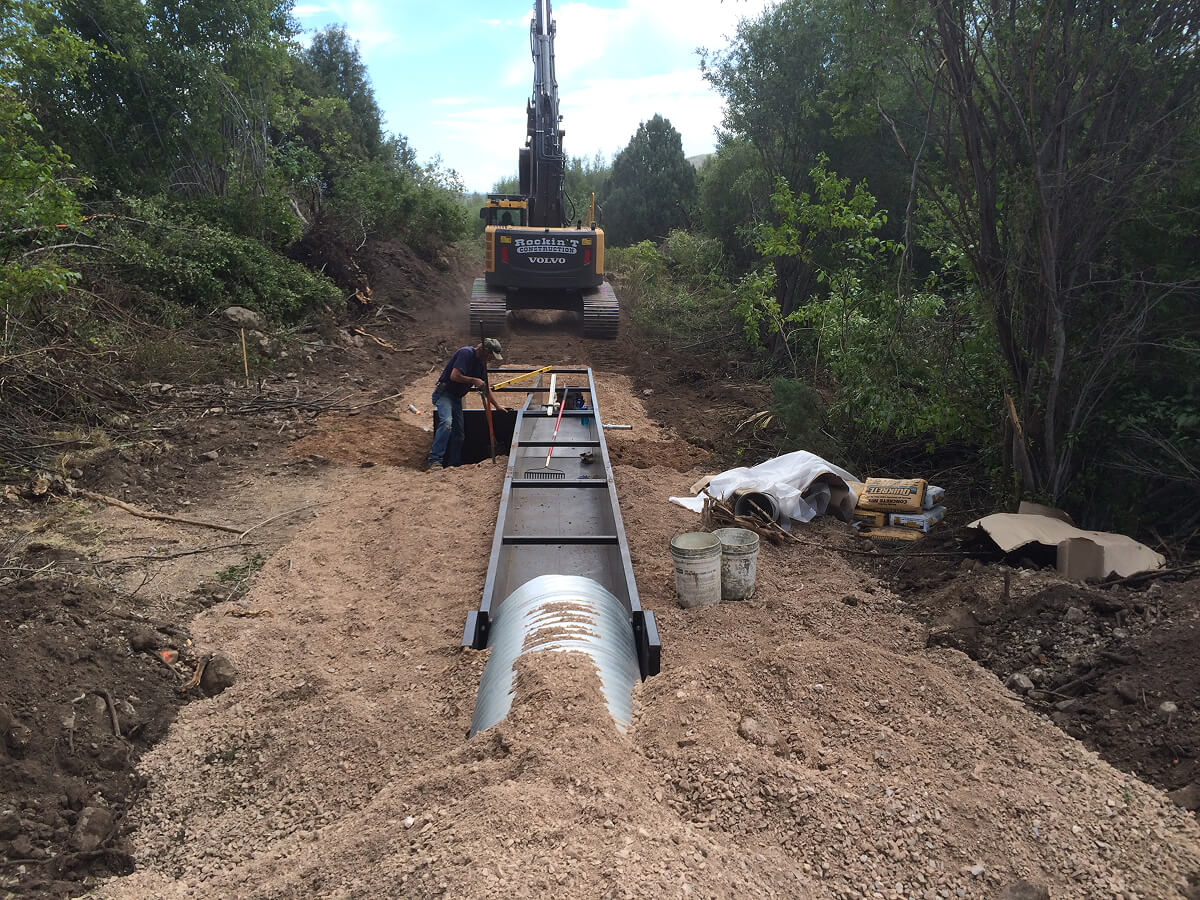
Pebble Creek Screen
11 cfs screen protects fish in Pebble Creek.
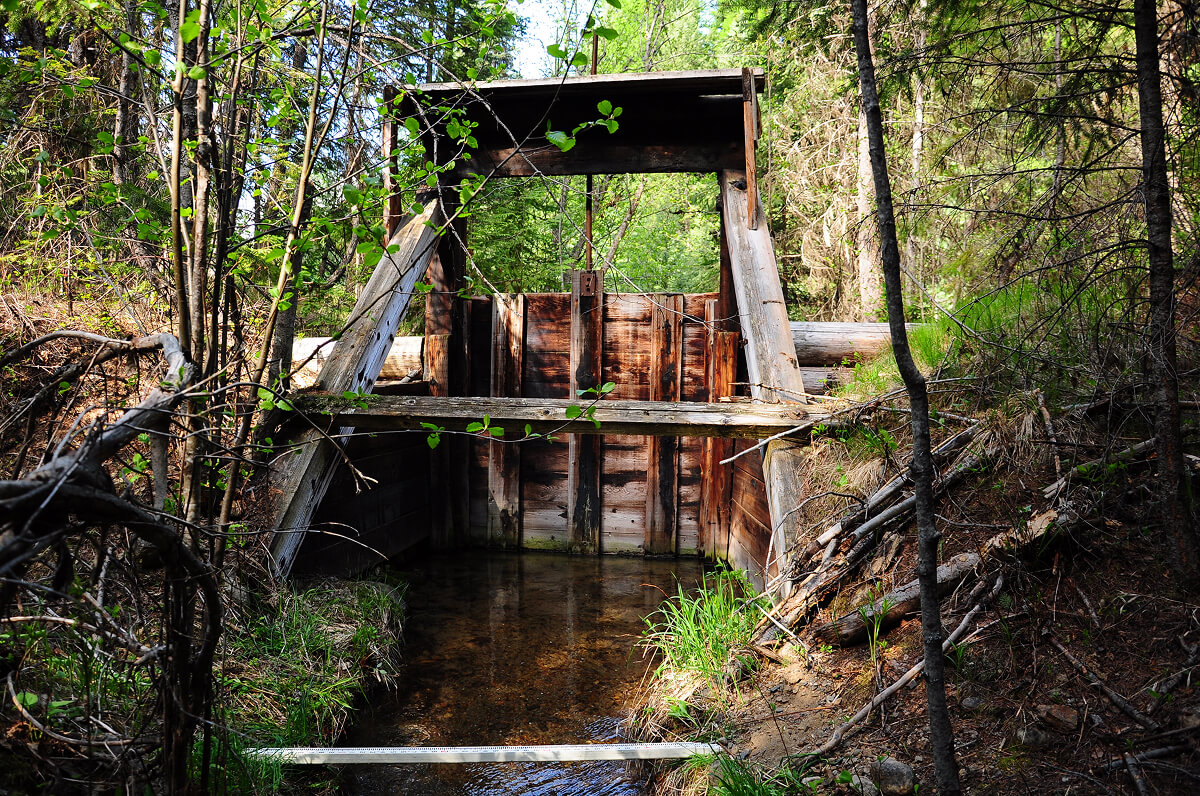
Cherry Creek Screen
Fish screen protects fish in eight miles of Big Cherry Creek. The diverted water will be used to fill and operate Double N Lake.
2014
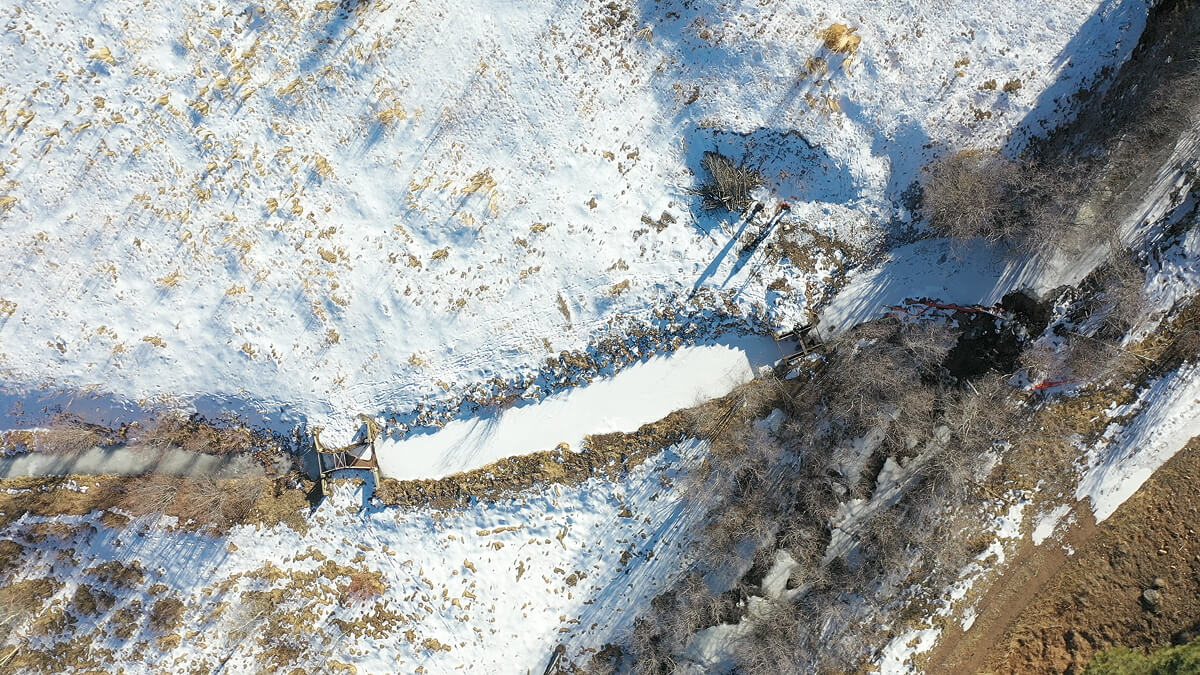
South Fork Gordon Creek Screen
A 2 cfs fish screen will be installed on the South Fork of Gordon Creek and used as the municipal water intake for the City of Corbett, Oregon. The project will improve fish access to approximately two miles of stream.
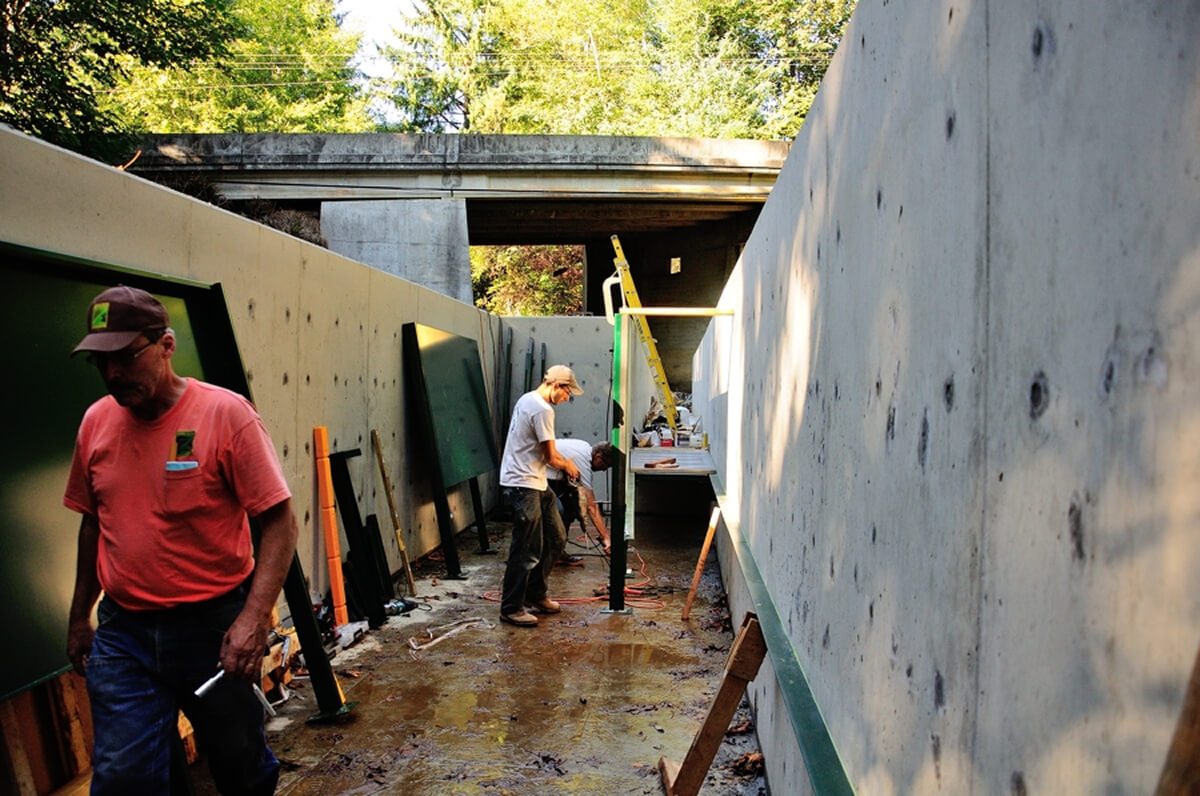
Klaskanine Hatchery Screen
15 cfs screen that was retrofitted into the old ODFW diversion and used to improve hatchery operations.
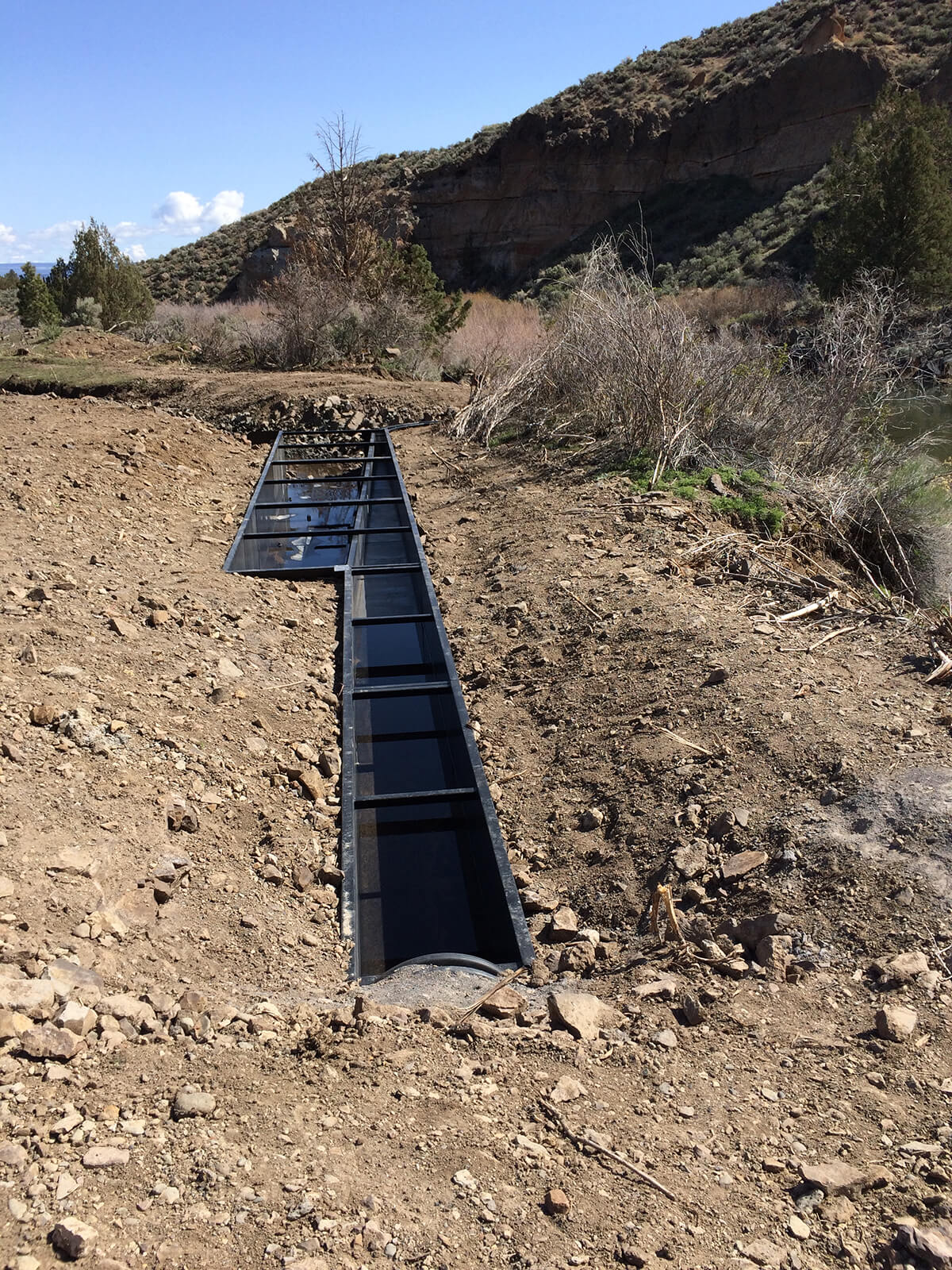
Twentymile Creek Screen
6 cfs screen used as a junior water right holder.
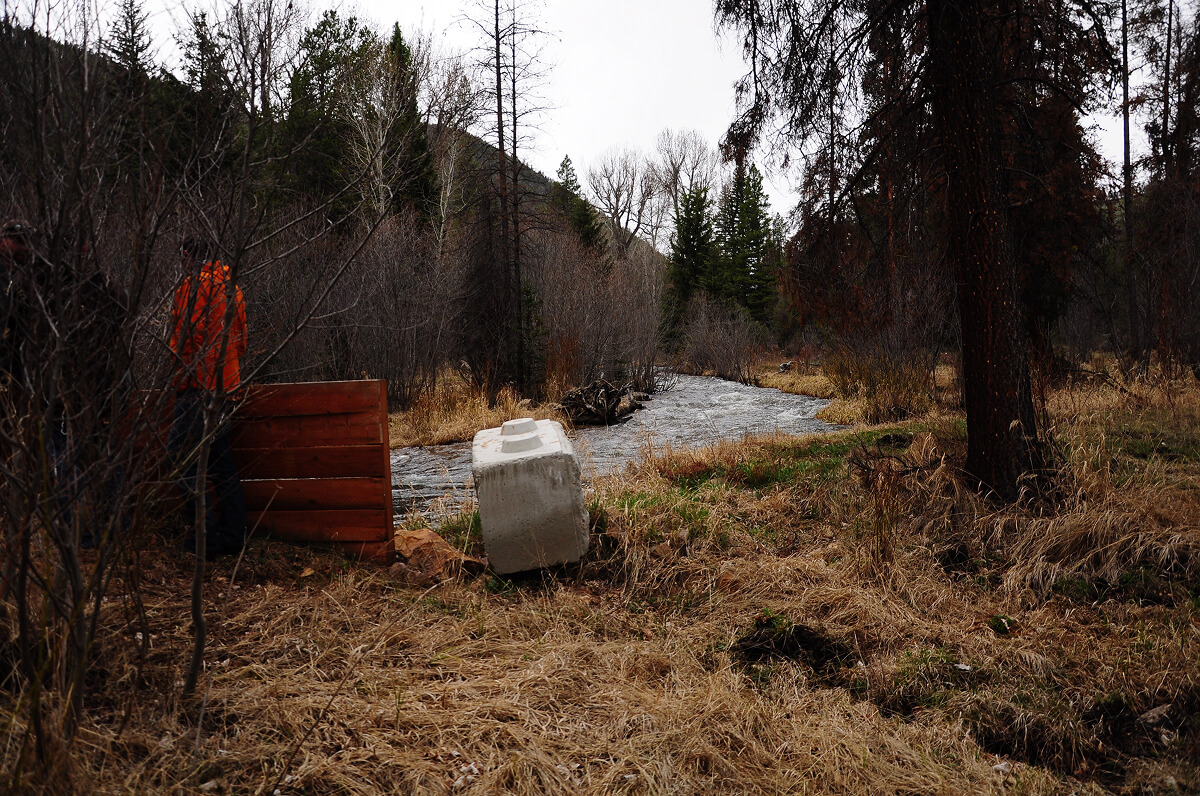
Stony Creek Screen
6 cfs screen protects fish in a 10 mile reach of Stony Creek.
2013
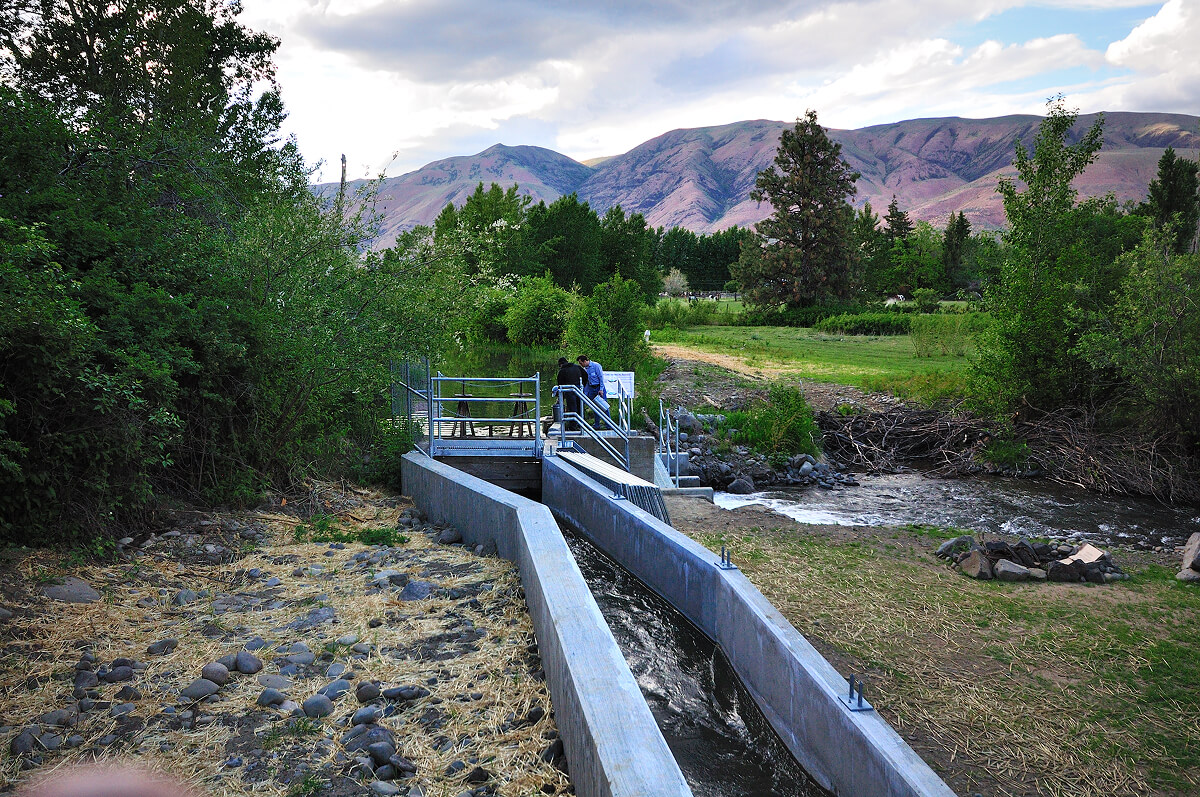
Scott Ditch Screen
26 cfs screen improves access for bull trout, steelhead, and Chinook salmon in the Naches River.
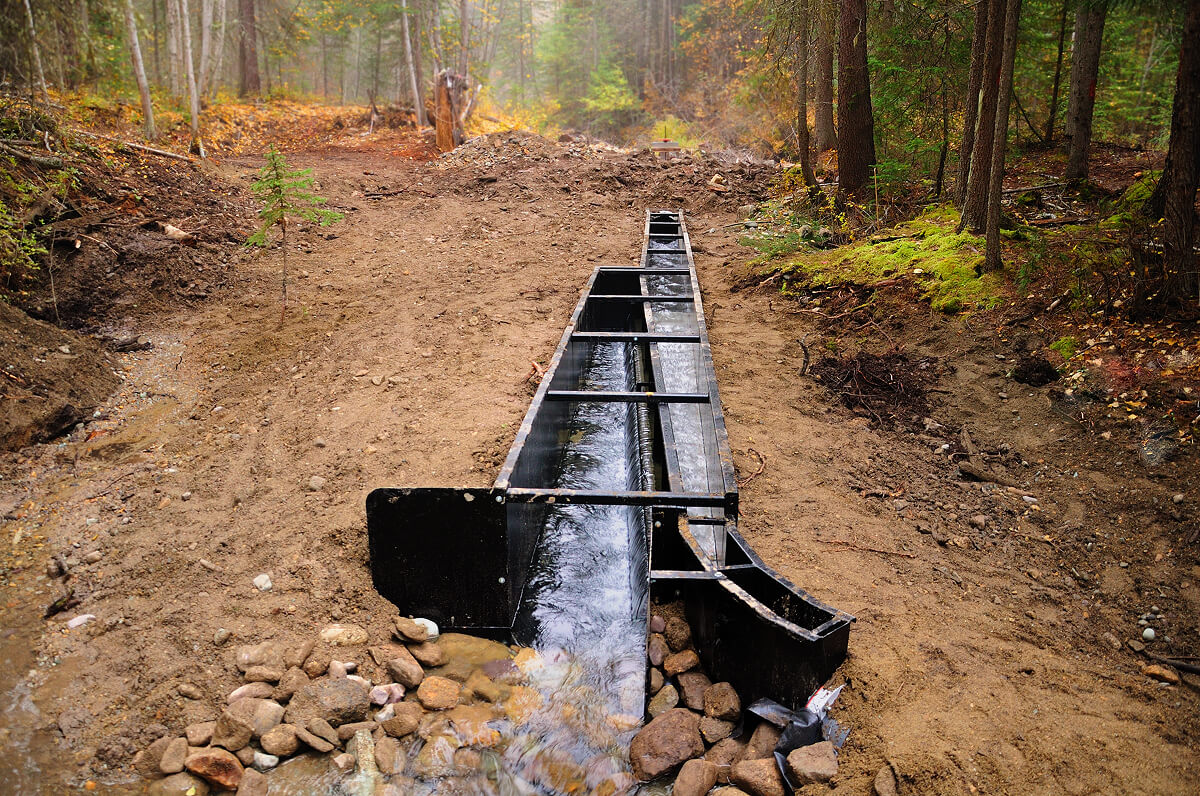
Deep Creek Screen
3 cfs screen protects redband, bull, and cutthroat trout in Deep Creek fish hatchery.
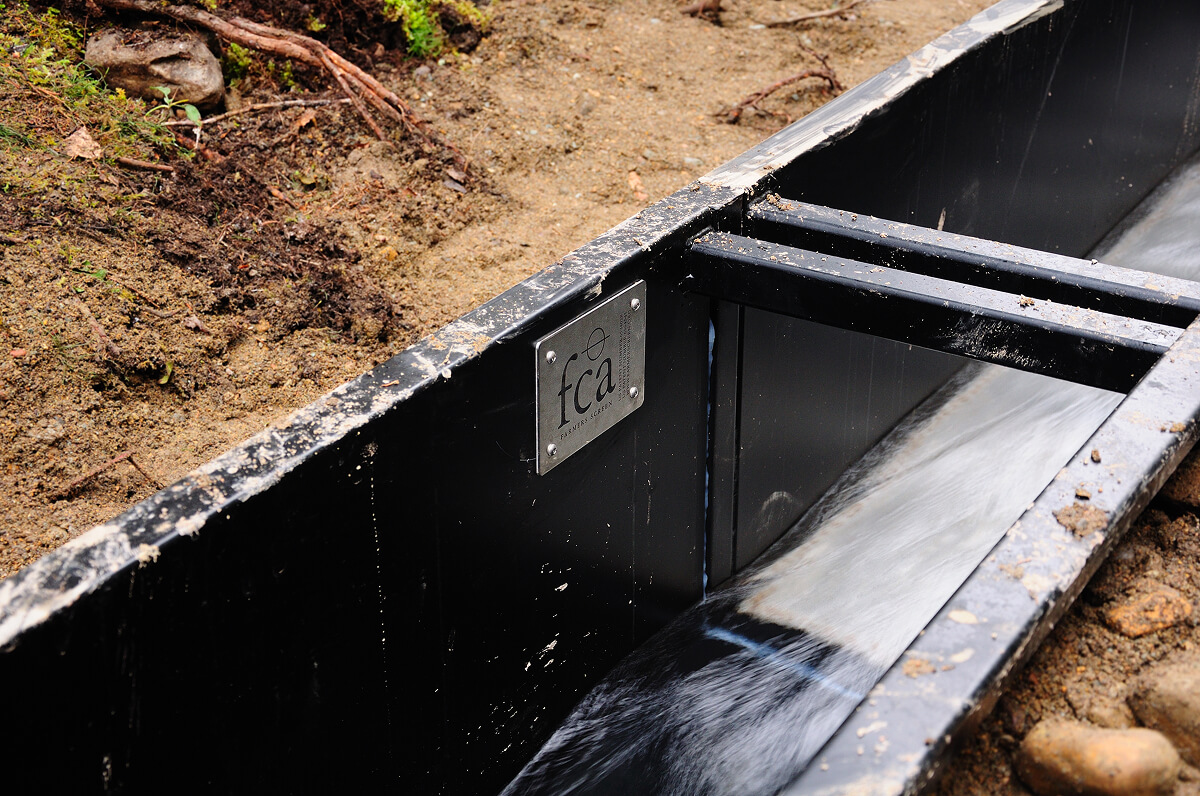
Riversong Turnout Screen Screen
1 cfs in-ditch screen used as an irrigation ditch turnout.
2012
Sixmile Creek Screen
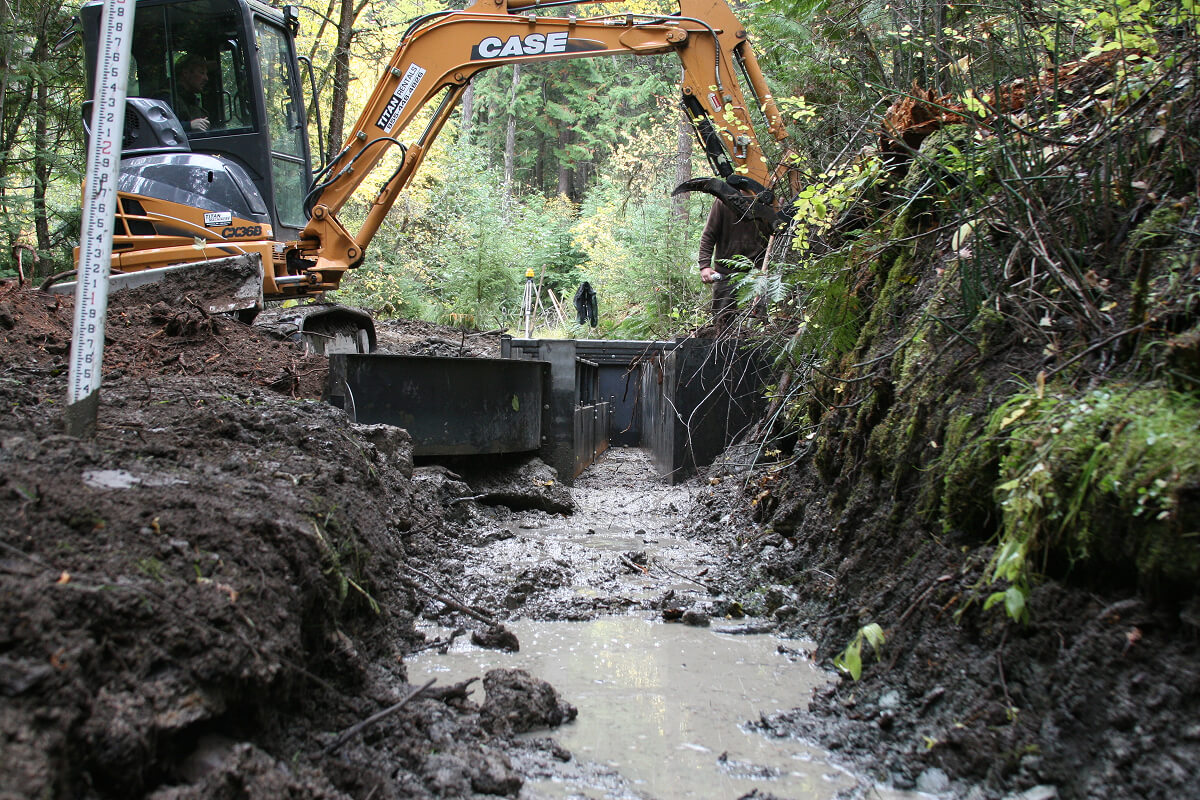
2.5 cfs screen improves access for Westslope cutthroat trout to 1.5 miles of Sixmile Creek.
Camp Creek Screen
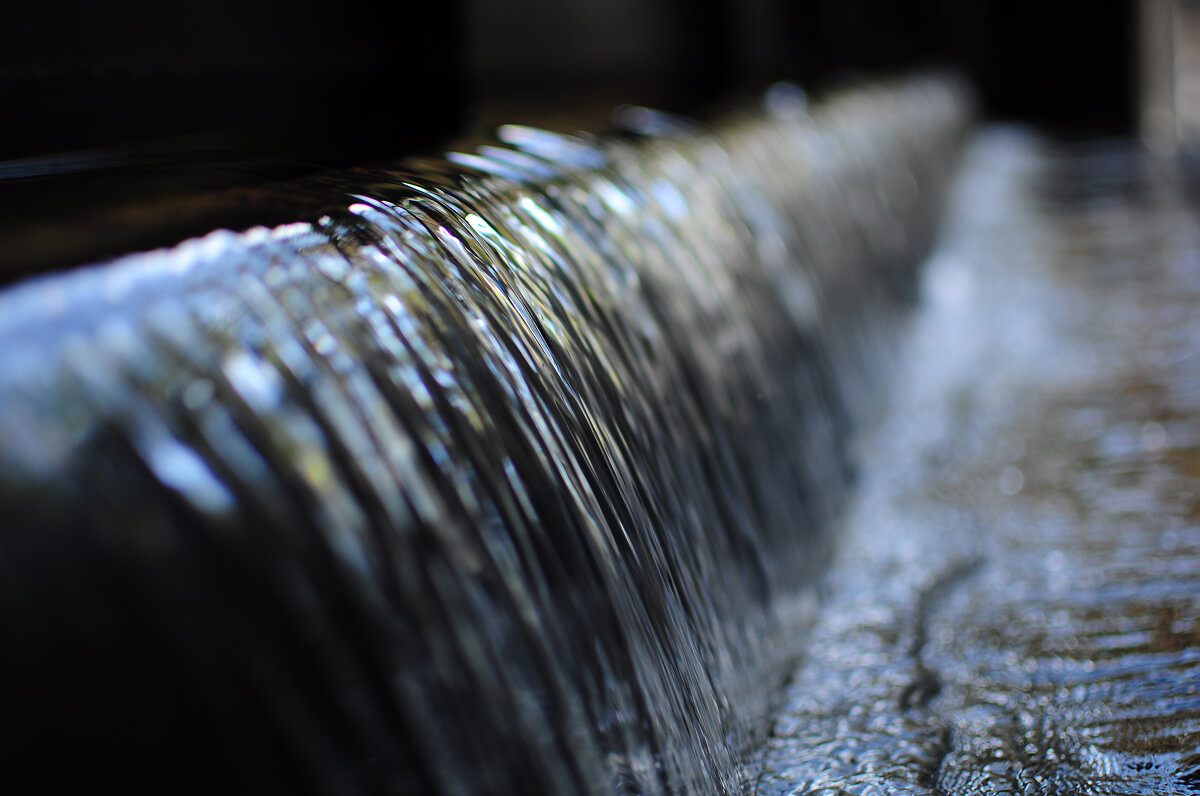
2.5 cfs screen improves access to 1 mile of Camp Creek for fish habitat.
North Fork Gordon Creek Screen
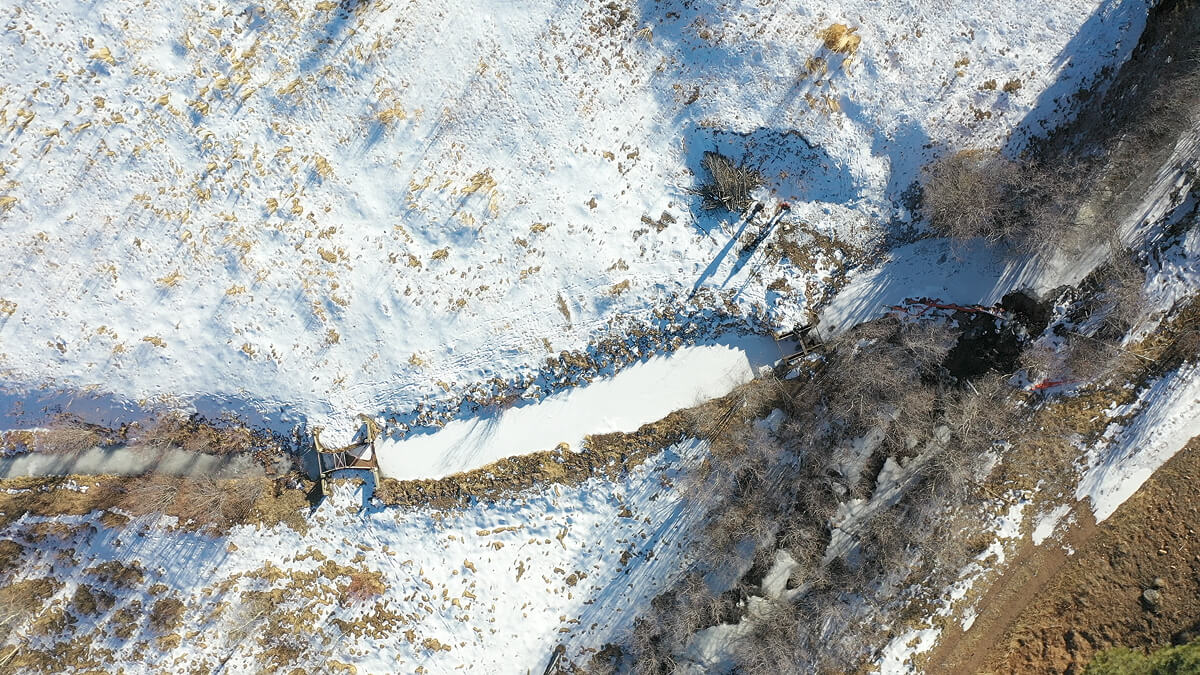
A 2.5 CFS fish screen serves as the municipal water supply intake for the City of Corbett, Oregon. The project improves access to approximately two miles of fish habitat and reduces operations and maintenance costs by about $5,000 annually.
Badger Creek Screen
30 cfs screen improvess access to 7 miles of Badger Creek for redband trout.
2011
Wychuss Creek Screen
160 cfs screen improves access to fish habitat in Wychuss Creek.
2010
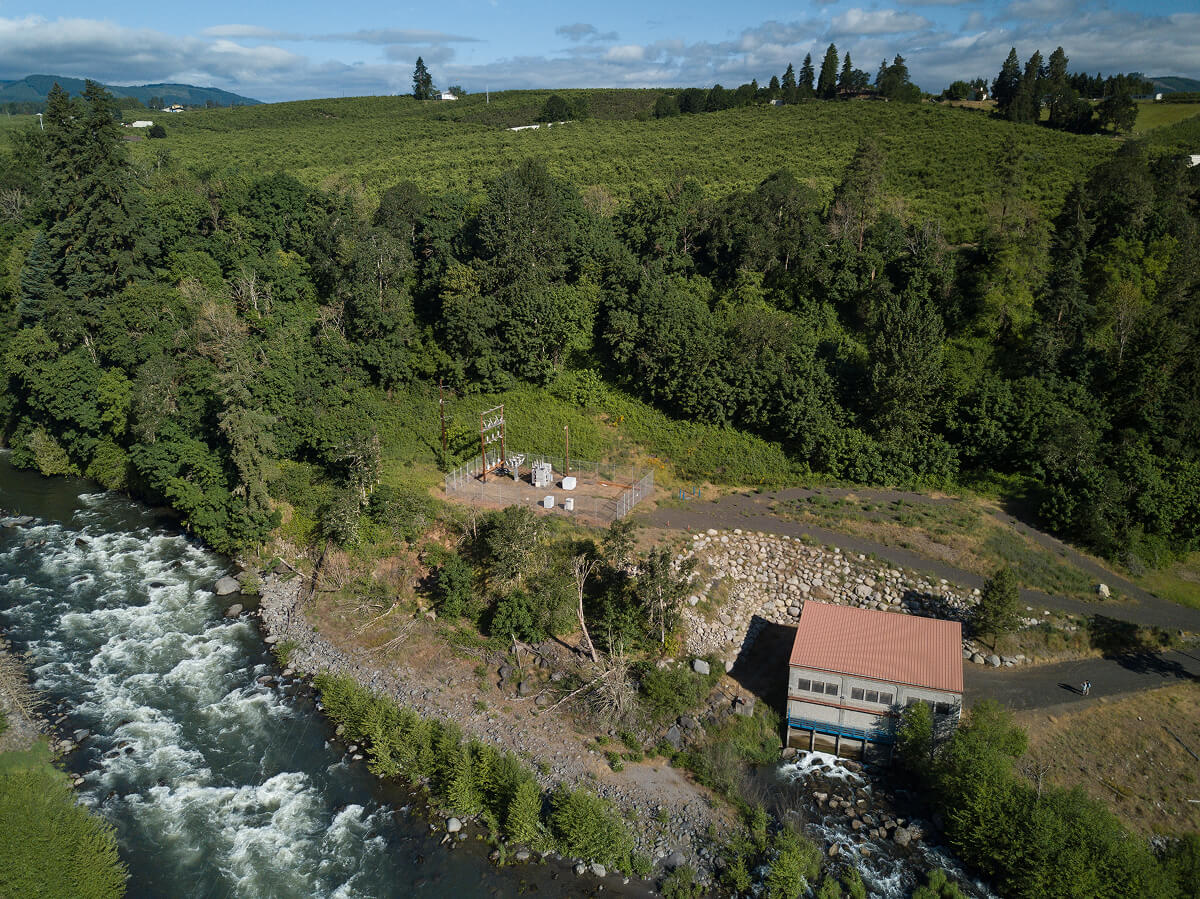
FID Forebay Screen
75 cfs screen used to keep debris out of the district’s hydroelectric system. Annual O&M savings of $84,950.
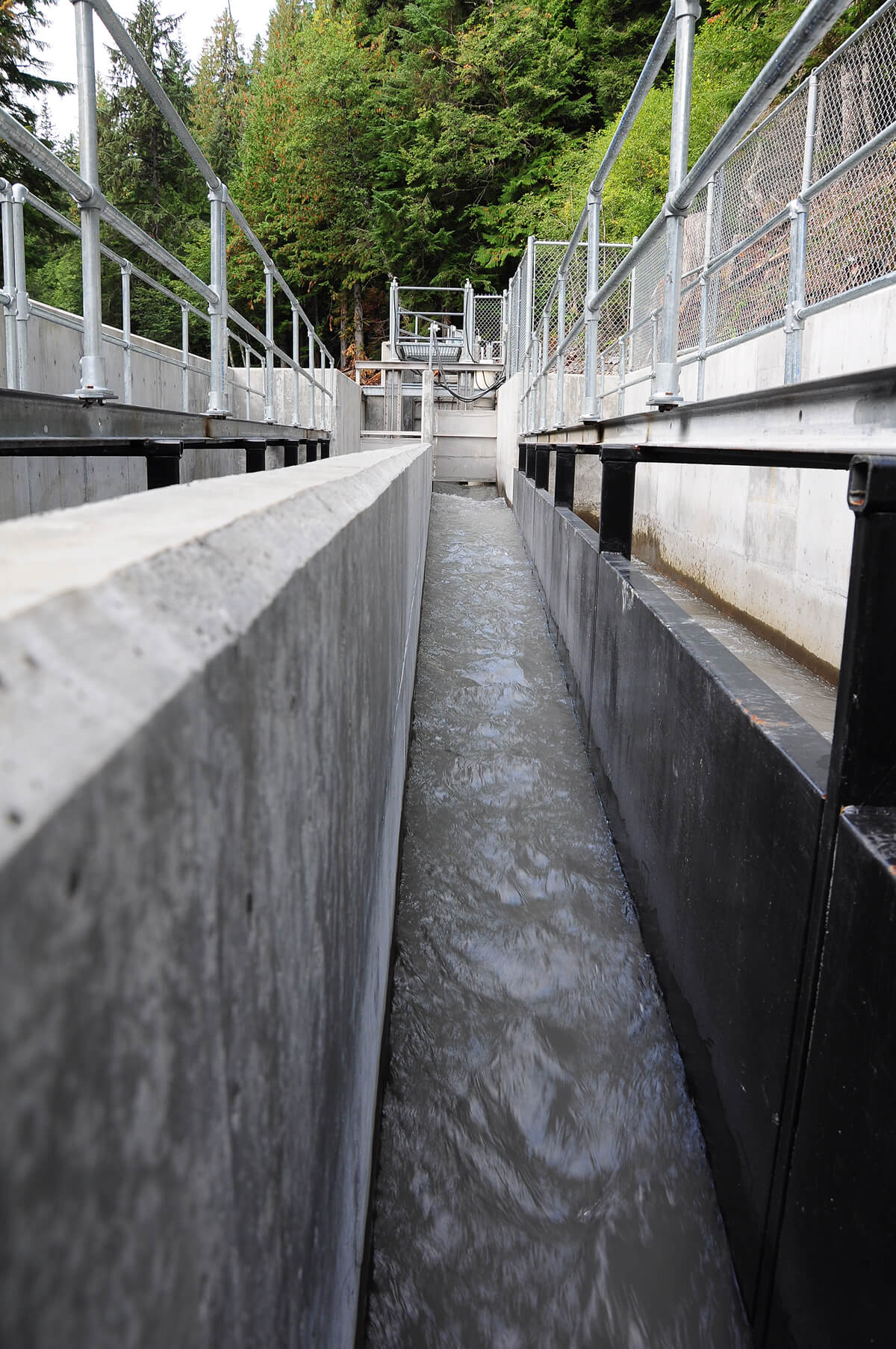
Dead Point Screen
15 cfs screen on Dead Point Creek improves access to 8.5 miles of fish habitat for cutthroat and rainbow trout.
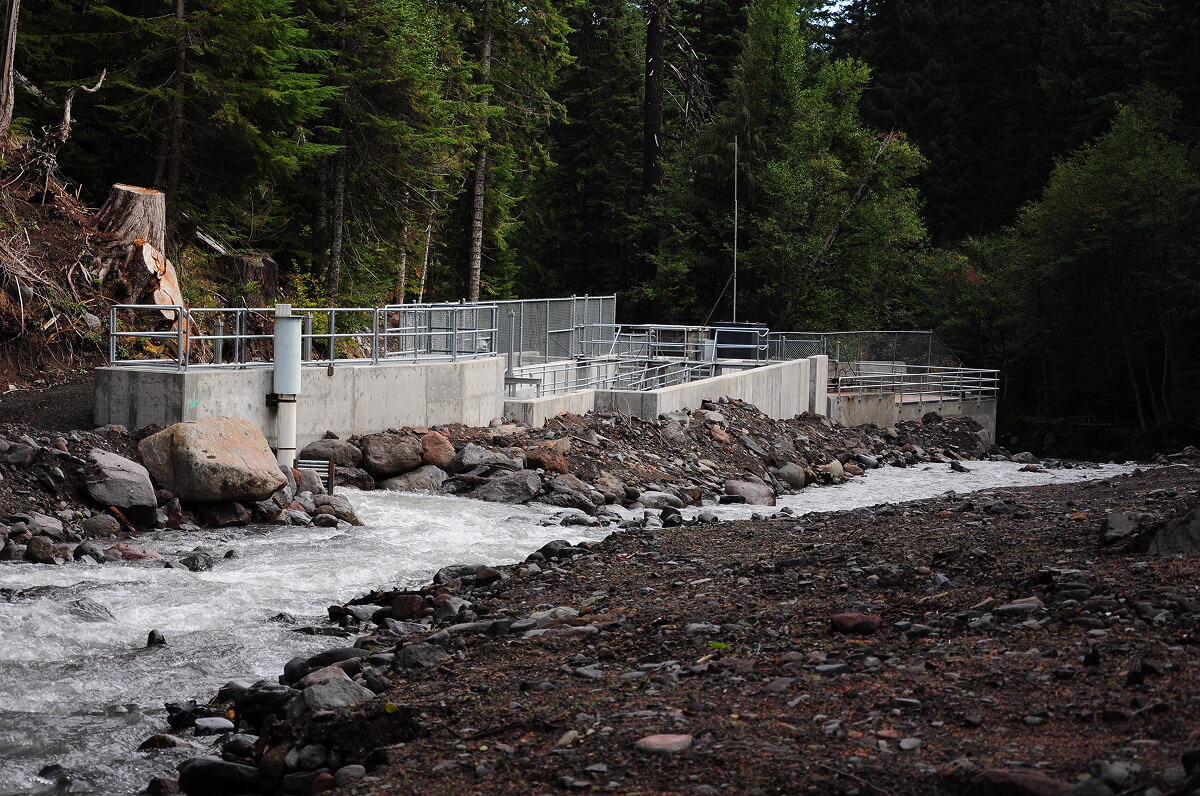
Coe Creek Screen
36 cfs screen on Coe Branch improves access to 3 miles of fish habitat for bull trout.
2009
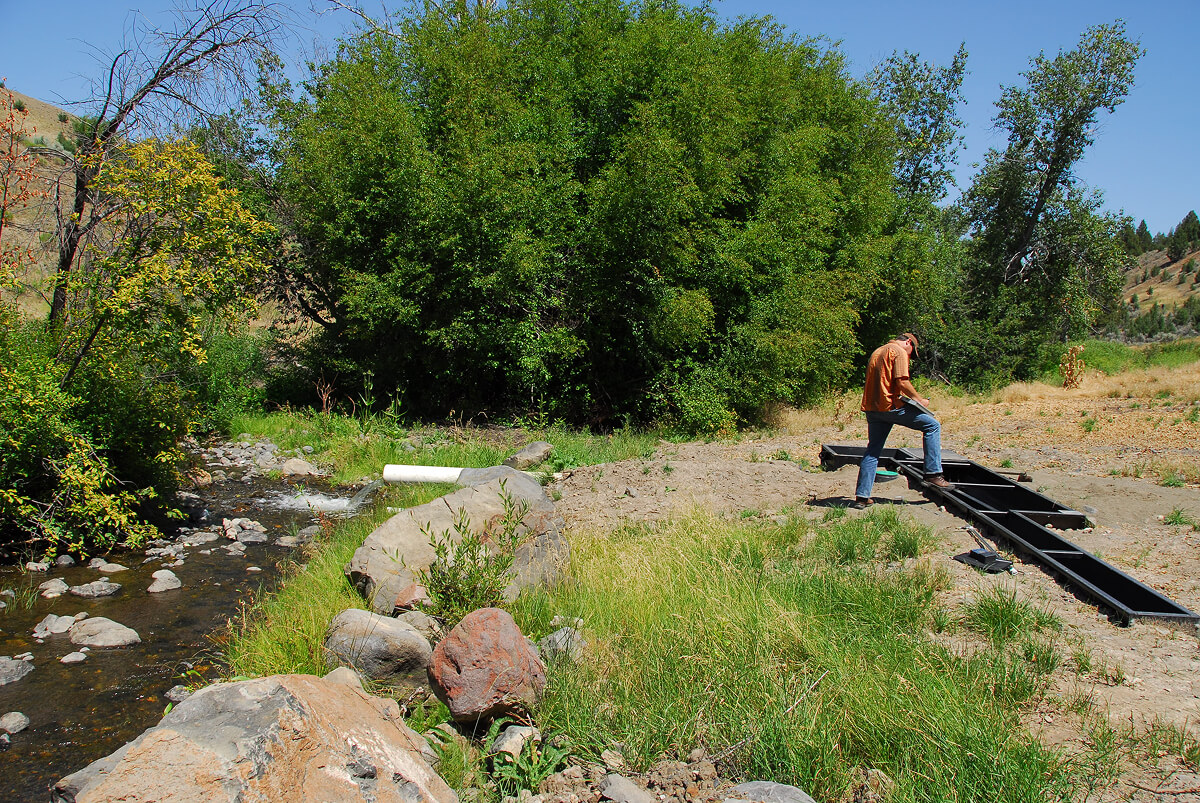
Widows Creek Screens
3 cfs screen on Widows Creek, ODFW chose the Farmers Screen after testing numerous fish screens.
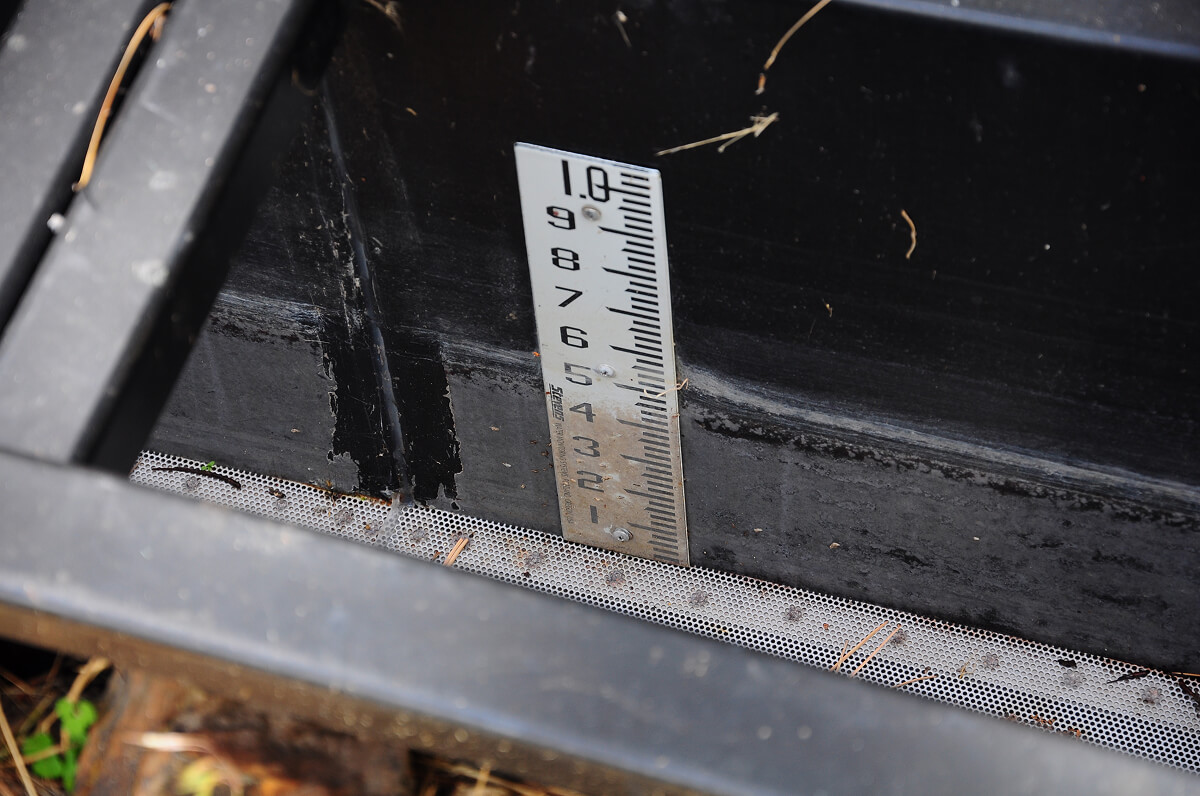
Wolf Creek Screen
2.5 cfs screen improves access to fish habitat on Wolf Creek.
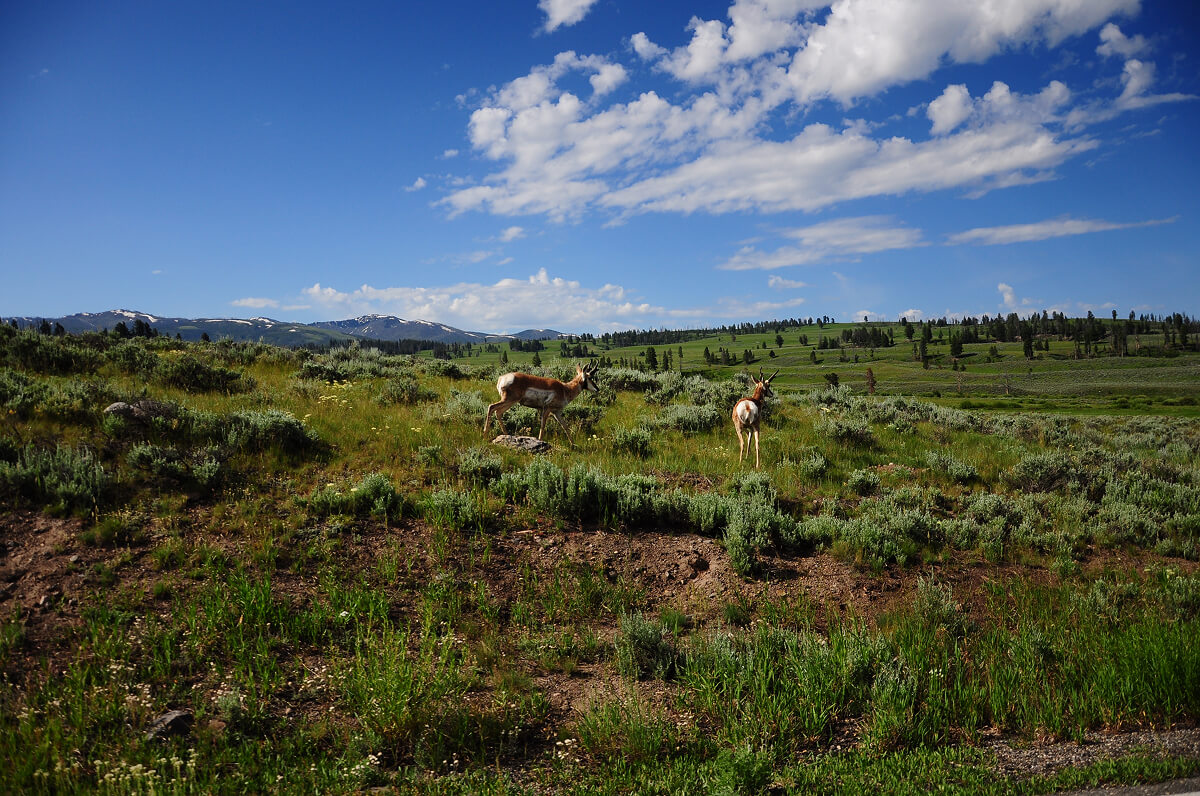
Trout Creek Screen
1.5 cfs screen improves access to 5 miles of fish habitat in Trout Creek.
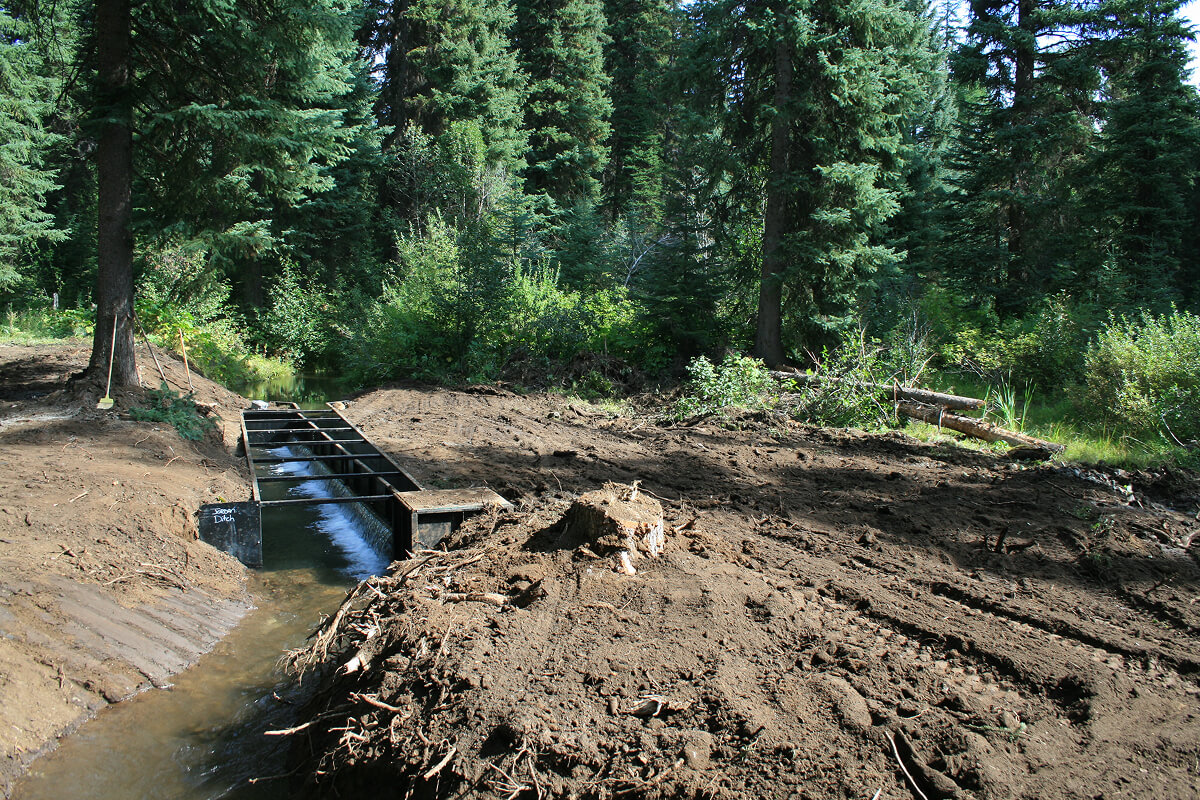
Jordan Ditch Screen
7.5 cfs screen improves access to 20 miles of stream in Wolf Creek to bull, redband, and rainbow trout. O&M savings of $3,000 annually.
2008
Berry Creek Screen
1.5 cfs screen improves access to fish habitat in Berry Creek.
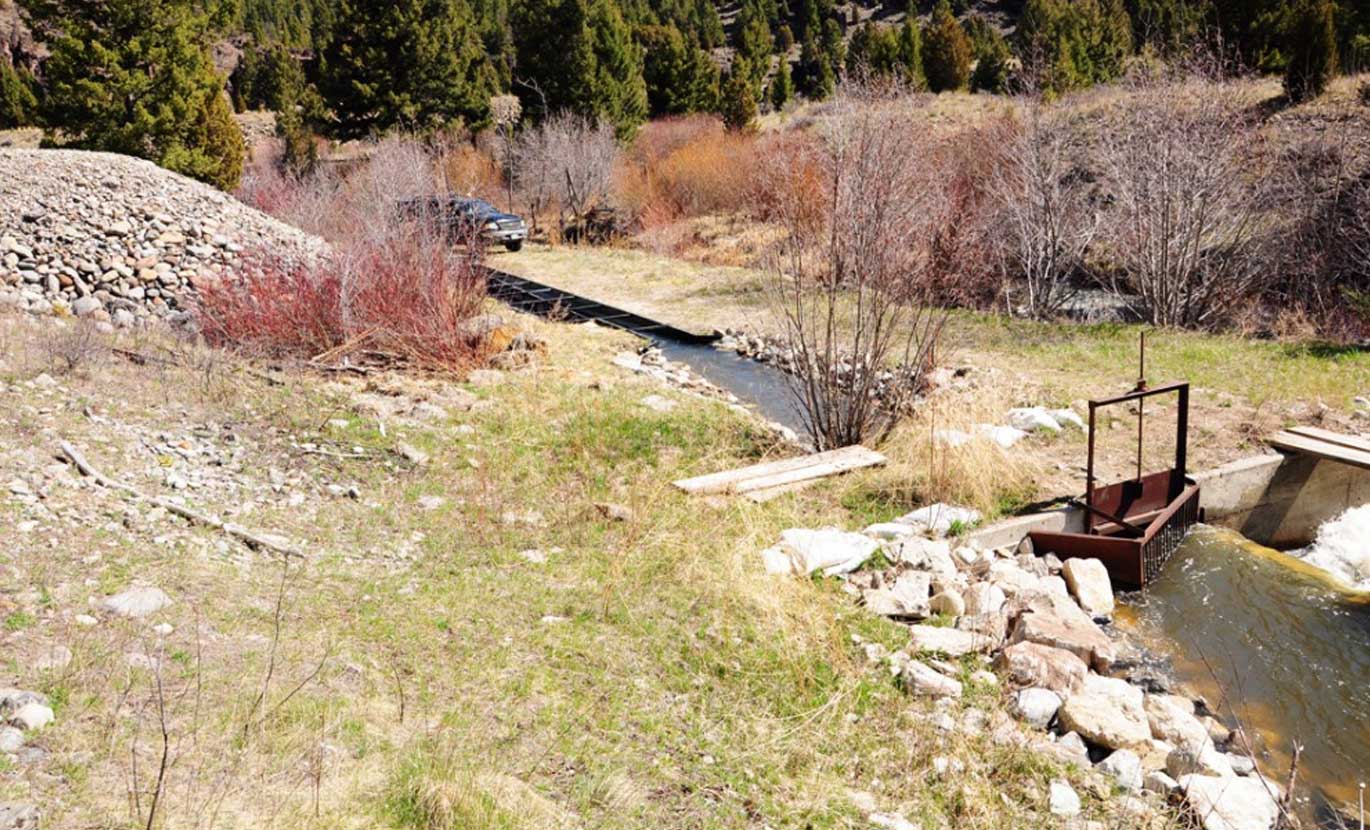
German Gulch Screen
Improves access to 10 miles of fish habitat in Beef Straight Creek. O&M savings of $10,500 annually.
Glendale Ditch Screen
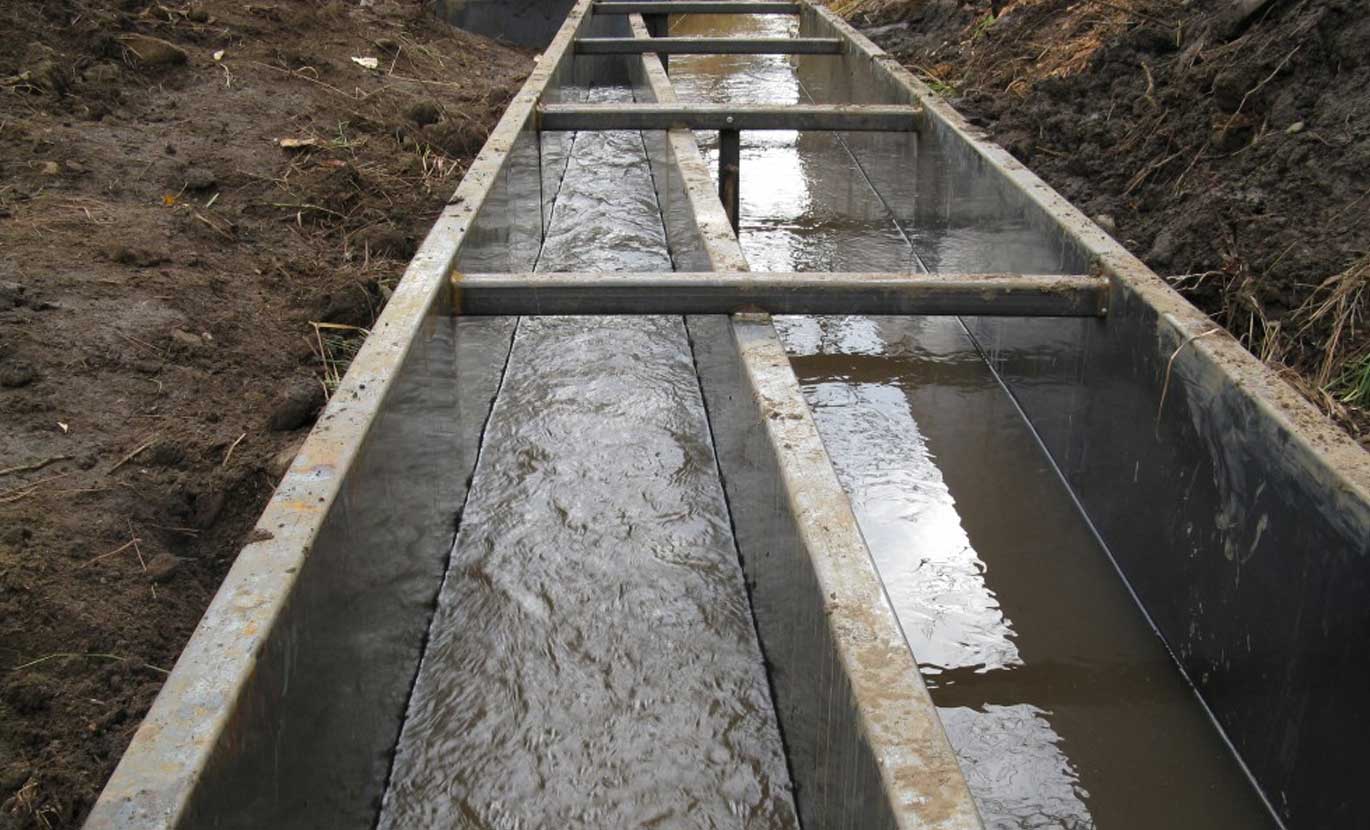
2.5 cfs screen improving access to 2.5 miles of fish habitat in Weiser River. O&M savings of $4,500 annually.
Fish Haven Screens
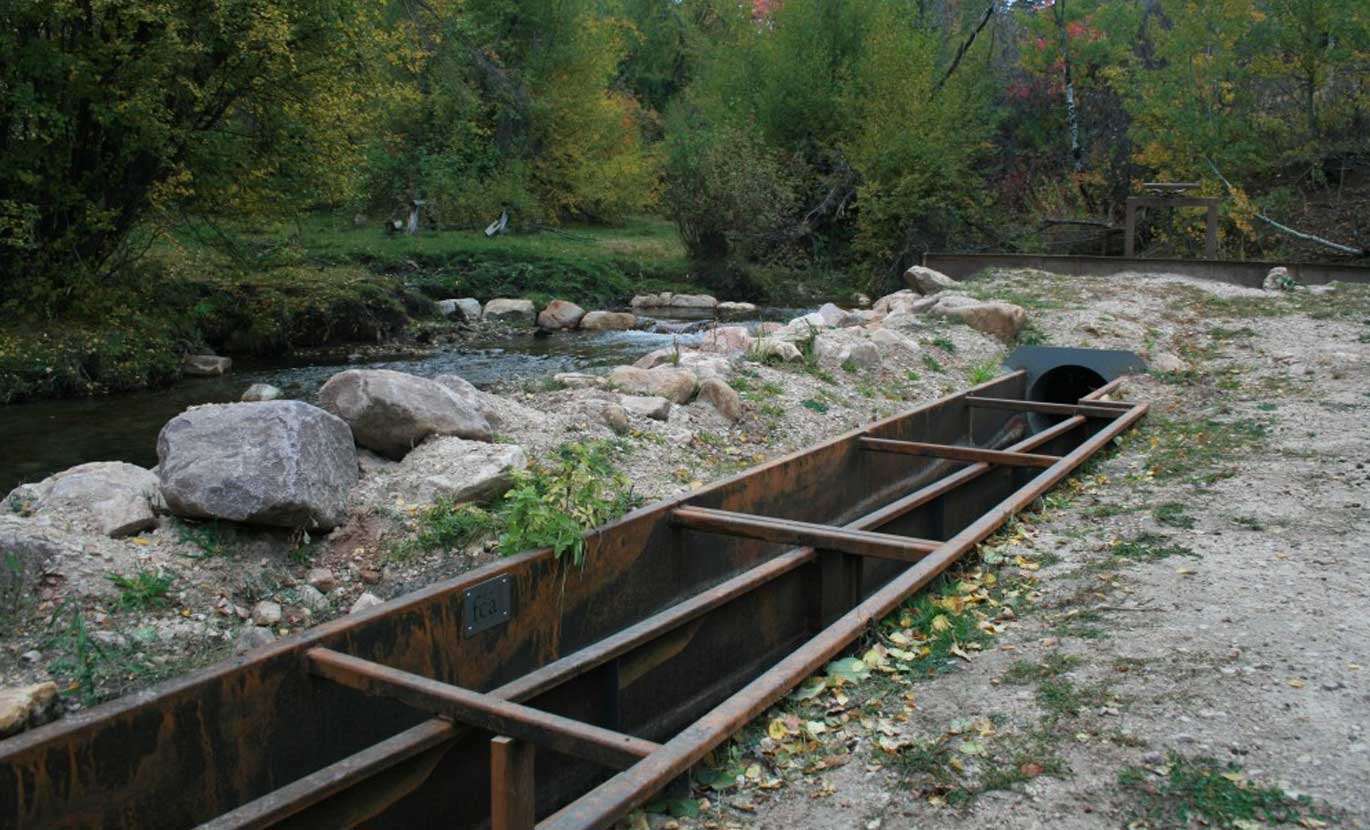
7.5 cfs screen improves fish habitat on Fish Haven Creek.
Herman Creek Screen
15 cfs screen improves access to 5 miles of fish habitat in Herman Creek and is used for hatchery operations to protect Chinook, sockeye, and coho salmon. O&M savings of $15,000 annually.
Lacomb/ Crabtree Creek Screen
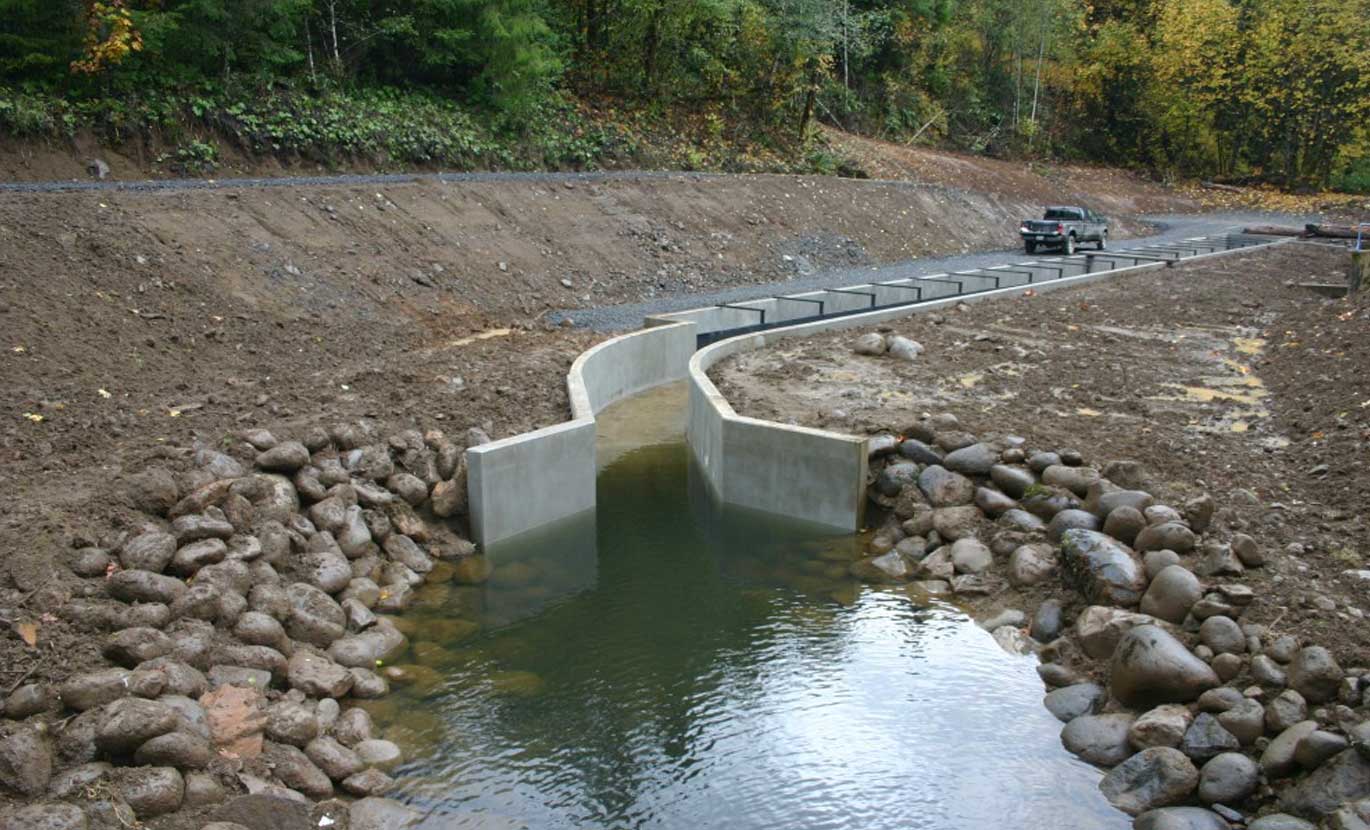
65 cfs screen improves access to 13.5 miles of fish habitat in Crabtree Creek.
2007
Eliot Creek Screen
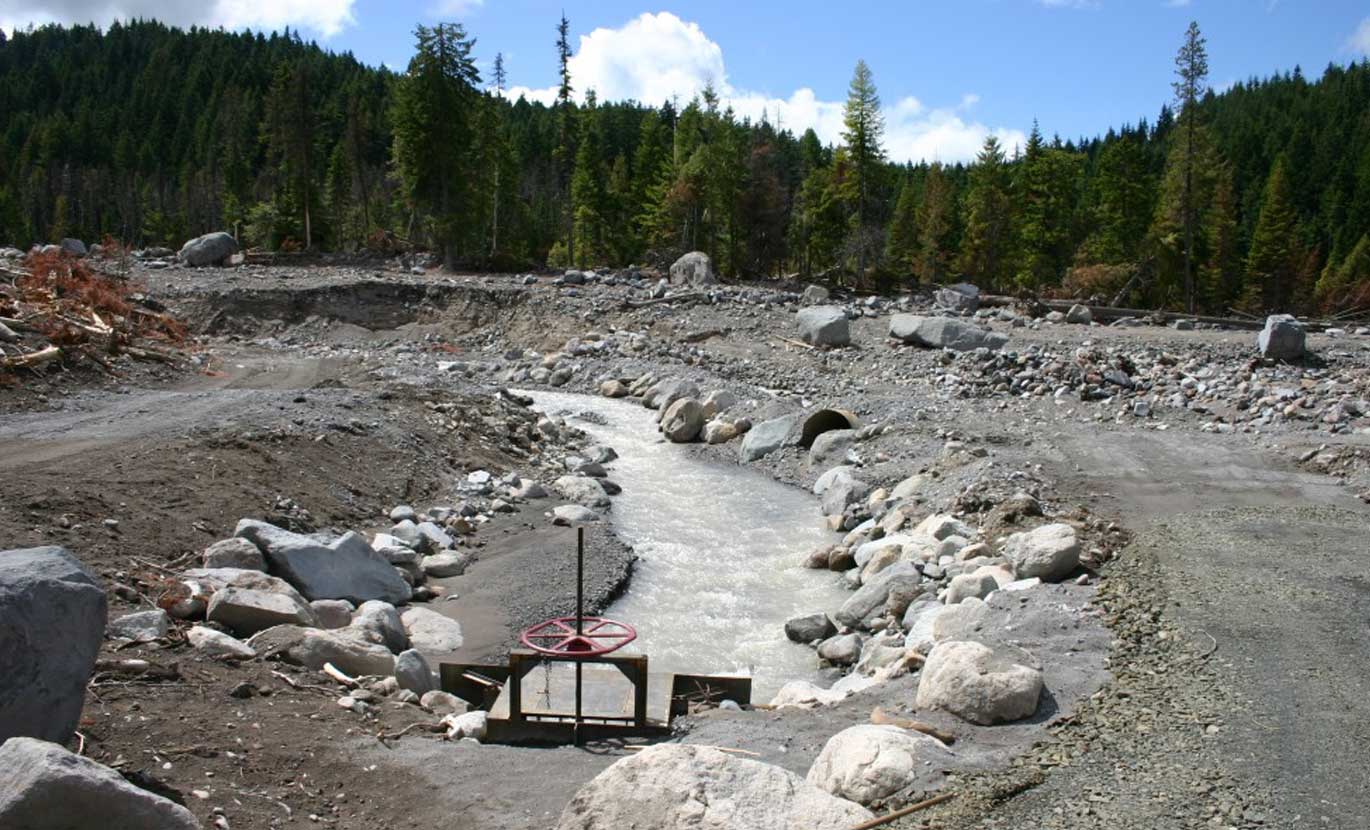
30 cfs screen improves access to 2 miles for bull trout in Eliot Creek. O&M savings of $10,000 annually
2006
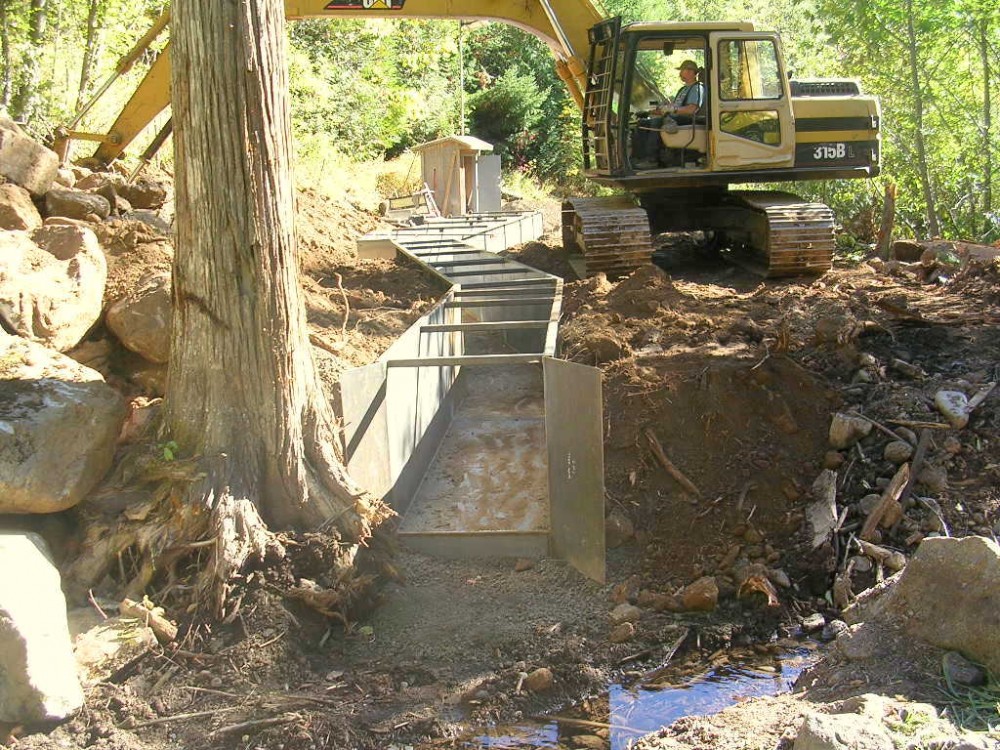
North Green Point Screen
15 cfs screen improves access for steelhead and Chinook salmon in 5 miles of North Fork Green Point Creek. O&M savings of $1,200 annually.
2005
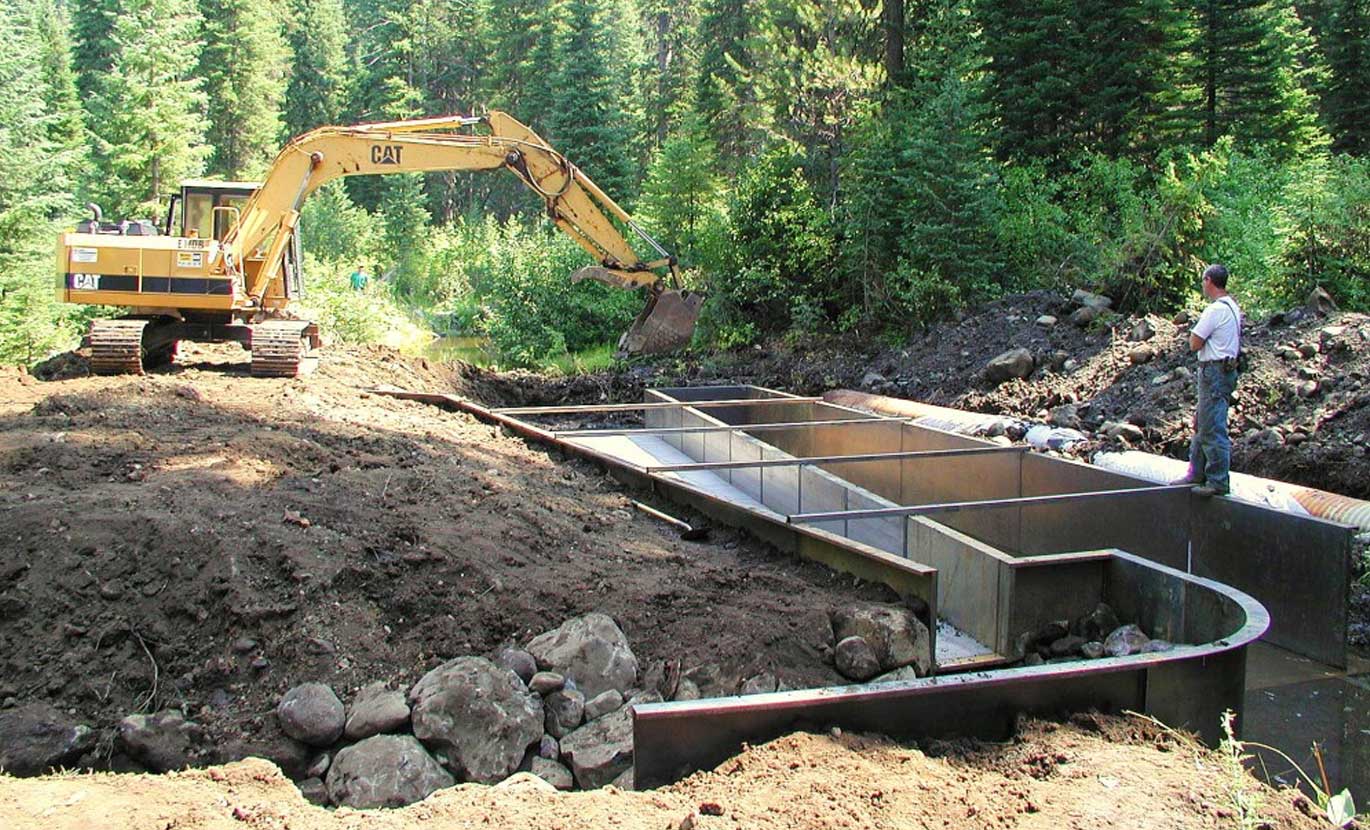
East Fork Screen
15 cfs screen improves access to fish habitat in 20 miles of the East Fork Weiser River. O&M savings of $24,000 annually
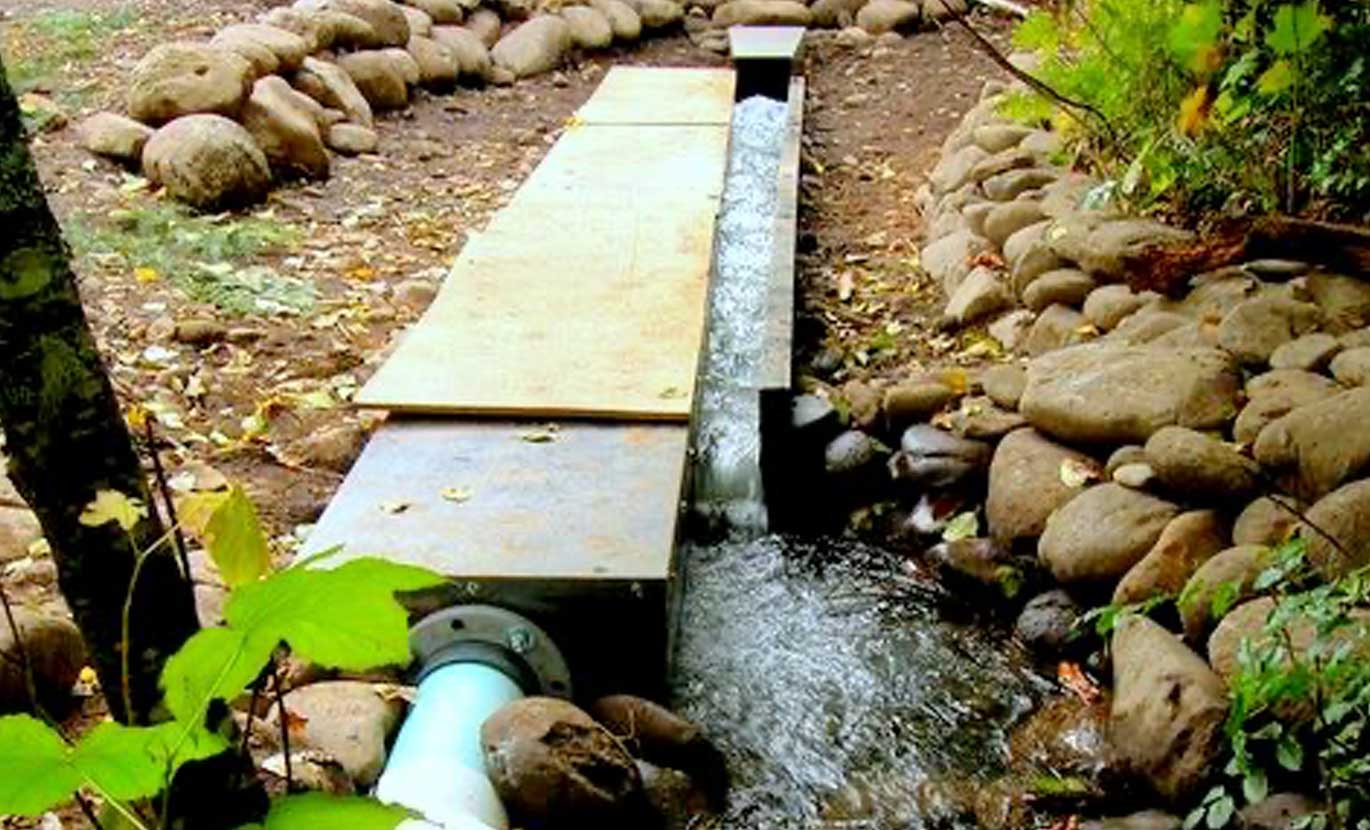
Tony Creek Screen
2 cfs screen improves access for bull trout and steelhead in Tony Creek.
2003
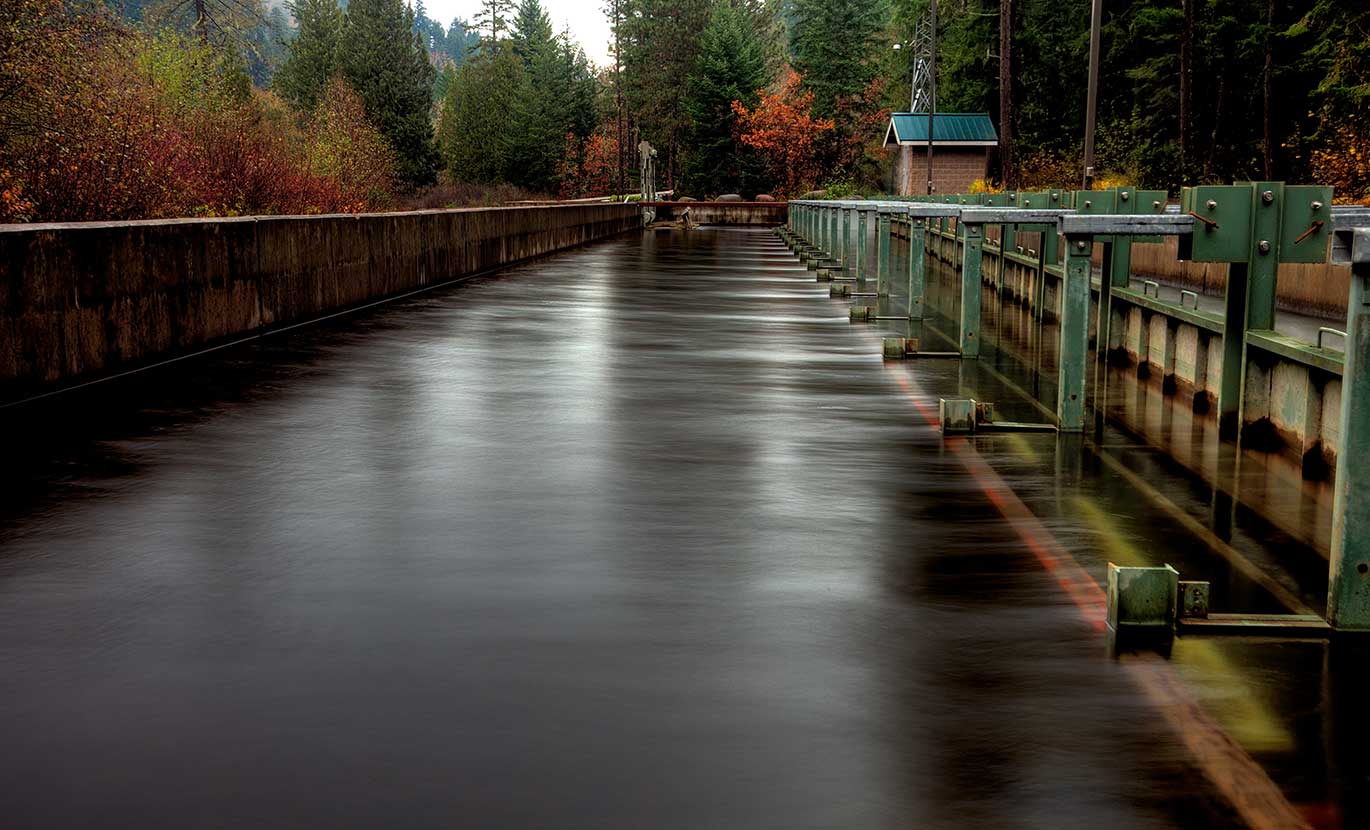
Davenport Screen
85 cfs screen improves access for bull and steelhead trout, coho and Chinook Salmon in 5 miles of the mainstem Hood River. O&M savings of $127,500 annually.
2026
East Fork Irrigation District: Project Group 3: Central Service Area
East Fork Irrigation District (EFID) is modernizing its Central Service Area by replacing aging, leaky, or non-pressure-rated irrigation conveyance with buried, pressurized pipelines, as well as new turnouts and PRV stations. The modernization is designed to improve long-term irrigation water delivery reliability and efficiency while reducing operational losses that affect tributary water quality and summer streamflow in the system. Ongoing, projected benefits include an estimated 2 cfs dedicated instream for ESA-listed fish in the Hood River and 300 MWh/year of energy savings.
The work is part of a broader EFID modernization program that advanced through an NRCS NEPA process and continues through phased design and construction.
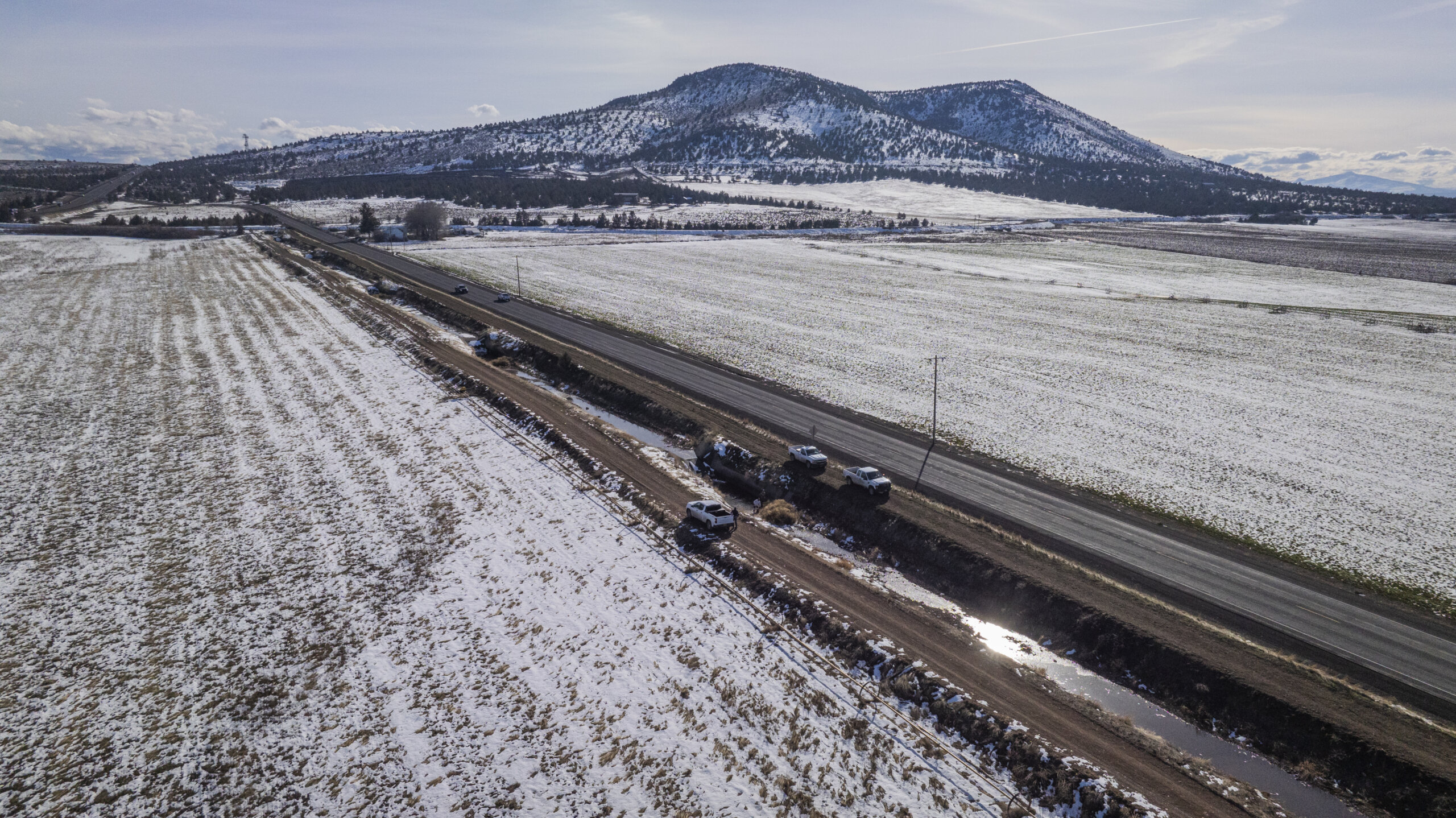
North Unit Irrigation District: Project Group 1: Lateral 43 Piping
This project will pipe 113,167 feet of Lateral 43 and install three pressure-reducing valves to improve system efficiency and reliability. The project is expected to save approximately 15.9 cfs of water annually. Of that amount, nearly 6.7 CFS will be dedicated instream during the winter months to support habitat in the Deschutes River. The project will also conserve an estimated 2,600 MWh of energy each year and avoid approximately 1,950 tons of CO₂ emissions annually.
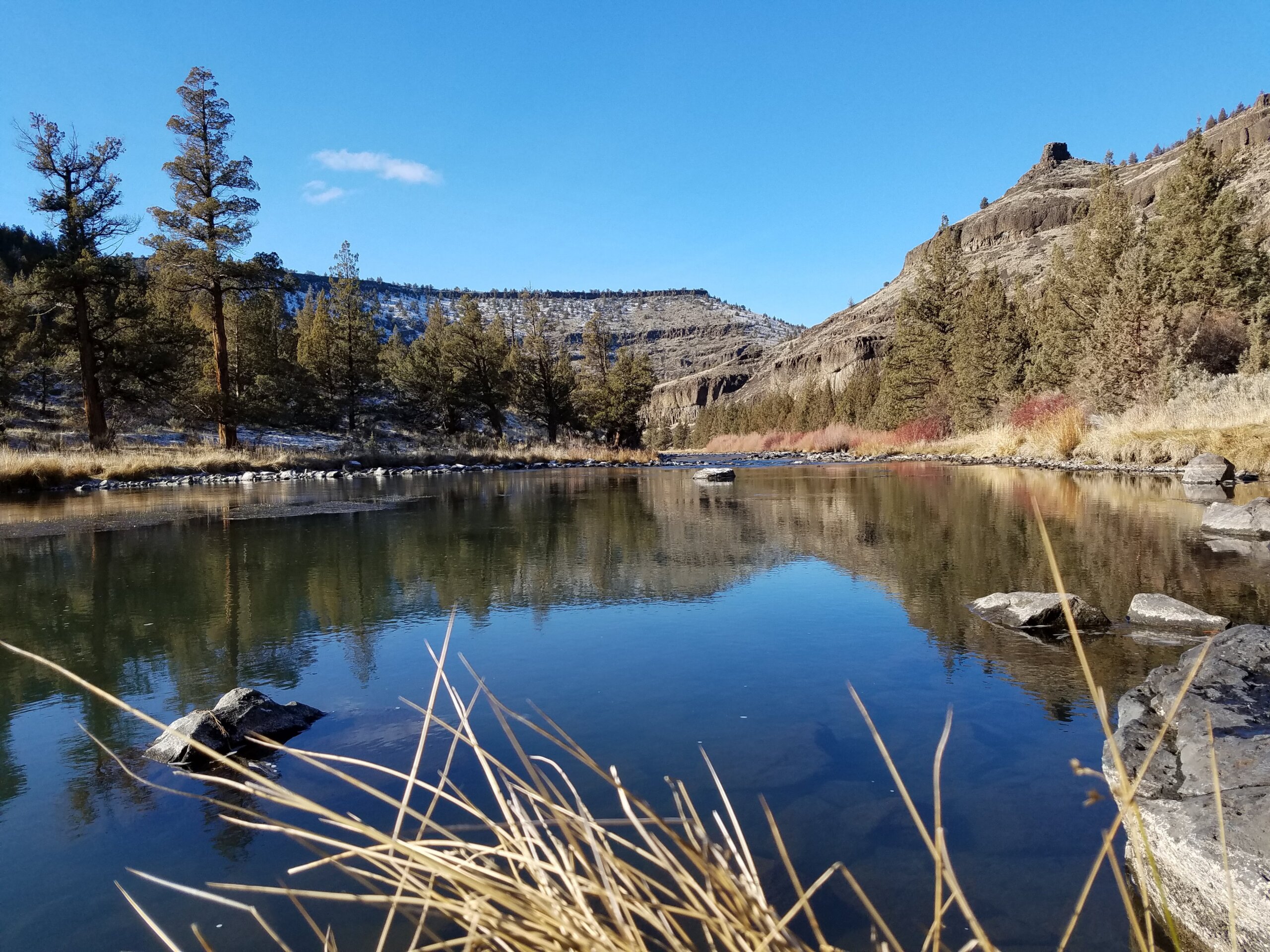
Ochoco Irrigation District: Project Group 1: McKay Switch
The ongoing piping project includes the McKay Pipeline, Cox Pump Station, Crooked River Canal bank raising, Crooked River Pump Stations #1 and #2, and the Ochoco Canal bank raising. This effort dedicates 11.2 cubic feet per second (CFS) of water to instream flows annually. The project will improve habitat for threatened and endangered species by restoring flow in McKay Creek.
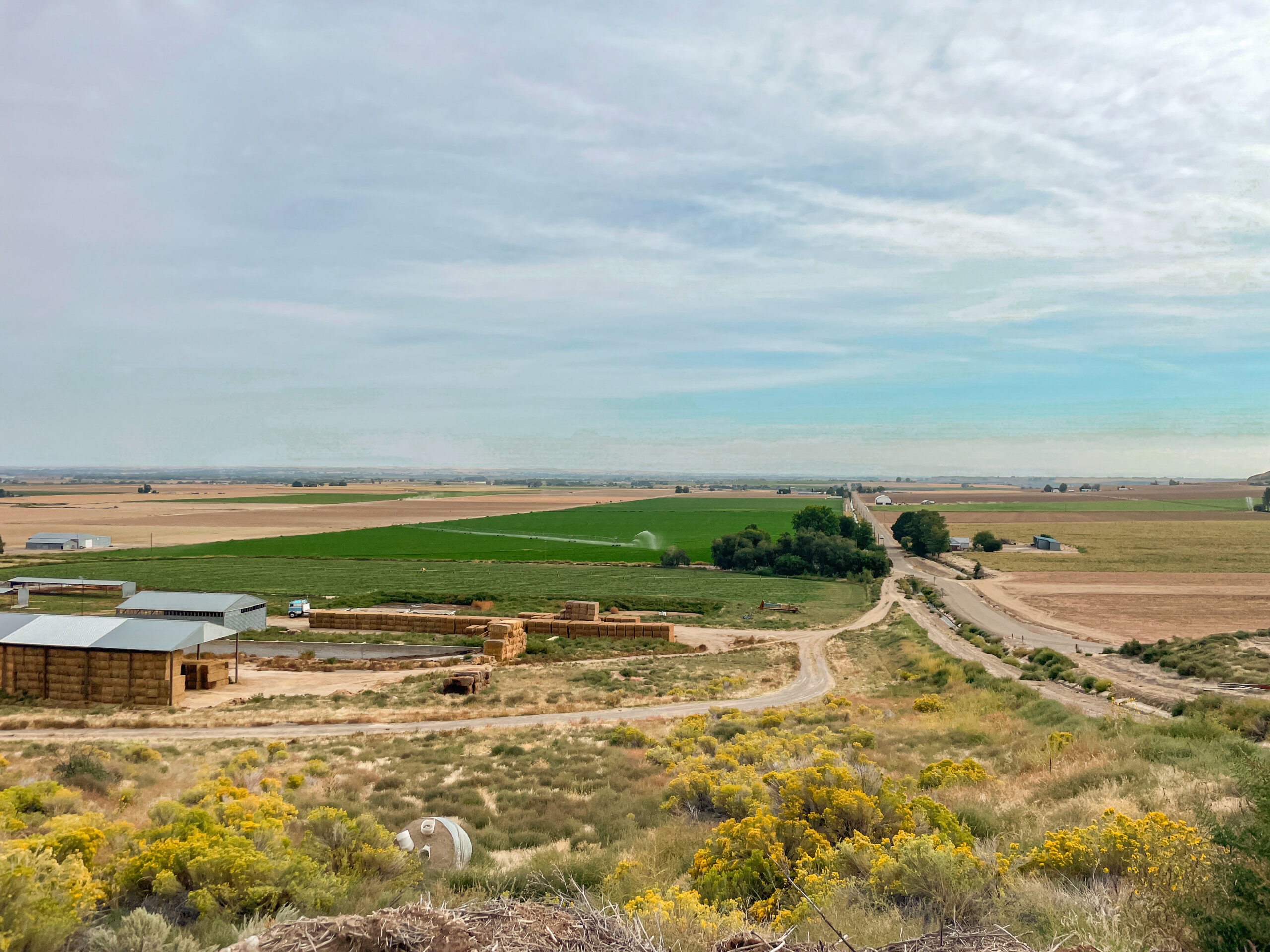
Owyhee Irrigation District: Kingman Lateral 1st Mile Piping
The project will pipe 5,900 feet of open canal from the head gates downstream to the tunnel on the Kingman Lateral. This improvement is expected to save approximately 0.65 cfs of water annually.
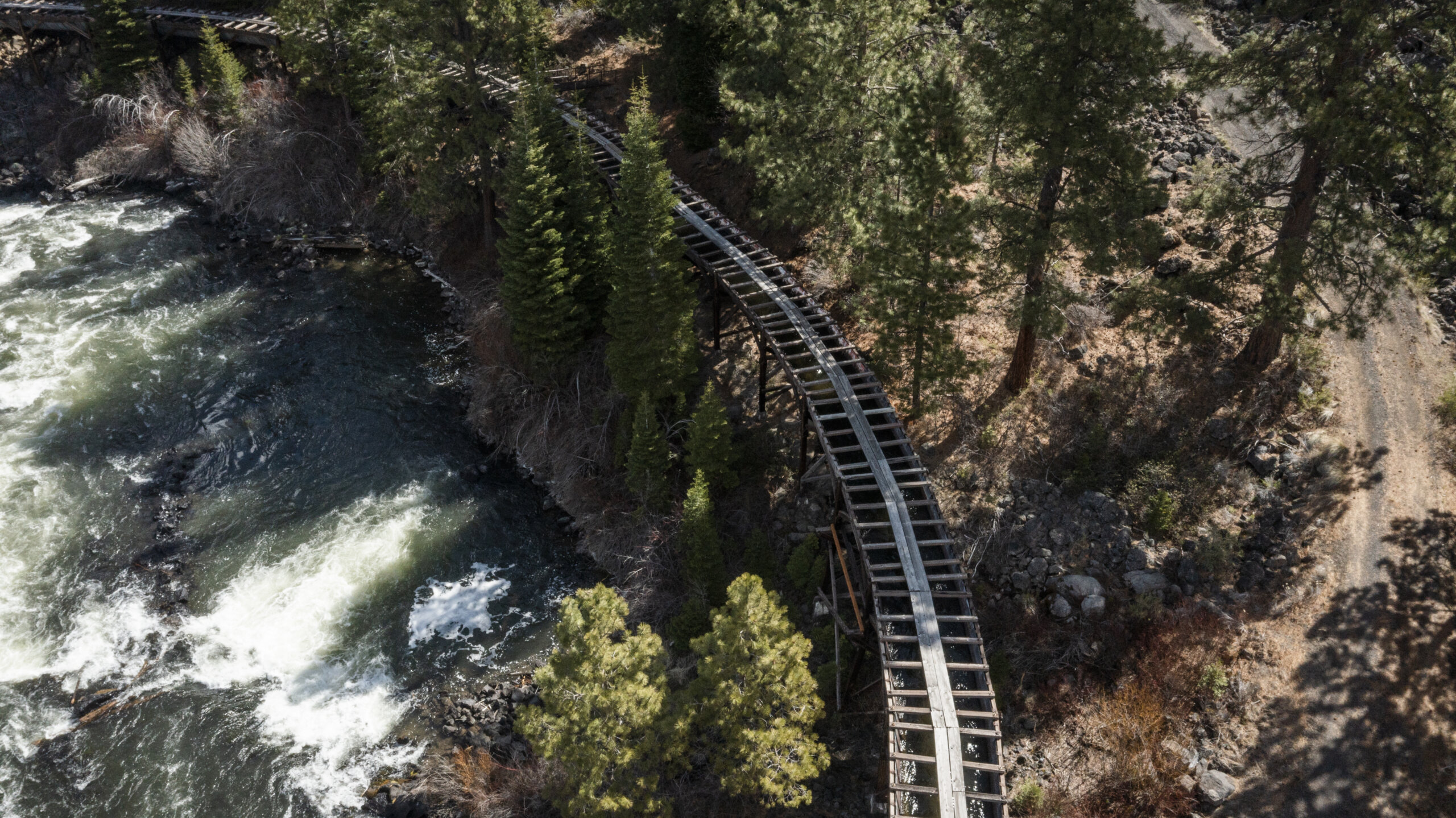
Arnold Irrigation District: Main Canal Phase 3 & 4
The project will pass 8.8 cubic feet per second cfs of water to the North Unit Irrigation District during the irrigation season to support local farms, and the water will be released to the Deschutes River in the winter to support habitat. The project is expected to generate approximately $380,000 in annual benefits through increased agricultural production, revenue, and job creation and reduce operations and maintenance costs by approximately $74,000 annually.
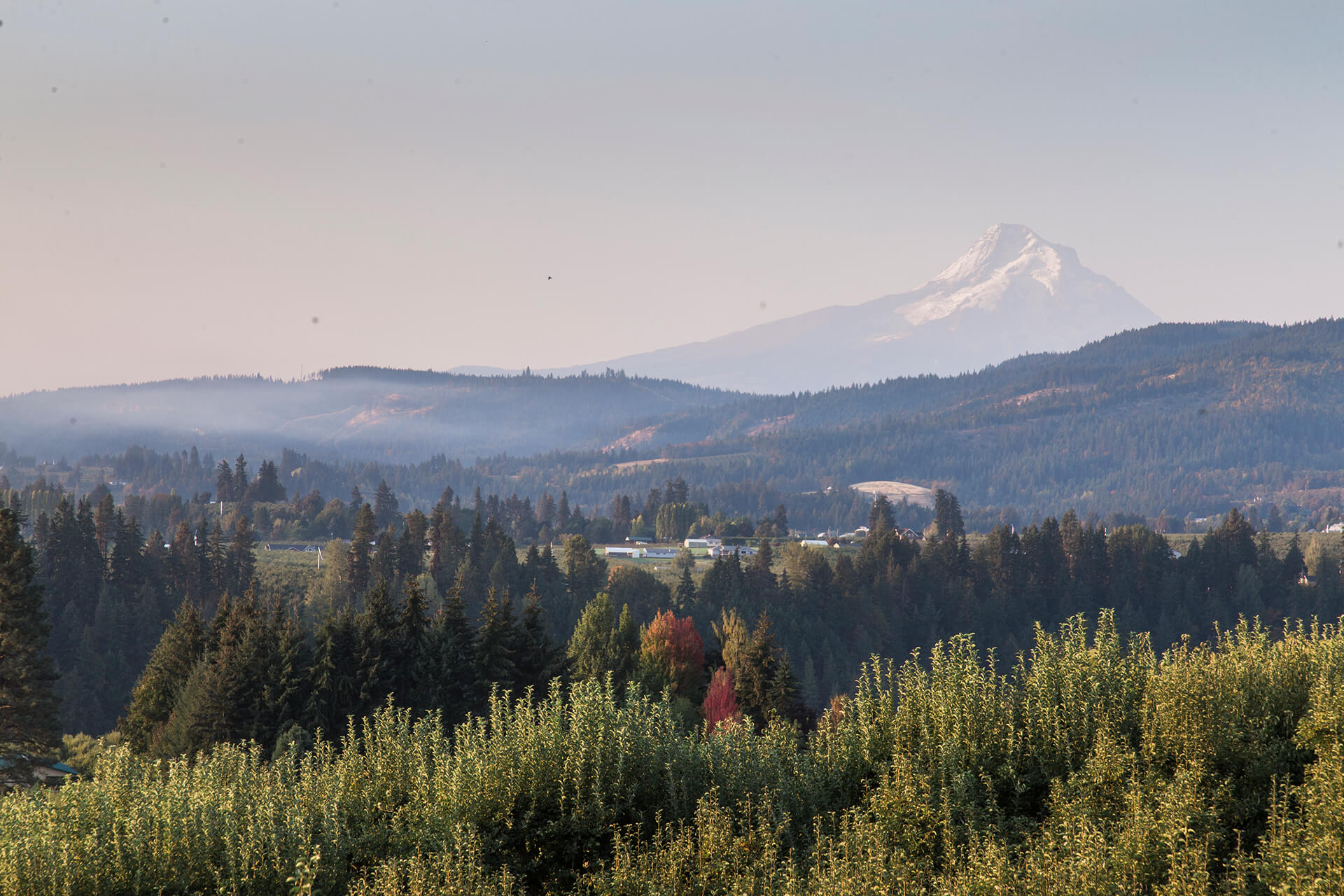
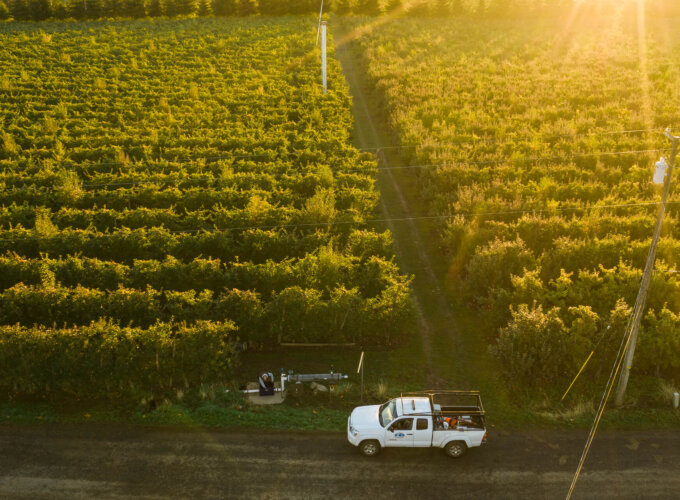
Farmers Irrigation District: Farmers Canal Piping
The District will convert the two remaining open sections of the Farmers Canal–totaling 2.59 miles–to buried pipeline. This improvement will dedicate 6.9 cfs of water instream to benefit aquatic habitat and ESA-listed species. The project is also expected to reduce operations and maintenance costs by approximately $56,000 annually.
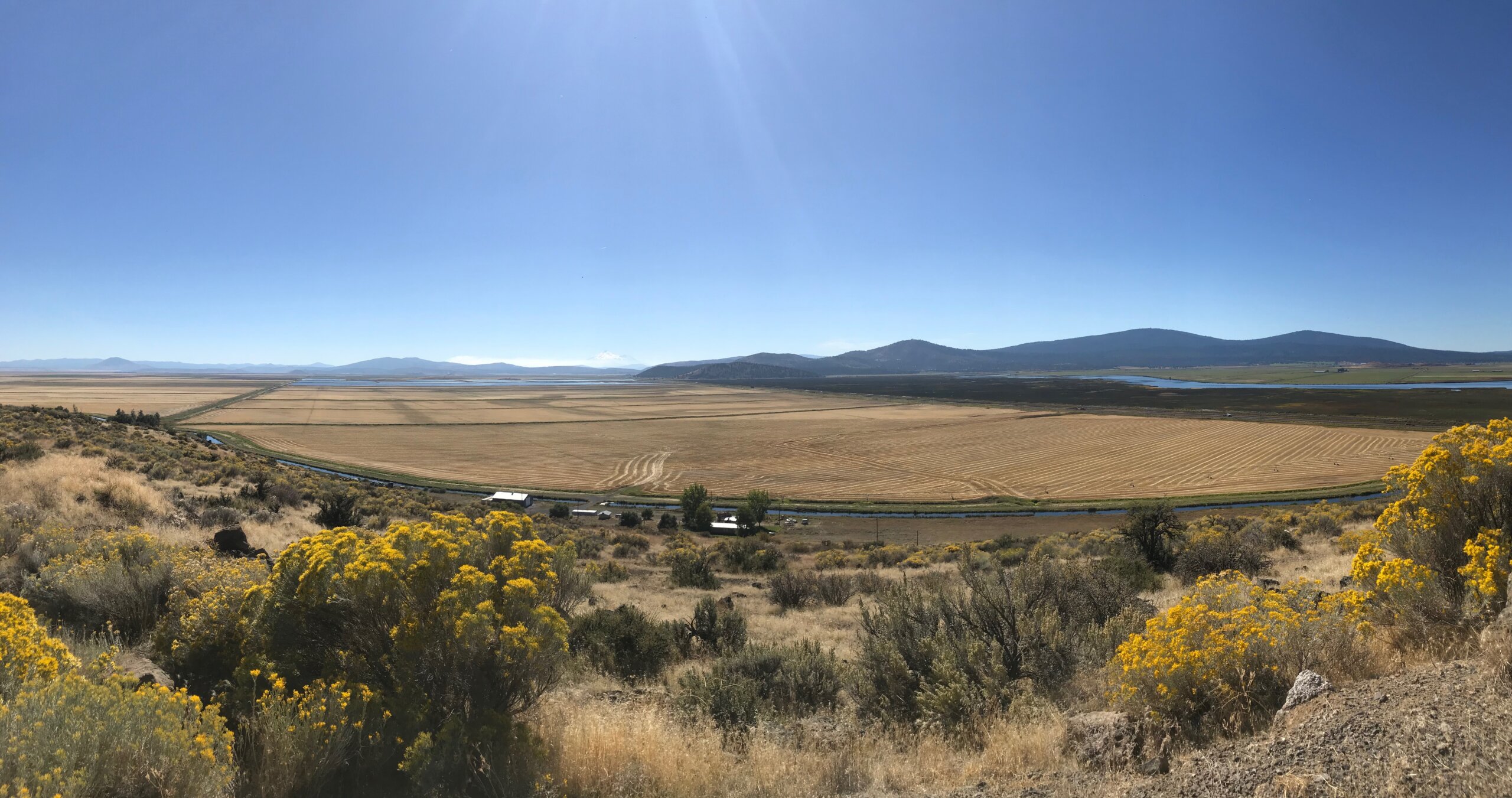
Klamath Drainage District: Canal Solar
The canal solar project will be located on approximately one mile of the District’s North Canal. When complete, the project will generate upwards of 1MW of renewable energy while reducing evaporation, decreasing water temperatures, and reducing aquatic growth in the canal. KDD anticipates that the project will be one of the first canal solar projects in the country.
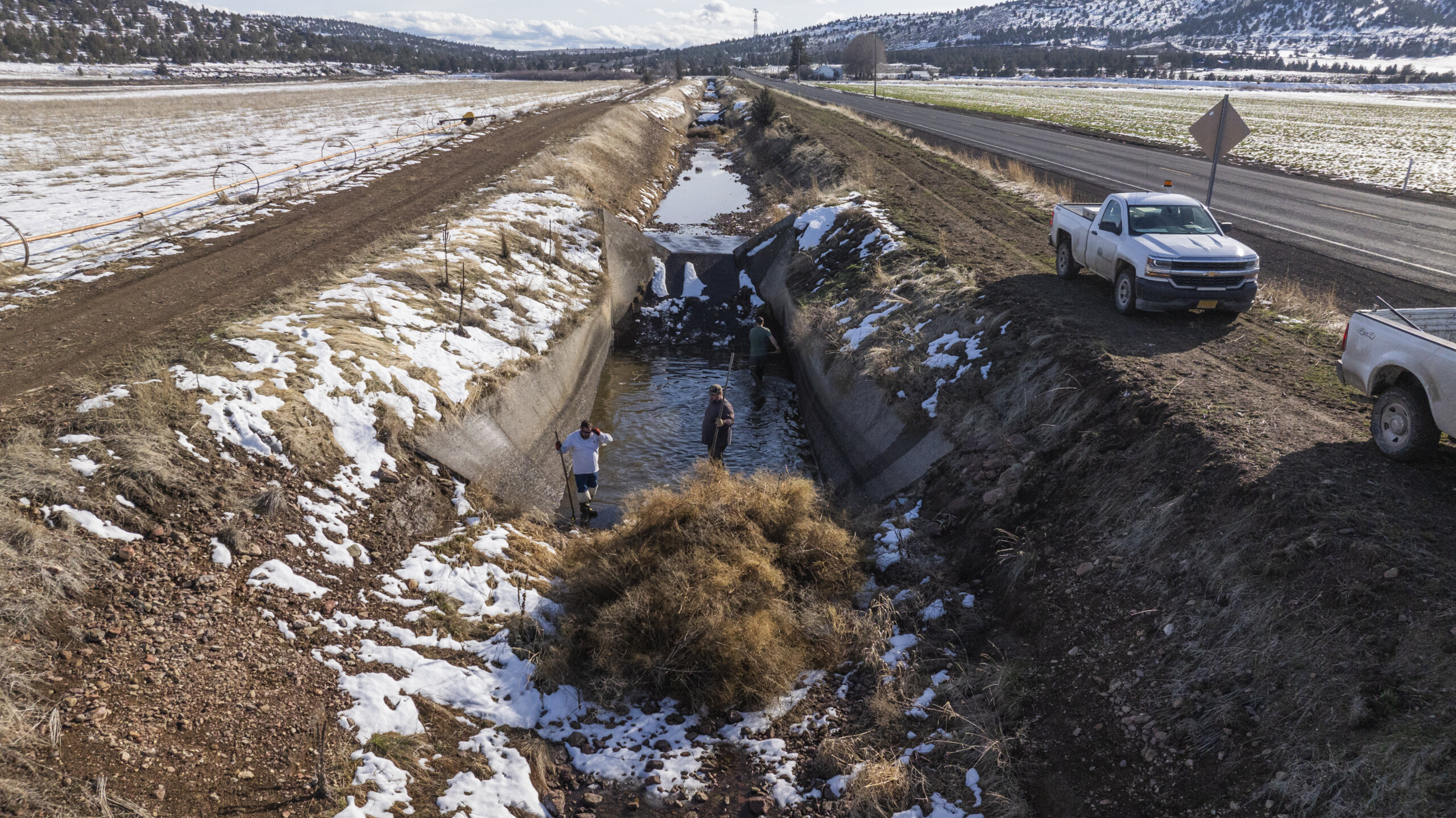
North Unit Irrigation District: PG 2: Laterals 31, 32, 34
The project will pipe Lateral 31 (4,427 feet), Lateral 32 (3,241 feet), and Lateral 34 (24,188 feet), and construct four 1,000-cubic-yard retention ponds at the terminal ends of Laterals 31, 34-2, 43, and 43-10. These improvements will eliminate discharges and is expected to conserve approximately 140 MWh of energy annually. In addition, it will reduce agricultural damage, with an estimated annual savings of $153,000.
Ochoco Irrigation District: Floating Solar
This project will install a 0.85MW community solar system on a reregulation reservoir owned by OID. The system will generate approximately 1 million kWh of renewable electricity annually, providing low-cost, locally-generated energy. Under Oregon’s Community Solar Program, 50% of the project’s output will be allocated to Crook
County residents with the remaining 50% available to local businesses. In addition to generating clean energy, the floating solar panels will help reduce reservoir evaporation, limit algae and aquatic weed growth, and improve water supply reliability and water quality for agriculture.