
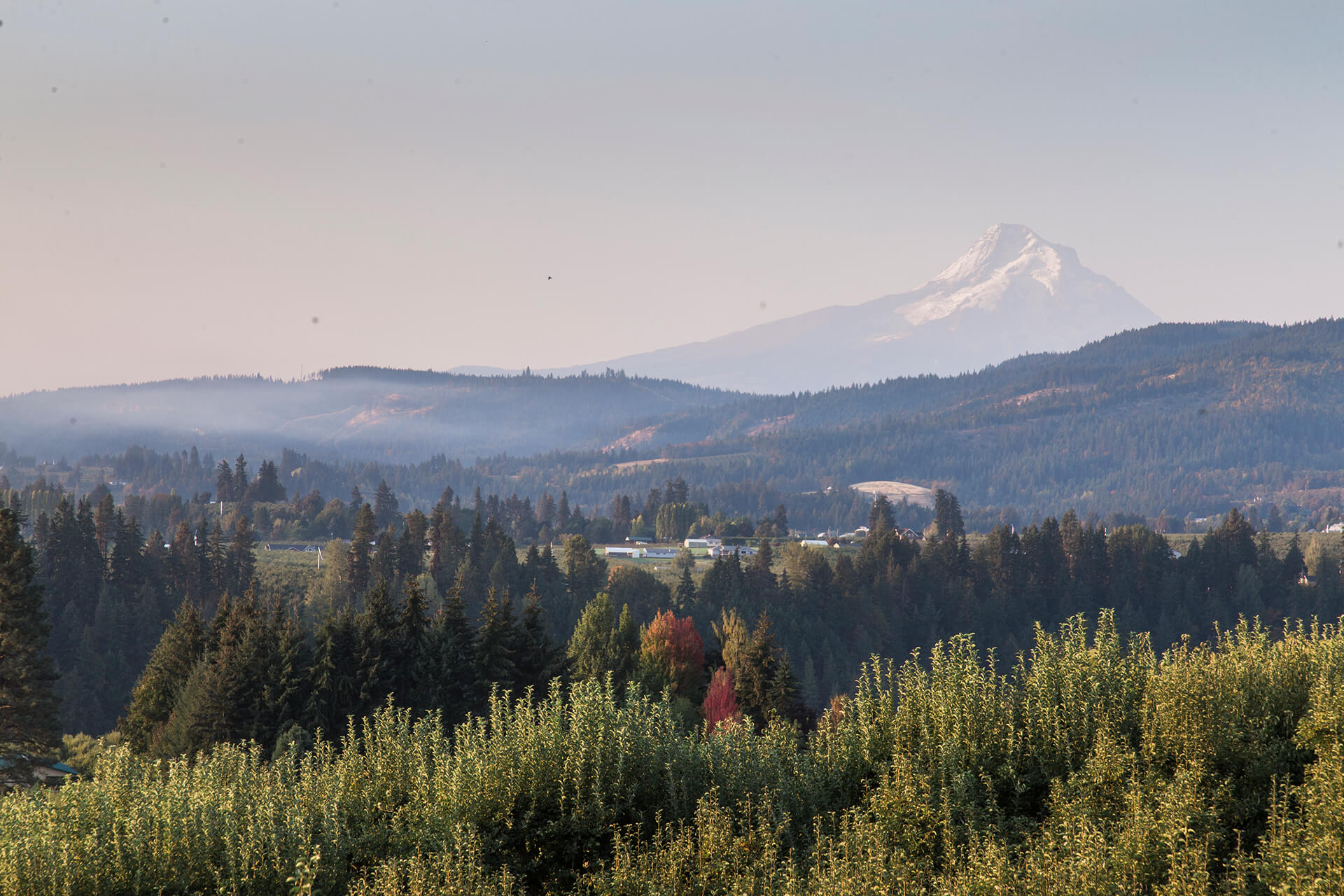
FID is, in fact, where FCA got its start — installing the first Farmers Screen there shed light on the many ways in which districts like FID could benefit from many modes of modernization and the kind of support needed to accomplish modernization goals. “The Hood River Basin serves as an example of how fish, farmers, and communities can all thrive in one basin,” says Julie O’Shea, Executive Director of Farmers Conservation Alliance, based in Hood River. “The collaborative nature of this community has led to a number of amazing breakthroughs that address habitat, fish passage, and agricultural resilience. It gives us so much hope for what is possible in the future.”
In progress
Farmers Irrigation District
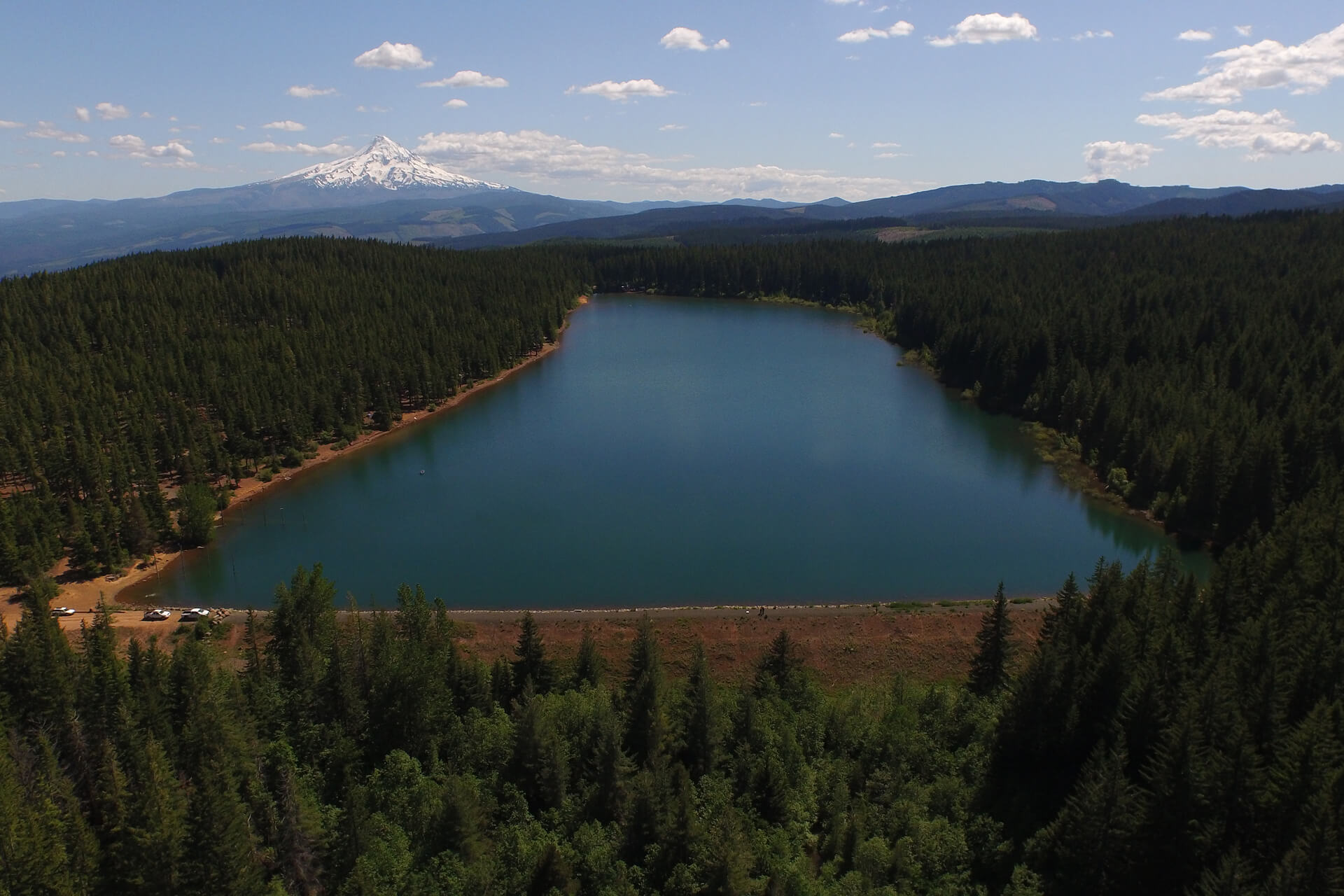
The ongoing collaboration between Farmers Irrigation District (FID) and FCA on the projects described here has improved agricultural reliability, conserved water and energy, and enhanced environmental outcomes in the Hood River Basin.
Three decades of collaborative restoration in the Hood River Watershed.
Project DETAILS
Location
Hood River, Oregon
Installation Date
2002 – present
Engineering Partners
Niklas Christensen
Community and/or Agency Partners
FID has worked in close cooperation with its patrons, Confederated Tribes of Warm Springs, Hood River Watershed Group, Hood River Basin Partnership, Hood River Soil and Water Conservation District, East Fork Irrigation District, Middle Fork Irrigation District, U.S. Forest Service, Oregon Department of Fish and Wildlife, Natural Resources Conservation Service, Columbia Land Trust, Hood River County, Hood River Forest Collaborative, and Oregon Department of Environmental Quality to identify priority water efficiency and conservation projects, including piping the Farmers Canal.
Webinar
Intro to PL-566


5.8k
Irrigated acres served

625k
MWh renewable energy generated

xx%
Modernized XXXXXXXXXXXXXX
Transforming Farmers Irrigation District
Each of these projects has helped transform Farmers Irrigation District into one of the most modernized districts in Oregon, nearly completing a multi-decade transition to reliable, fish-friendly, and optimal irrigation infrastructure.
Projects
Canal Piping
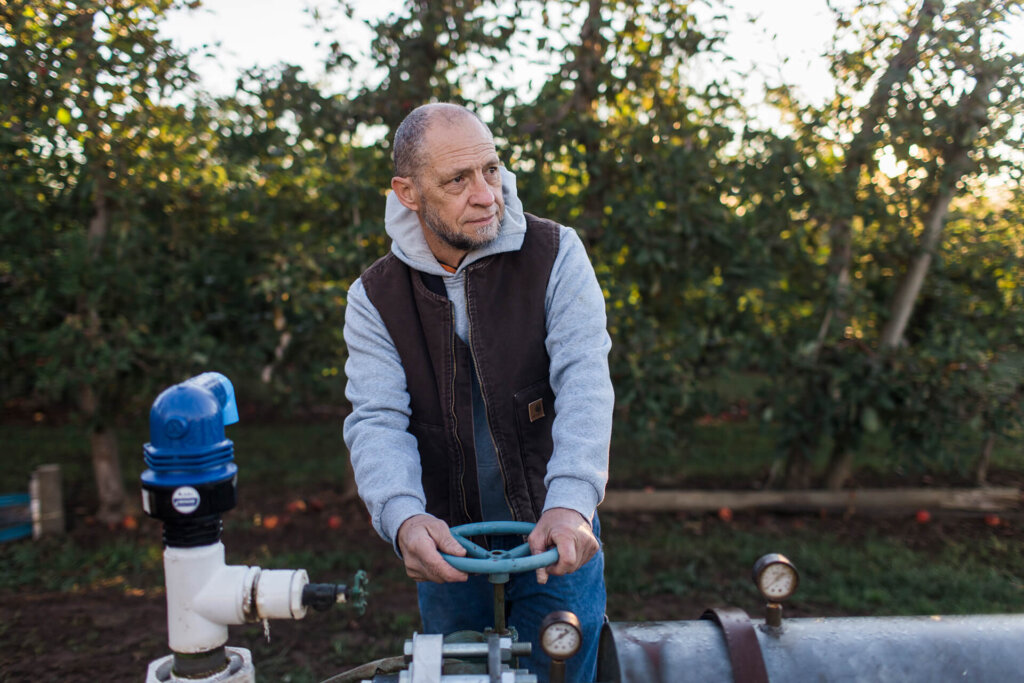
Over several decades, FID has converted almost its entire open-canal system to pipelines. Approximately 70 miles of canals – out of ~73 miles total – have been piped, with the remaining 3 miles in plans to be piped in the coming years. Piping has been implemented in phases since the 1980s, much of which began and was completed prior to FCA’s formation in 2004, and is now nearing completion, allowing FID to provide reliable irrigation to its agricultural patrons, dramatically reducing water loss, and enabling full pressurization of the district’s irrigation water supply while returning cfs to important waterways for fish.
Farmers Screen
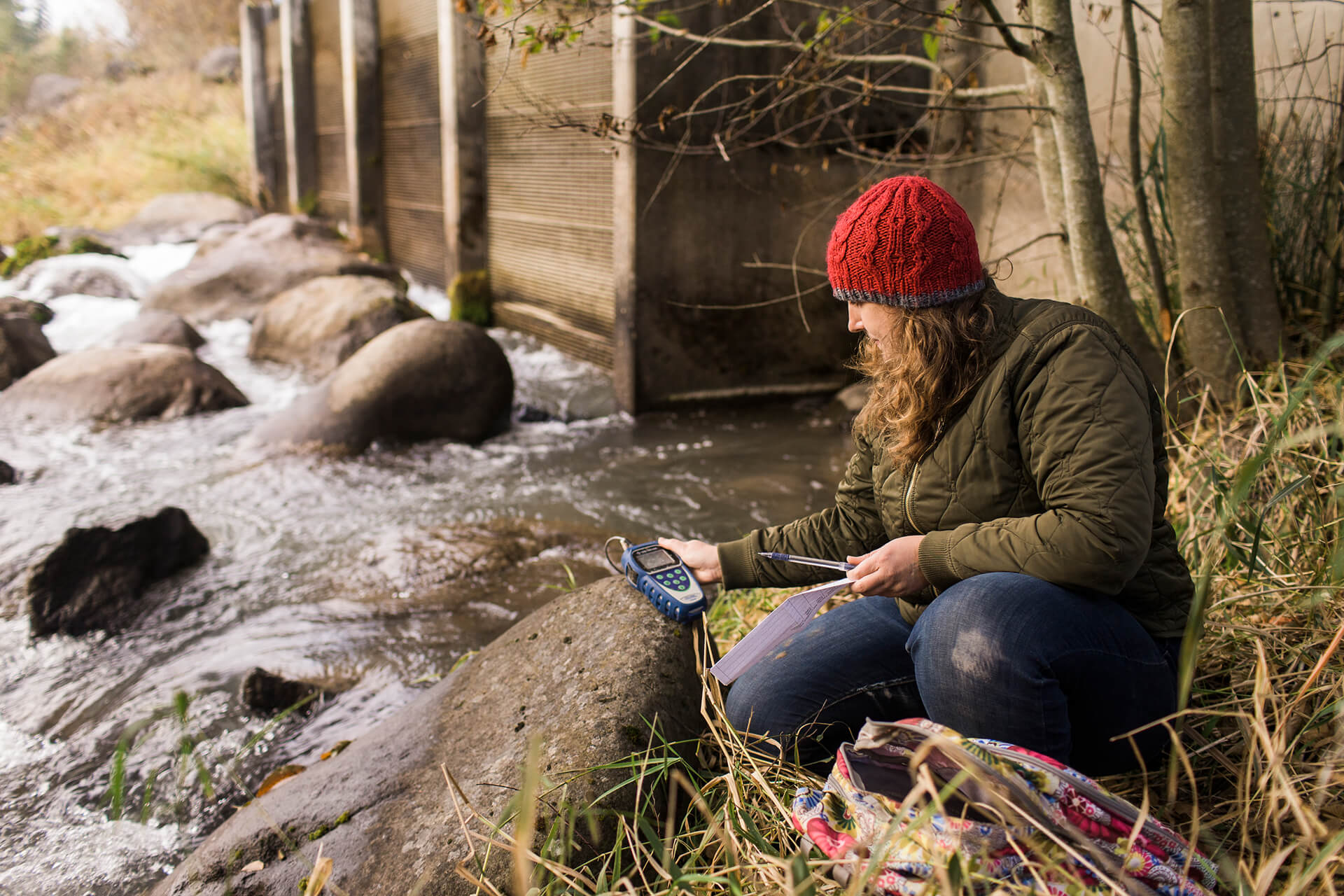
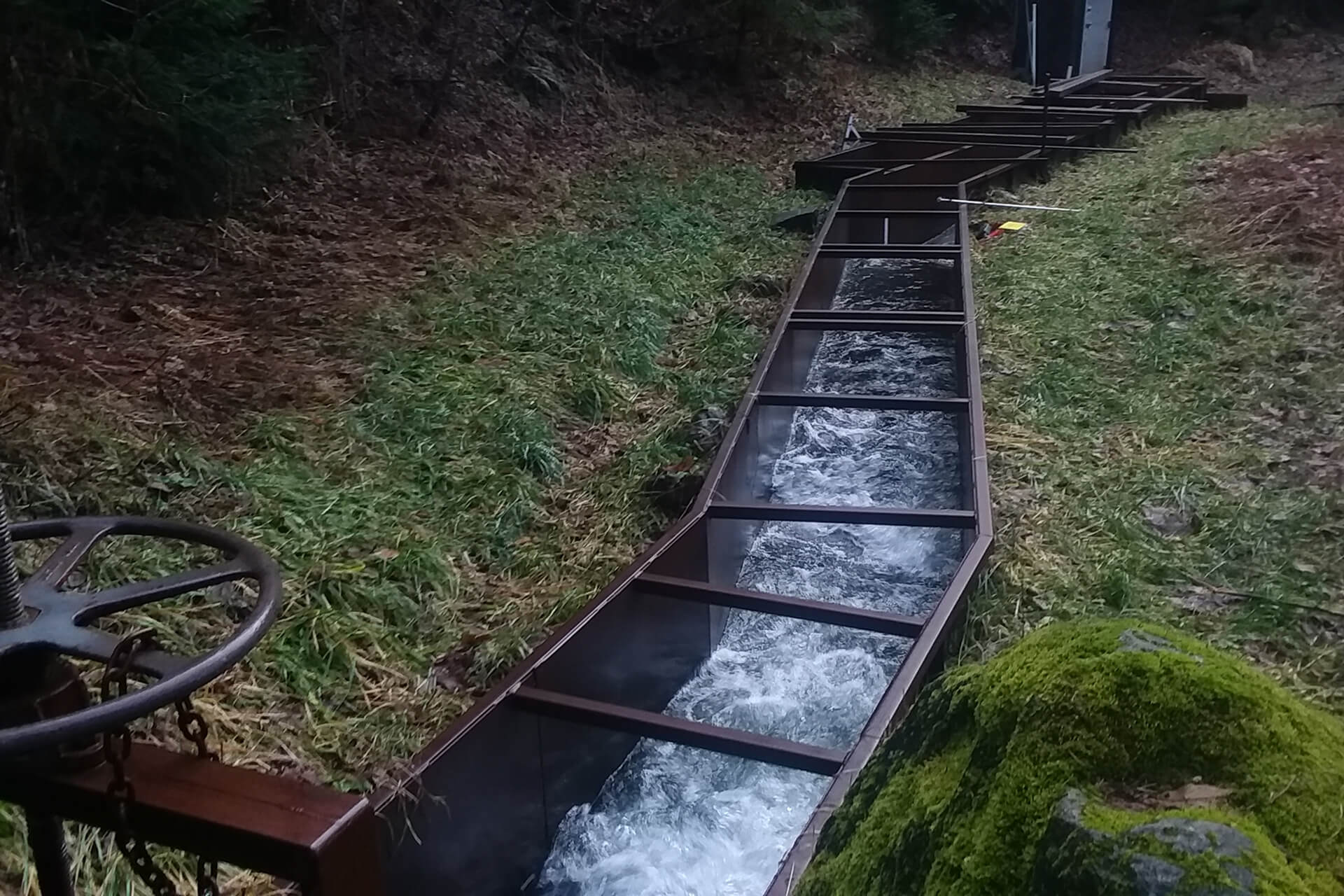
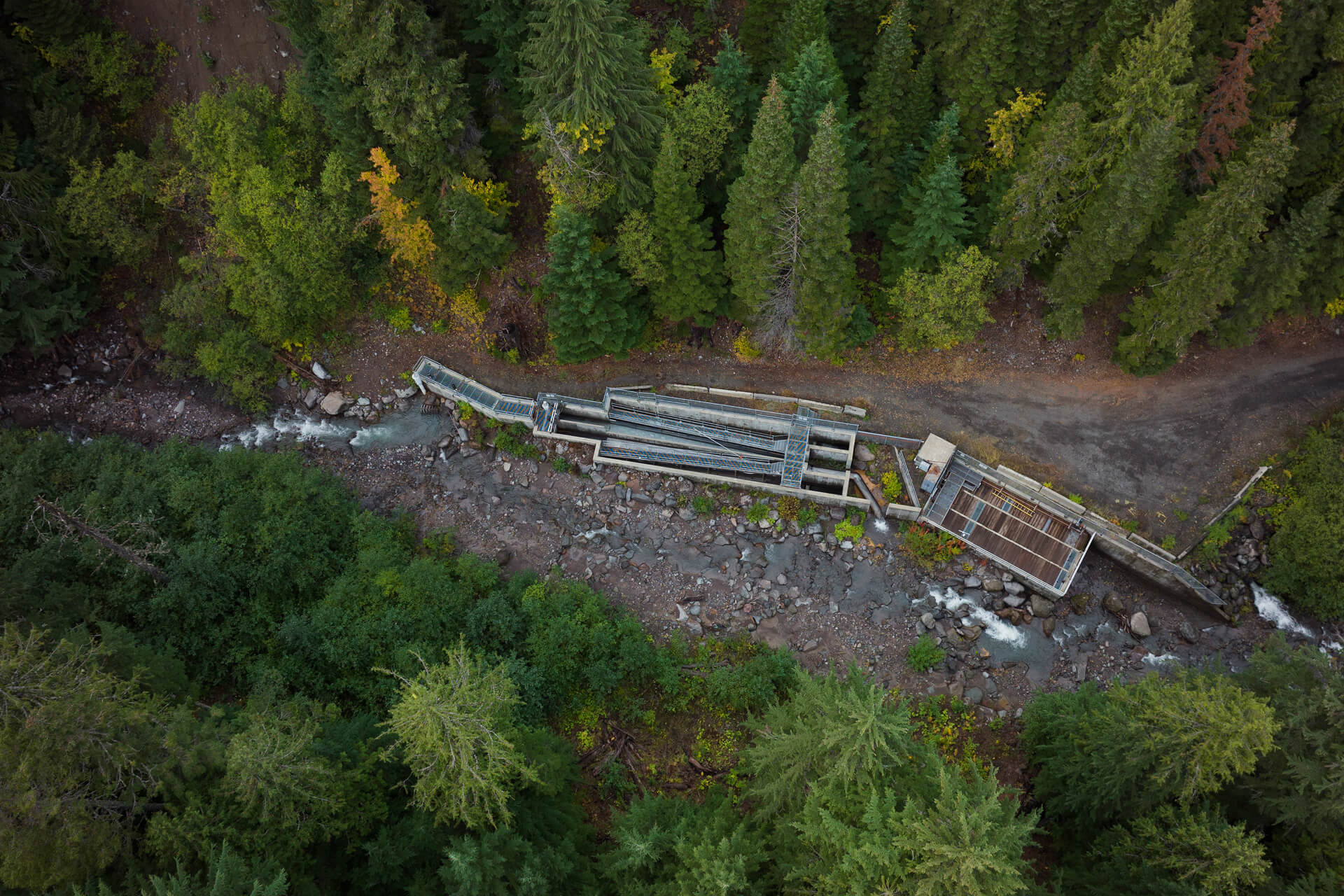
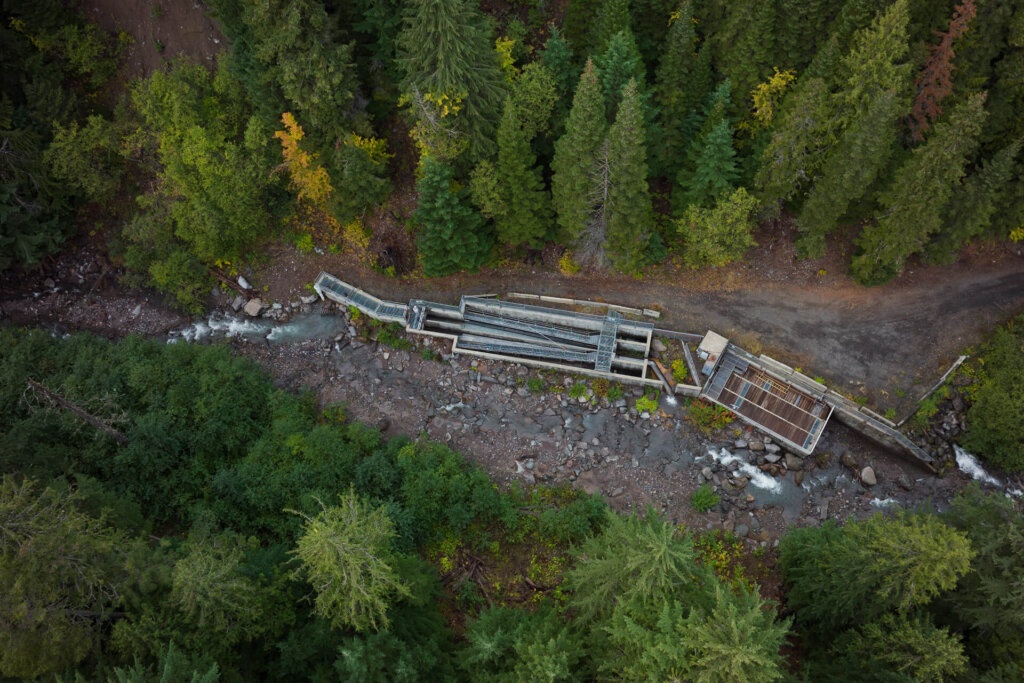
FID pioneered the Farmers Screen, an innovative fish-screening technology, to protect fish while reducing maintenance. In 2002, FID installed a full-scale prototype horizontal fish screen at its main Hood River diversion – the first of its kind. Subsequent projects replaced outdated vertical screens with Farmers Screens at FID’s diversions. For example, in 2010 an old in-stream screen on Deadpoint Creek was replaced with a modular Farmers Screen (16 cfs capacity) that passes fish and debris back to the creek, dramatically lowering maintenance needs at this remote site. By 2010, all of FID’s 11 diversions were equipped with passive, self-cleaning Farmers Screens, eliminating fish entrainment and debris buildup while ensuring continuous water deliveries.
North & South Pine Creek Channel Restoration
FID, with FCA and partners, undertook a project to restore Pine Creek (North and South forks) to its natural channel and improve instream flows beginning in 2010. An antiquated 19th-century irrigation canal that “pirated” flow from the creeks was upgraded, greatly reducing the need to divert water from Pine Creek. The project installed passive Farmers Screens on two diversions and reconnected the creeks, allowing most of the North and South Pine Creek flow to remain in-stream without harming irrigation supply. This restoration effort improved fish passage and habitat in the creeks while maintaining water delivery to farmers.
Green Point Creek Restoration
This habitat restoration project, completed in partnership with FCA and the Oregon Watershed Enhancement Board, rehabilitated Green Point Creek, a tributary in FID’s system. The project added large woody debris, boulders, gravel, and other habitat features to increase stream channel complexity (sinuosity), create pools and spawning areas, and provide velocity refuges for fish. As a result of these enhancements, Green Point Creek now supports the highest biomass of fish of any Hood River basin tributary, indicating a successful rebound in fish populations.
Gate Creek Fish Passage
Recently, FID and FCA addressed fish passage and water delivery on Gate Creek (and its tributary Cabin Creek), in a remote part of the district. Completed around 2022, this project removed barriers and reconnected Gate and Cabin Creeks to their natural channels while installing new Farmers Screen fish screens on the diversions. It also involved piping a section of the canal and implementing remote telemetry (SCADA controls) to allow year-round operation of this high-elevation, often inaccessible site. The upgrades ensure fish can migrate freely in Gate Creek and that FID can reliably deliver water and operate its hydroelectric systems even under harsh conditions.
Watershed Plan–EA
Authorized by NRCS in April 2025, the Farmers Irrigation District Infrastructure Modernization Project is an agricultural water conveyance efficiency project under the NRCS Watershed Program (PL-566). The project will pipe the remaining two open sections of the Farmers Canal, pipe the open Rainy Ditch, install Supervisory Control and Data Acquisition (SCADA) systems, improve sediment management by deepening the existing attenuation bay, and expand Forebay 3. Once implemented, these modernization actions will improve water conservation and water conveyance in District-owned infrastructure, allowing FID to better manage their irrigation water deliveries to patrons and marking the final step in FID’s 40-year modernization effort.
Battery Storage
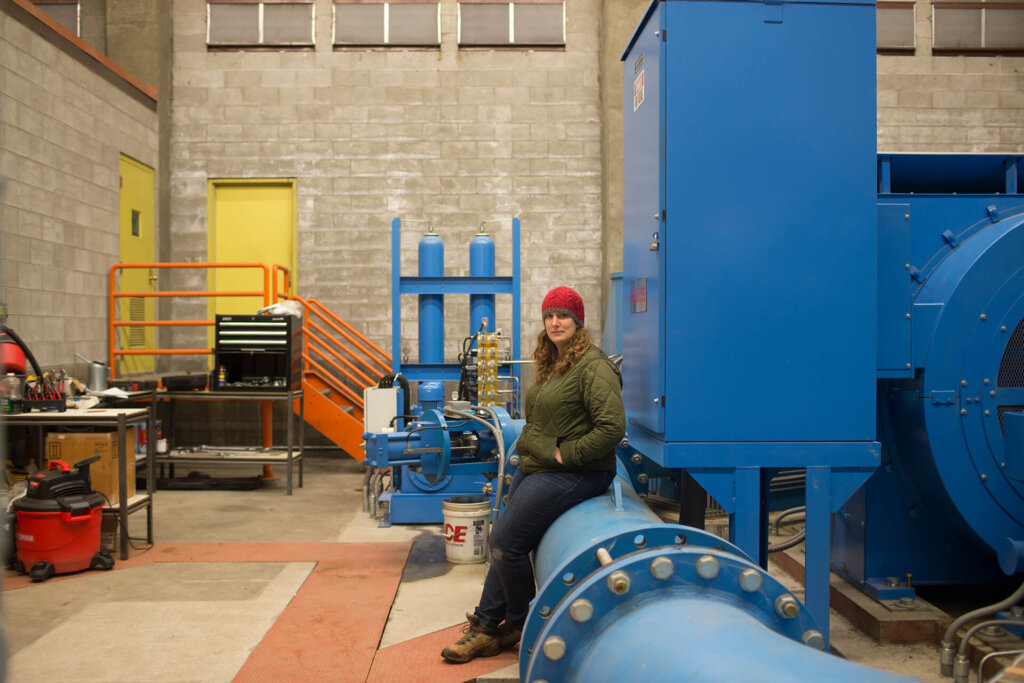
Looking forward, FID and FCA are exploring on-site battery storage to enhance energy resilience. In 2023, FID supported FCA’s grant proposal to install a 250 kW / 880 kWh battery system to work alongside FID’s pumps. This project will allow the district to run its irrigation pumping operations on battery power during peak grid demand events, so FID can participate in utility demand-response programs without interrupting water deliveries. If funded and implemented, the battery system will cut energy costs and provide backup power, further modernizing FID’s infrastructure with clean energy technology.