
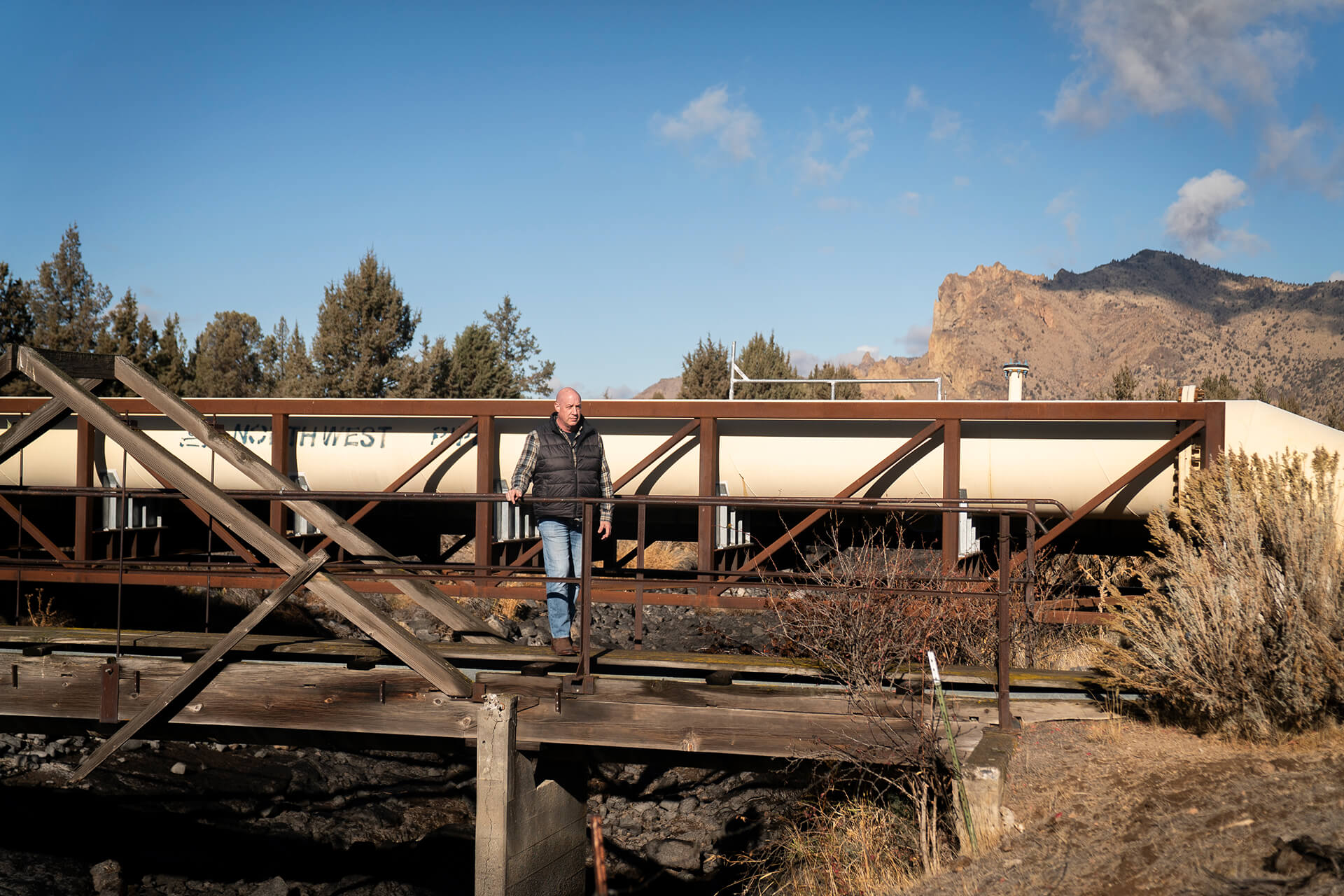
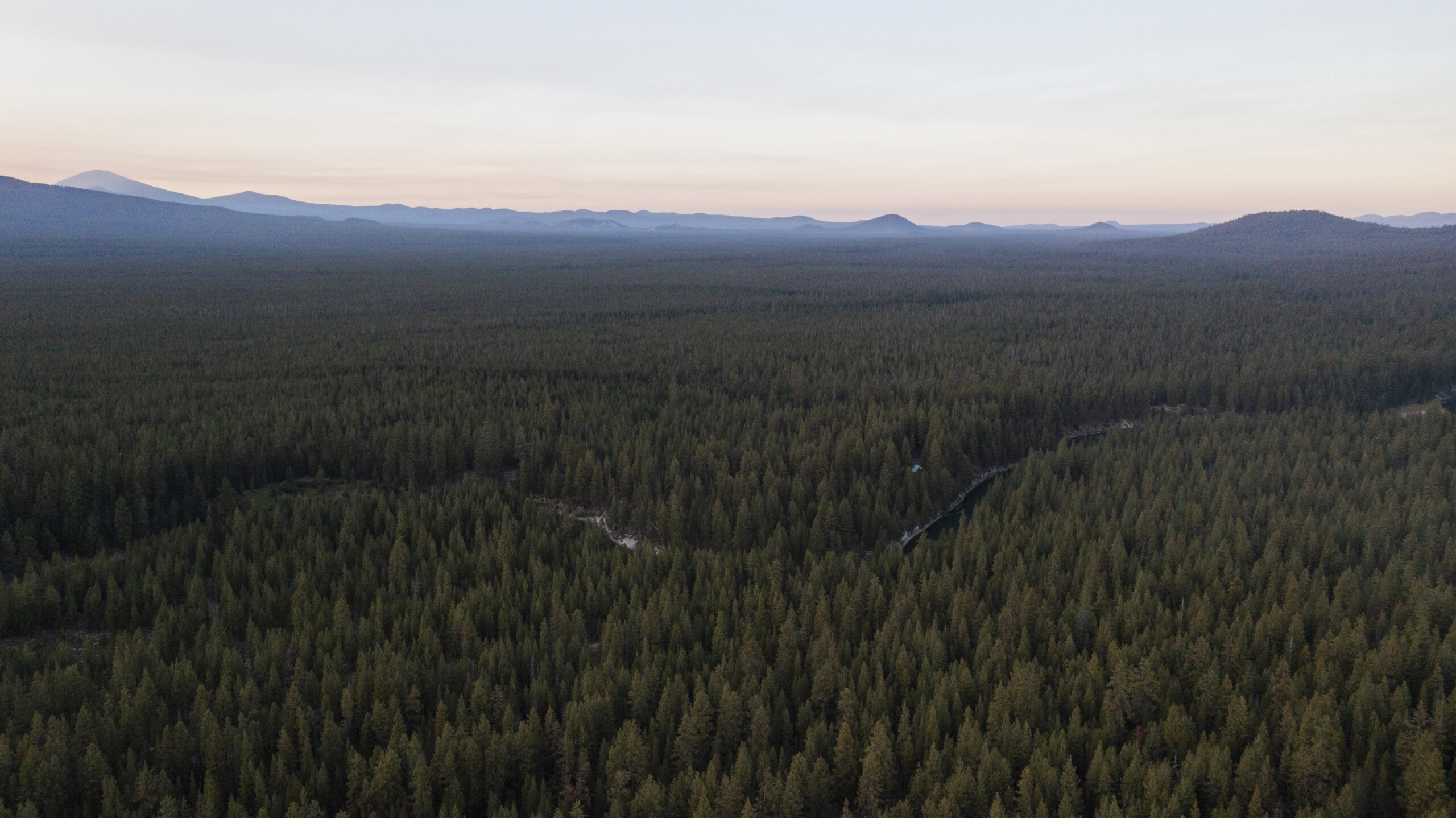
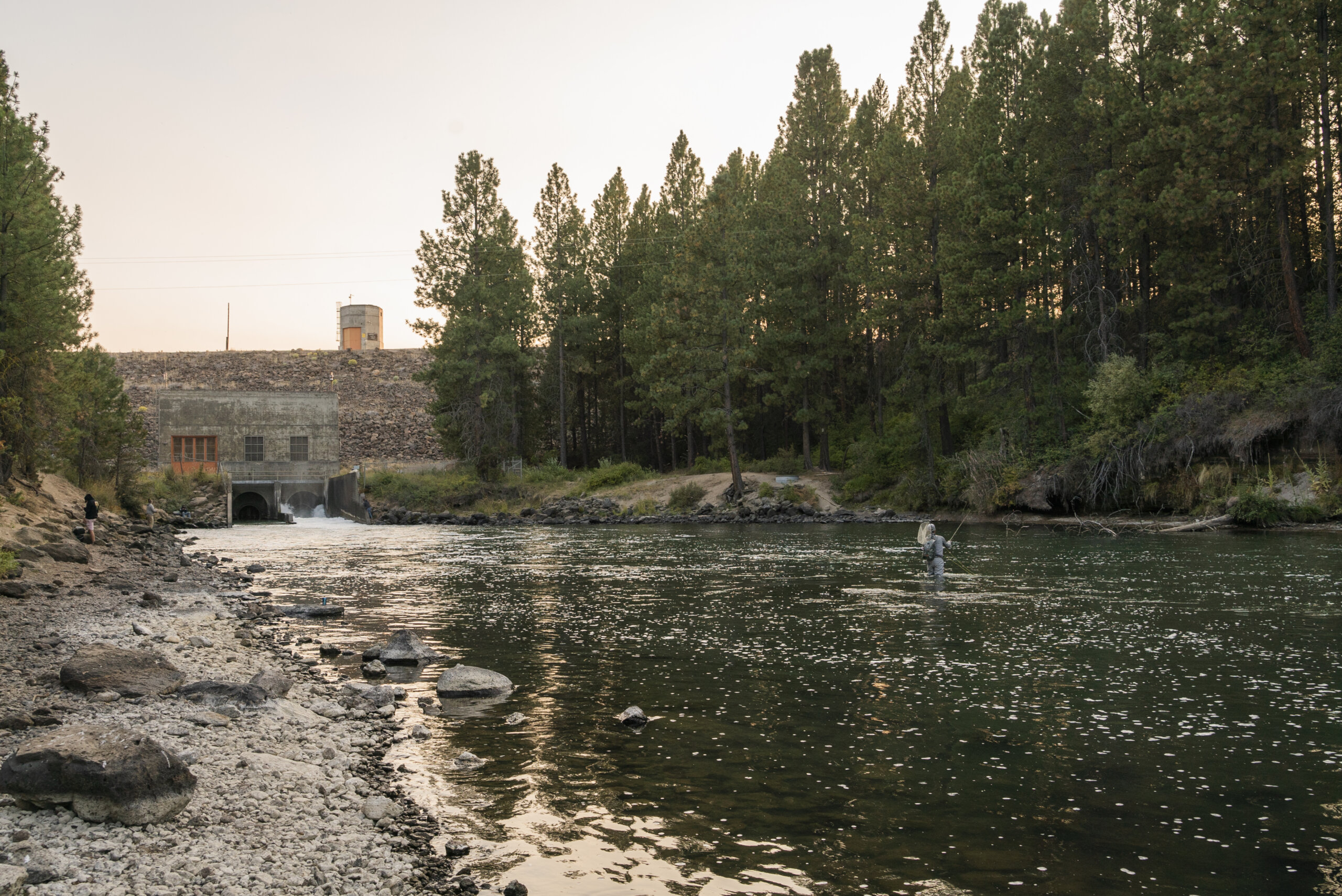
FCA worked with Central Oregon Irrigation District (COID) and partners to develop the Smith Rock–King Way Watershed Plan–Environmental Assessment, advancing a project to pipe and pressurize a high-loss portion of the Pilot Butte Canal system. Completed in 2022, the project conserves water, improves delivery reliability and public safety, and supports increased streamflow in the Upper Deschutes River during winter and agricultural water deliveries to North Unit Irrigation District during summer—while providing a foundation for COID to pursue NRCS funding for modernization of the remaining Pilot Butte Canal.
Completed
Central Oregon Irrigation District
FCA worked with Central Oregon Irrigation District to advance a major Pilot Butte Canal modernization project that improves water conservation, delivery reliability, public safety, and streamflow in the Deschutes Basin.
Where infrastructure meets impact for safer delivery, smarter water, stronger rivers.
Project DETAILS
Location
Deschutes Basin, Oregon
Installation Date
2020-2022
Engineering Partners
Black Rock
Community and/or Agency Partners
Deschutes River Conservancy, Deschutes Basin Board of Control, NRCS, BOR


7.9 miles
section of the Pilot Butte Canal in the Smith Rock area completed in 2022.
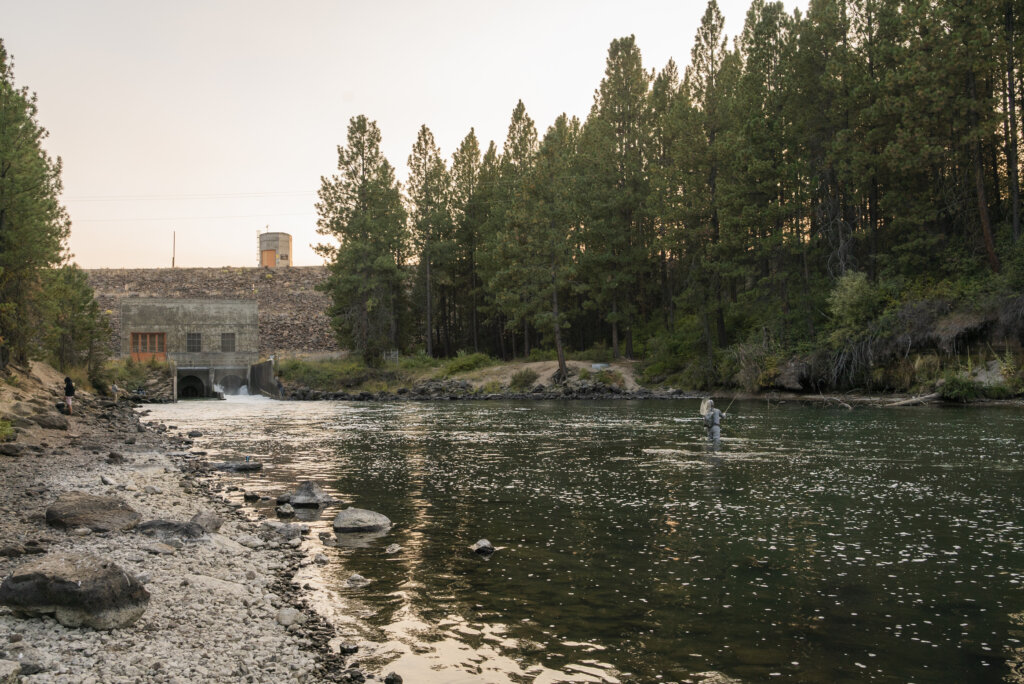
30cfs
or approximately 9,400 acre-feet of water saved annually–with conserved water passed to NUID during irrigation season and matched by winter instream releases below Wickiup Reservoir.
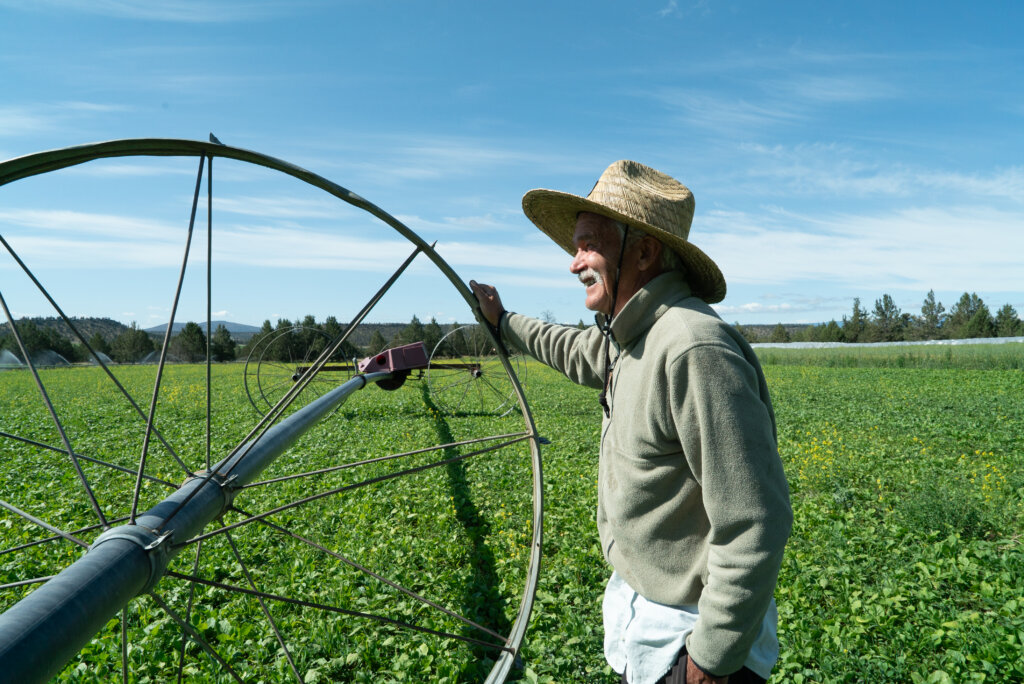

300 farmers
benefiting from improved operational efficiencies throughout the District.
Projects
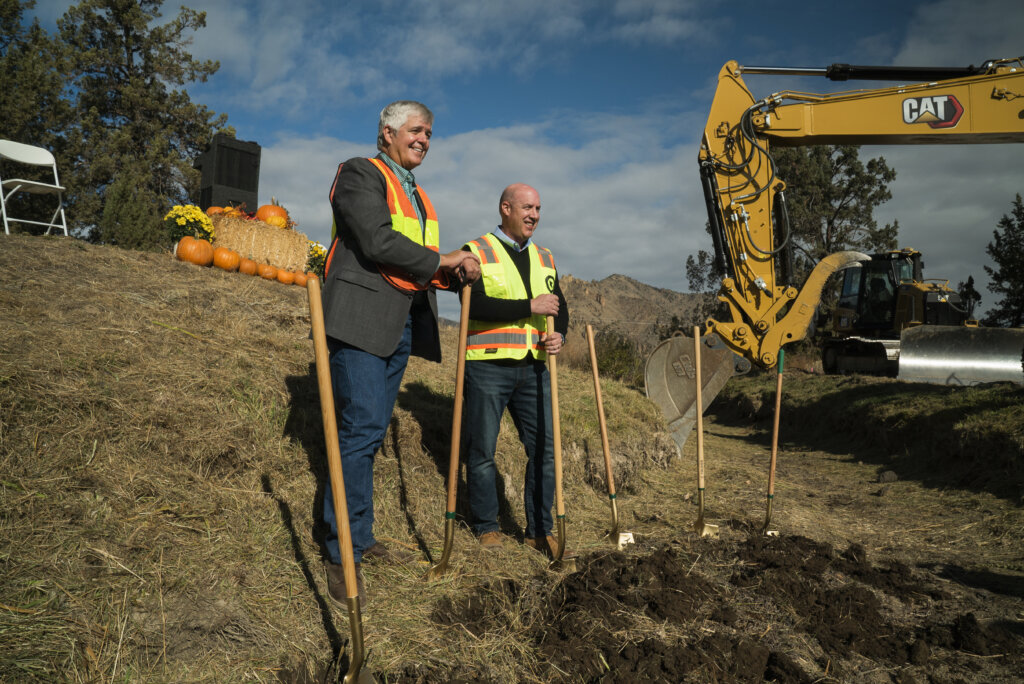
Smith Rock–King Way Modernization Approved
In July 2020, the Final Watershed Plan–EA and Finding of No Significant Impact (FONSI) were approved, clearing the path for funding and construction. This milestone marked the transition from planning to on-the-ground implementation. The Smith Rock-King Way Plan-EA provided the first phase of funding to pipe the Pilot Butte Canal as well as two laterals. In addition to piping, this project created a new point of delivery to provide water to North Unit Irrigation District.
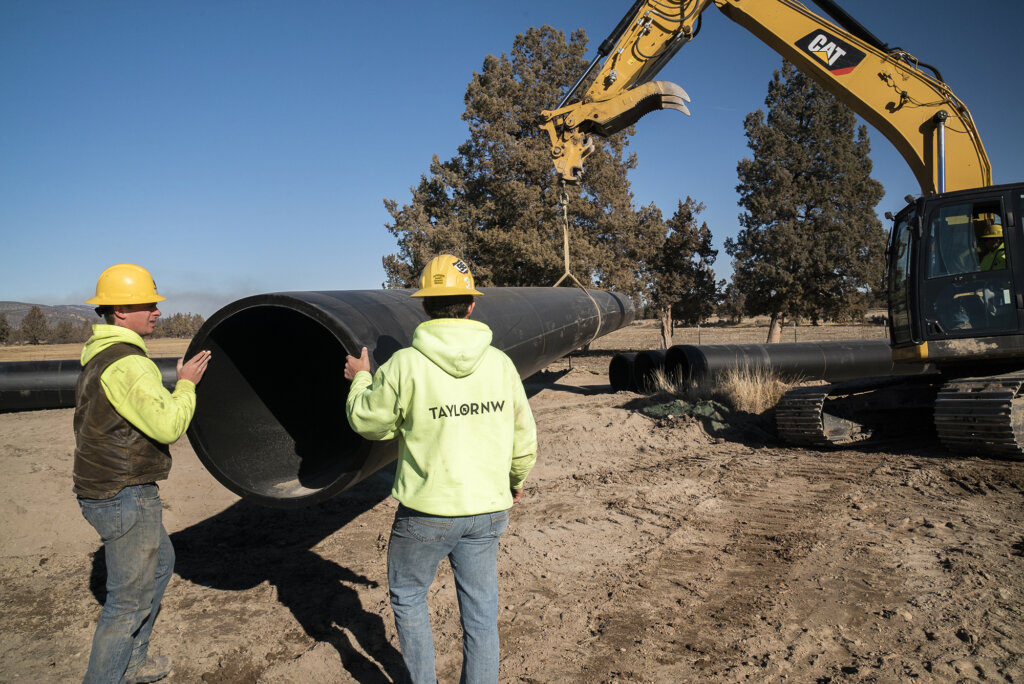
7.9 Miles of Pilot Butte Canal Piped
A key portion of the Pilot Butte Canal in the Smith Rock area has been successfully converted from open canal to buried pipeline. Completed in 2022, this 7.9-mile modernization improves water efficiency, enhances safety, and delivers more reliable water to local farms.
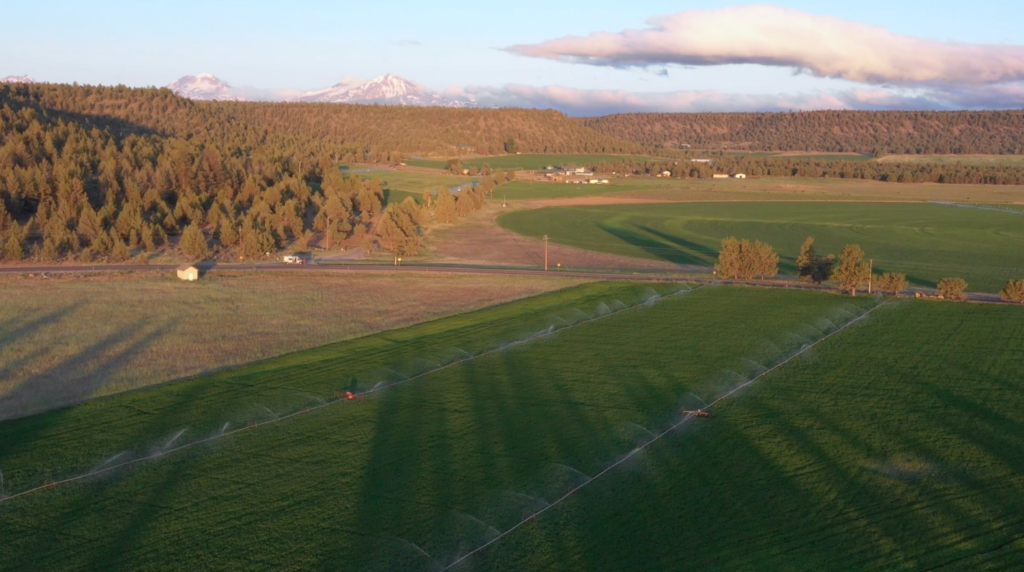
Smith Rock–King Way Segments Completed
Multiple construction packages within the Smith Rock–King Way corridor have been completed, including key segments identified as Phase 1A and 1B. These coordinated efforts reflect steady progress in modernizing critical infrastructure across the district.