
Modernization can't wait.
Water solutions that deliver lasting results.
Across the West, aging canals and pipelines struggle to meet today’s water needs amid persistent droughts and growing communities. Upgrading these old water delivery systems with modern, lasting solutions–like installing remote controls or new head gates, converting open canals to pipe, or integrating generation and storage–improves water management while also benefitting irrigators and communities alike. By addressing long-standing problems in water delivery systems, modernization increases water reliability and resilience in the face of disasters like drought, while also creating new opportunities for rural communities.
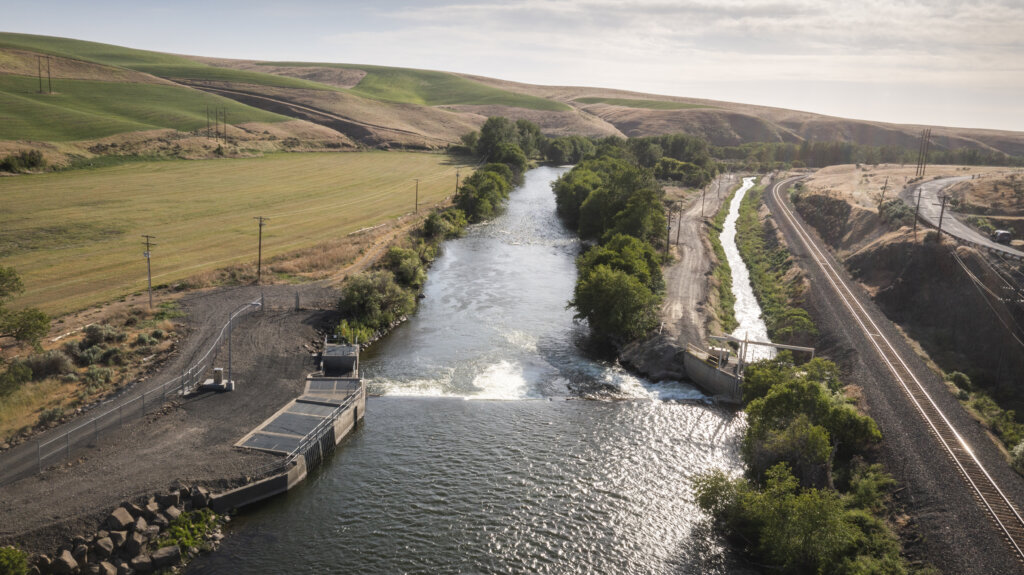

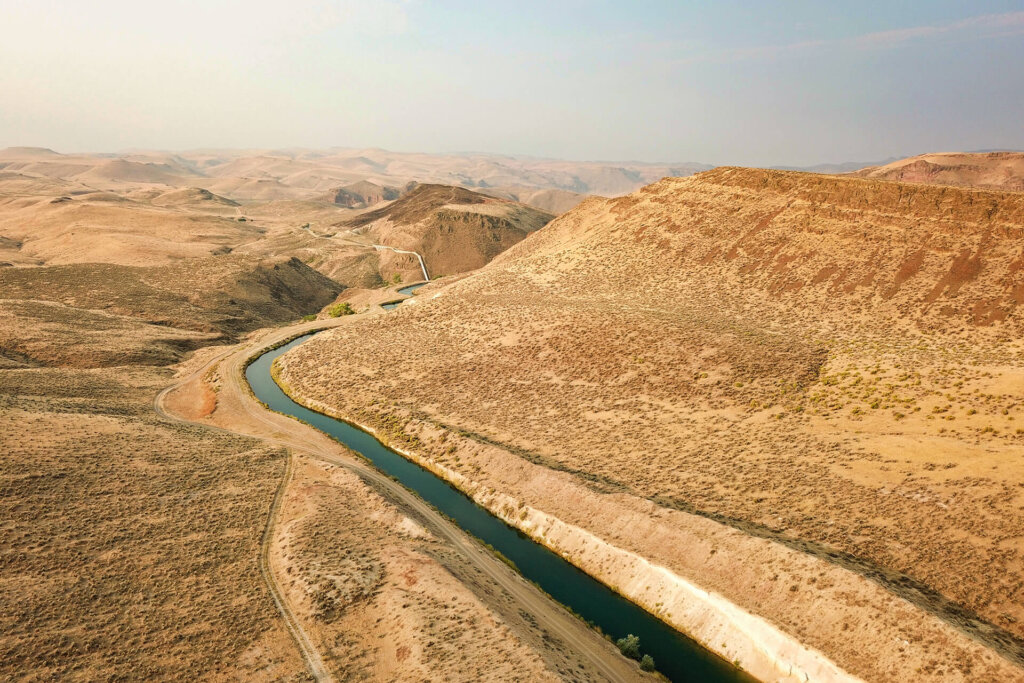


Modernization means different things in different places.
Modernization makes a difference.
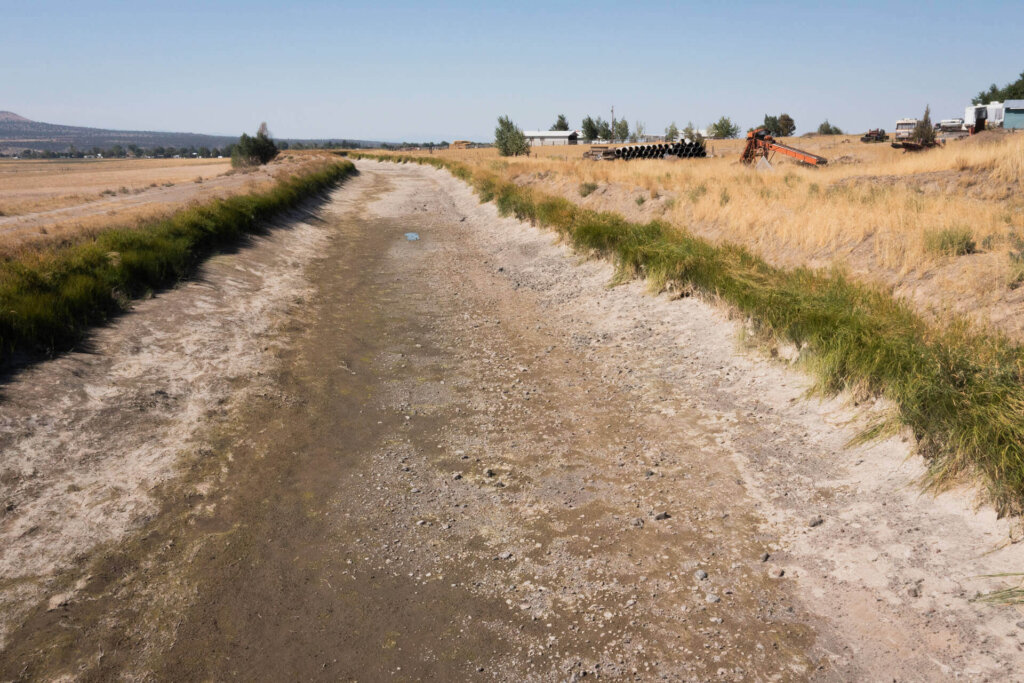
Drought Resilience
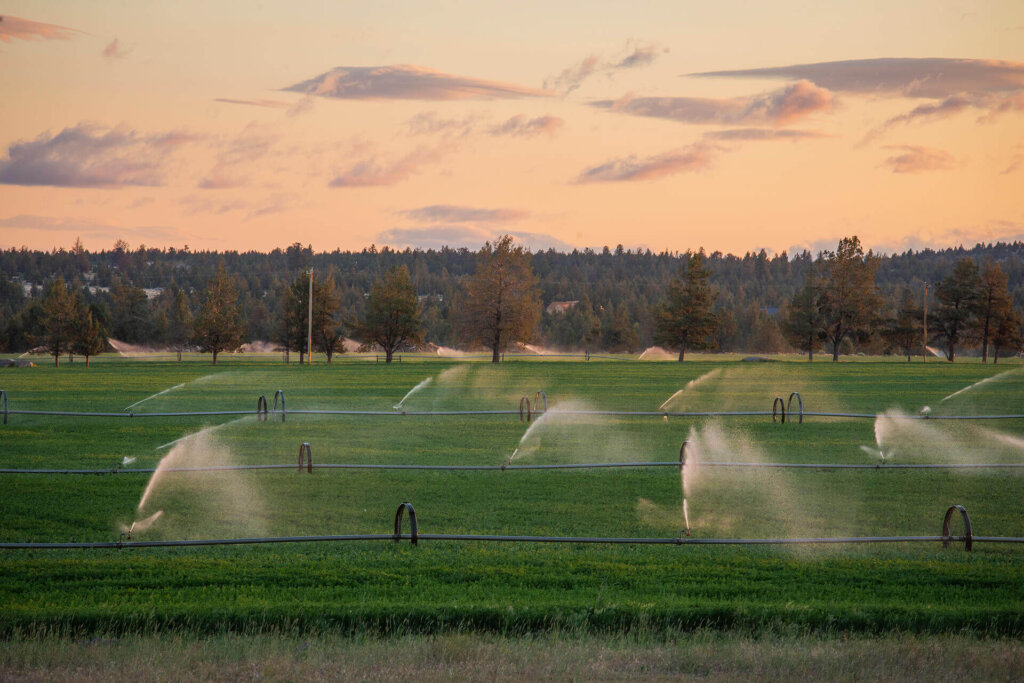
Water Reliability
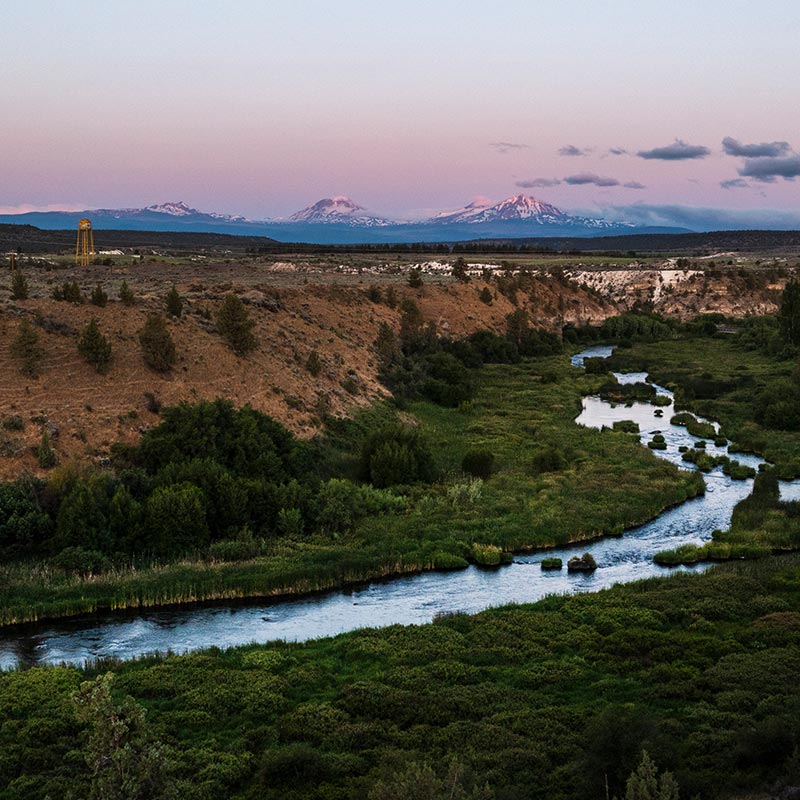
Water Quality
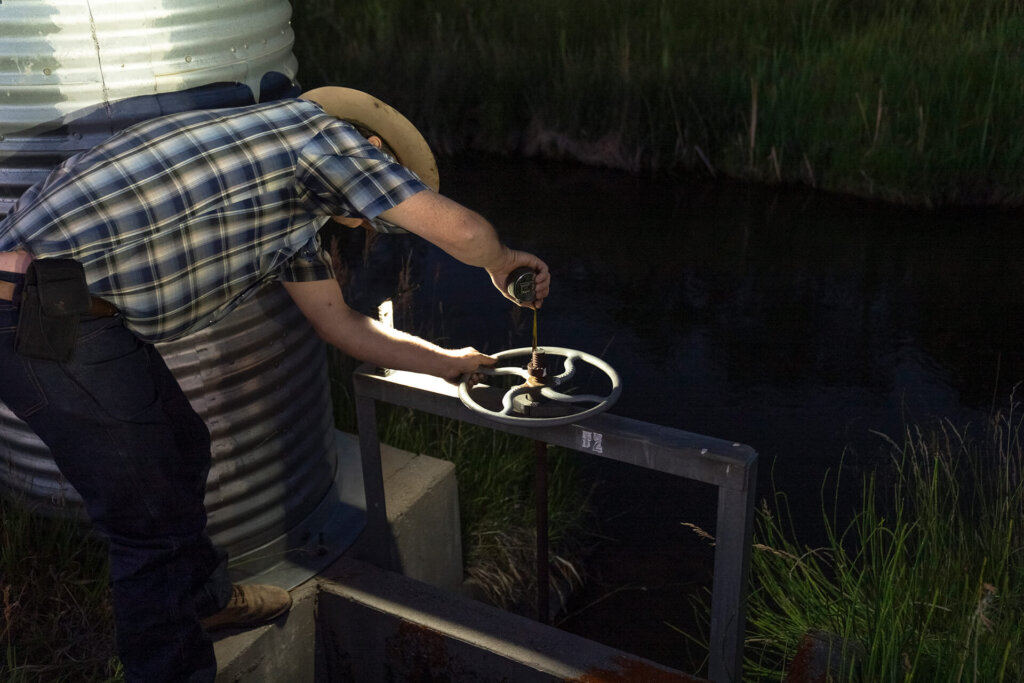
Labor Safety and Efficiency
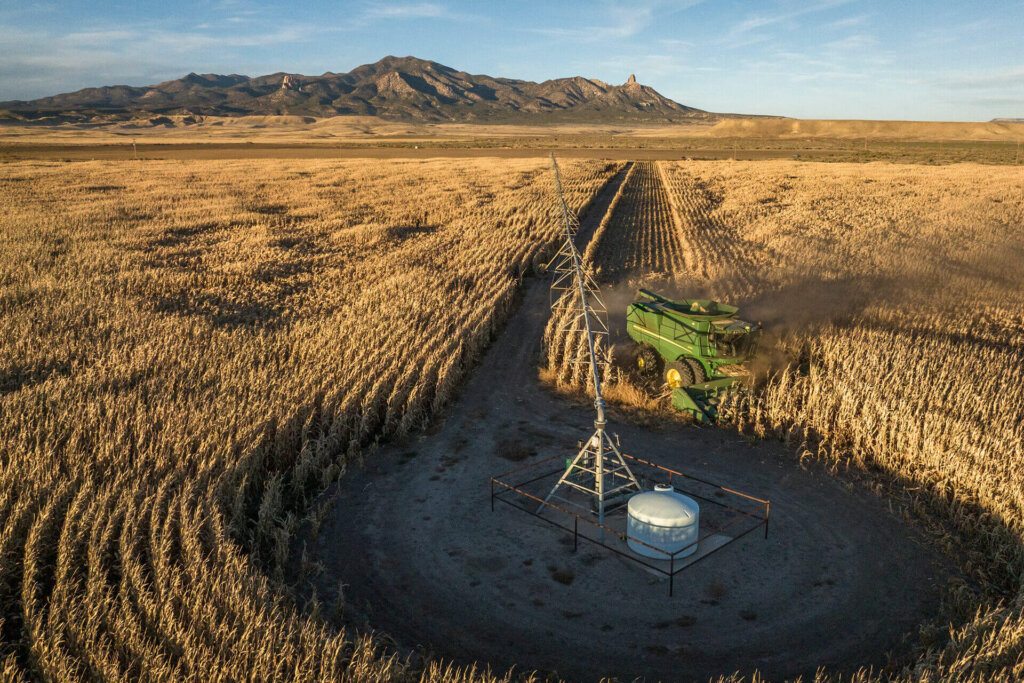
Economic Growth
What is irrigation modernization?
Farmers and ranchers across the West rely on century-old diversions, canals, and turnouts to deliver irrigation water. Irrigation modernization means upgrading these systems with modern infrastructure and technologies. These improvements increase agricultural, environmental, and community resilience across the West.
Why is modernization so important right now?
Ongoing droughts, growing communities, and increased environmental pressures have changed conditions for agriculture and rural communities, and aging irrigation systems designed 100 years ago were not built to manage the challenges irrigators are currently facing. Modernizing irrigation infrastructure to respond to modern-day realities helps sustain farms and ranches, supports rural economies, and benefits the ecosystems from which the water comes.
How does irrigation modernization benefit farmers, ranchers, and communities?
Modernization transforms aging infrastructure into flexible, resilient systems that help communities meet current challenges and future needs. Modernization projects lead to more reliable water delivery and flexible management in the face of changing water supplies. By addressing systemic problems in aging water delivery systems, irrigation modernization provides solutions for rural agricultural communities that can:
- Increase water supply and delivery reliability
- Reduce operation and maintenance costs
- Generate energy and reduce energy costs
- Increase agricultural resiliency
- Support local jobs
- Improve conditions for fish and wildlife
- Improve water quality
- Increase wildfire protection
- Reduce liability
What does a modern irrigation system look like?
Irrigation modernization looks different in every community. In one community, that may mean replacing earthen canals with pressurized pipelines. In another community, that may look like installing new measurement and control systems that allow for realtime water management. In still another community, it may mean lining canals while installing solar panels and battery storage along them. We work closely with each community to identify their vision for modernization and help them move towards it.
How can I learn more or get involved in irrigation modernization efforts?
We encourage you to reach out to us to learn more about our work. Every community is different, so irrigation modernization efforts look different in each community we work with. You can reach us by phone or email.