Filter
See All Stories
Journal

Adapting with Technology and Grit

by gary huck
Video

Collbran Conservancy District

by Giselle Kennedy Lord
Video

The Difference Modernization Makes

by gary huck
Journal

Building Water Resilience on Tribal Lands

by gary huck
Journal

The Right Leader for the Right Time

by Giselle Kennedy Lord
Video

Old Flume, Modern Emergency

by Giselle Kennedy Lord
Journal

SCADA Changes the Game

by gary huck
Journal

Finding Common Ground

by Giselle Kennedy Lord
Journal

Planning for the Next 100 Years of Water Delivery

by gary huck
Video

Drought Resilience: Casad Family Farm

by Giselle Kennedy Lord
Video

Change Their Way of Life? They Can Hardly Wait.

by gary huck
Journal

Ditching the Ditch-Walking Way of Life

by gary huck
Video

Production and Conservation at Ladder Ranch

by gary huck
Video

Fishing Matters with Autumn Harry

by gary huck
Journal

Restoring the Hood River Watershed

by Giselle Kennedy Lord
Video

The Fruits of Their Labor: Farming in Tualatin Valley

by gary huck
Video

Keeping Fields Fertile in Westland Ordnance

by gary huck
Video

The Impending Threat of the A Canal

by gary huck
Water Quantity

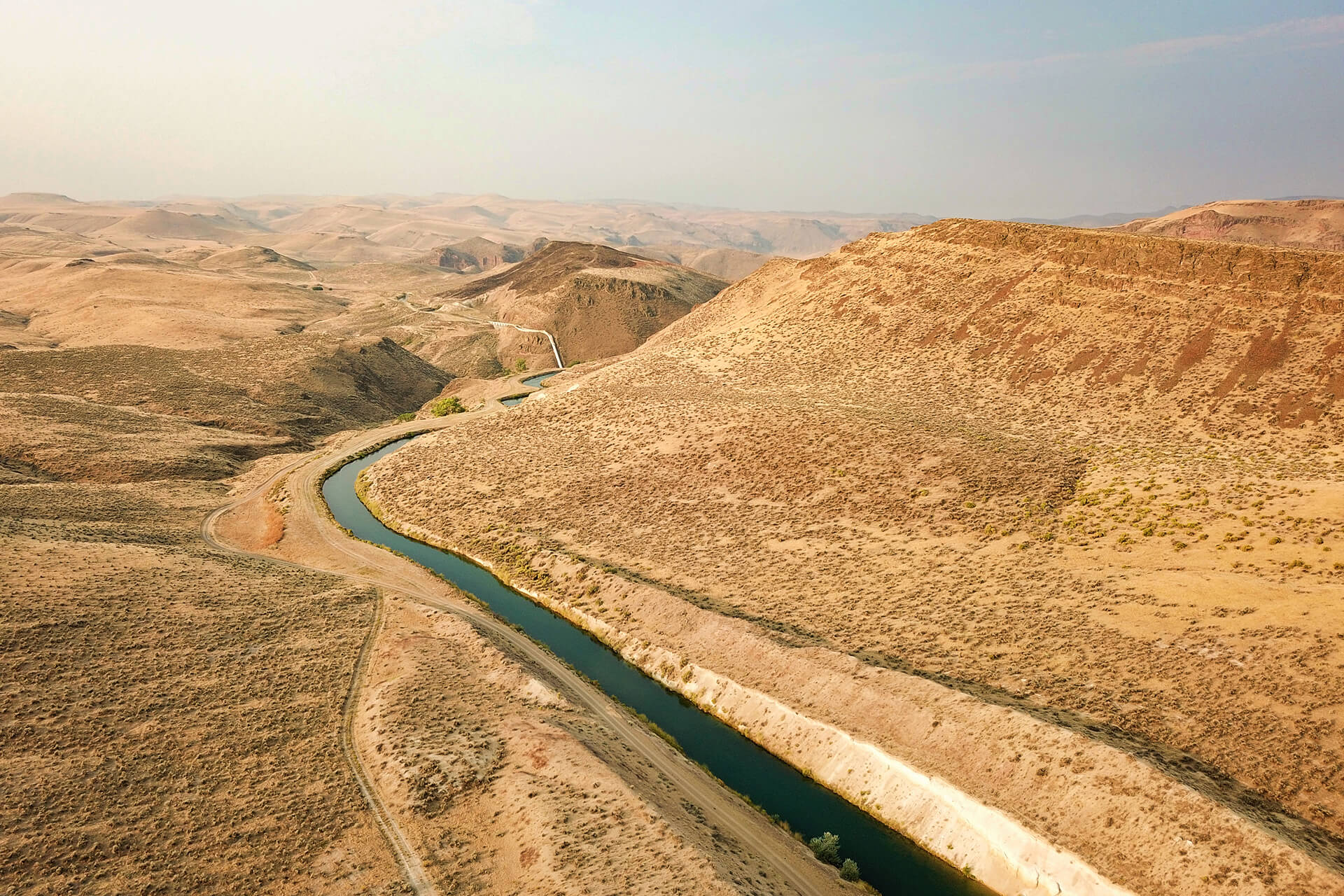
Irrigation modernization increases available water by reducing losses in aging delivery systems.

Water quantity benefits come from reducing losses that occur in aging delivery systems—like seepage, spills, and inefficient operations. When water is conserved through modernization, it can support multiple objectives, including improved water management, increased reliability, and broader environmental or community outcomes.
What it is

Saving water in a delivery system benefits farms, communities, and the environment.

Making improvements to manage water as efficiently as possible, such as installing supervisory control and data acquisition systems (SCADA), lining canals or installing pressurized pipelines, or developing operations plans can improve irrigation deliveries while reducing diversions from rivers and streams.